Few pieces of kayaking gear generate as much genuine disagreement among experienced paddlers as the paddle leash. Ask ten seasoned kayakers whether to use one and the answers split sharply. Some consider a leash essential safety equipment that has saved their life. Others consider it a genuine entanglement hazard that creates more risk than it solves.
Both positions are correct, depending on the type of paddling, the conditions, and the paddler’s specific rescue technique. This guide covers what a paddle leash actually does, the legitimate risks involved, the alternatives experienced paddlers use instead, and how to decide what is right for your own paddling.
Why Losing Your Paddle Is More Dangerous Than It Sounds
A capsize on calm, sheltered water with a paddle that drifts a metre away is an inconvenience. The same capsize in wind, waves, or current can become a genuine emergency within seconds.
Wind pushes a floating paddle and an empty kayak at very different speeds. A paddle is small, low profile, and largely submerged, so wind affects it relatively little. A kayak, however, sits higher in the water and catches significantly more wind. In any meaningful breeze, an empty kayak can move away from a swimming paddler faster than the paddler can swim, and the gap widens every second.
This is the scenario described by paddlers who have experienced it firsthand: even with a companion holding the kayak steady, closing the gap to retrieve a paddle or reach the boat again proved impossible without outside help. In open water away from immediate assistance, this situation has contributed to real fatalities, where the kayak is later found but the paddler is not.
The practical lesson is that staying connected to your kayak matters more than staying connected to your paddle, though ideally a paddler manages to maintain contact with both.
What a Paddle Leash Does
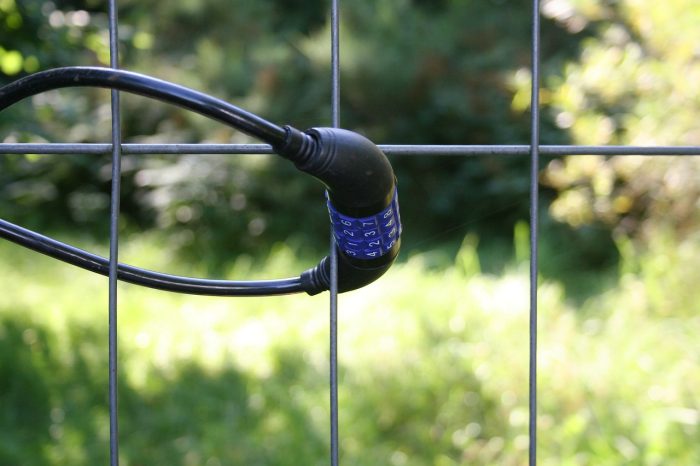
A paddle leash is a length of cord, usually with some stretch or float built in, that connects the paddle shaft to either the paddler or the kayak. The purpose is straightforward: if the paddle is dropped or pulled away during a capsize, rescue, or rough water event, it remains attached and recoverable rather than drifting off on its own.
There are two common configurations:
Paddle leashed to the paddler – The leash attaches to a wrist, the PFD, or a waist belt. This keeps the paddle with the swimmer regardless of what happens to the kayak. Some paddlers prefer this because it means the paddle is always within reach during a swim, even if the kayak gets away.
Paddle leashed to the kayak – The leash attaches to a deck fitting or, as one experienced paddler in the kayaking community described, threaded through the spray skirt pull handle. This keeps the paddle with the boat. If the paddler maintains contact with the kayak, the paddle stays accessible too.
Neither configuration is universally correct. The right choice depends on paddling style, conditions, and how the paddler approaches self-rescue.
A reliable, affordable option many paddlers use is the OCEANBROAD Kayak Paddle Leash, a stretchable coiled strap rated highly by paddlers for its durability and simple carabiner attachment. Its a low-cost way to test whether a leash suits your paddling style before investing in a premium version.
The Case For Using a Paddle Leash
Prevents permanent loss in rough conditions – In wind, waves, or current, a paddle that comes free is genuinely difficult to recover. A leash removes this risk entirely.
Particularly valuable for solo paddlers – Solo paddlers cannot rely on a companion to retrieve a drifting paddle. For paddlers who frequently paddle alone, particularly in open water or remote areas, a leash is widely recommended by experienced solo kayakers as essential equipment.
Keeps both hands free during a rescue – With the paddle securely leashed, a paddler can focus both hands on the kayak during a re-entry or self-rescue without needing to also manage holding onto the paddle.
Doubles as a useful tool – A leashed paddle can be used for towing, signalling, or as an improvised pole for shallow water without fear of losing it.
The Case Against Using a Paddle Leash
Entanglement risk during capsize and rescue – This is the most significant and most frequently raised concern among experienced paddlers. During a capsize, particularly in surf or whitewater, a floating leash can wrap around an arm, leg, or neck. During a re-entry where the paddler is climbing onto the back deck or scrambling aboard, a leash can create a loop that snags on the paddle or traps the paddler against the hull.
Higher risk for rolling and whitewater paddlers – Paddlers who roll regularly or paddle in whitewater face a substantially higher entanglement risk than flatwater touring paddlers. Many whitewater paddling guides actively recommend against leashes for this reason.
Can complicate rather than simplify a rescue – A tangled leash during an already stressful capsize can turn a routine wet exit into a more complicated situation, particularly for less experienced paddlers who have not specifically practised rescues with a leash attached.
Requires a cutting tool as a backup – Paddlers who do use a leash are often advised to carry a knife specifically to cut the leash free in the event of entanglement. This adds another piece of safety equipment and another skill that needs to be practised under pressure.
Alternatives to a Paddle Leash
Several experienced paddlers manage paddle security without a leash at all, using technique rather than equipment.
The contact rule – Maintain a firm grip on the paddle shaft throughout a wet exit. One hand stays on the paddle while the other releases the spray skirt and exits the cockpit. This requires practice but avoids any entanglement risk entirely.
Keep a leg in the cockpit during exit – Some paddlers exit a capsized kayak while keeping one leg inside the cockpit until they have a firm hold on the cockpit rim with the other hand. This maintains contact with the kayak throughout the exit and reduces the chance of becoming separated from the boat.
Tuck the paddle under deck bungees – During a self-rescue, the paddle can be temporarily tucked securely under the kayak’s deck lines or bungees, keeping it stowed and out of the way while both hands are needed for the re-entry itself.
Carry a spare or breakdown paddle – Many touring and sea kayakers carry a breakdown paddle strapped securely to the front deck specifically for situations where the primary paddle is lost or damaged. Several experienced paddlers note that a spare paddle should be just as good as the primary paddle, since it will likely be needed in testing conditions rather than calm ones.
A telescoping option like the Attwood Emergency Telescoping Paddle, rated highly by thousands of boaters and paddlers, packs down small enough to strap securely to a front deck without getting in the way. It will not match the performance of a primary paddle but provides genuine peace of mind as a backup if the main paddle is lost or damaged.
Read: Best Kayak Paddles
What Matters More Than the Paddle: Staying With the Kayak
Several experienced paddlers point out an important distinction that is easy to overlook in the heat of a real incident. Losing a paddle is inconvenient. Losing the kayak itself, particularly in any meaningful wind, is significantly more dangerous, because the empty kayak will be pushed away faster than a swimmer can follow.
The priority in any capsize is to maintain contact with the kayak first. A swimmer with a paddle but no kayak still has a serious problem. A swimmer holding onto their kayak, even without a paddle, is generally in a far more recoverable situation.
This is why some paddlers use a leg leash or waist leash connecting them to the kayak itself, separate from any paddle leash, specifically to address this risk.
Other Self-Rescue Tools Worth Considering
Rescue stirrups – A rescue stirrup is a loop, often made from webbing, that hangs below the cockpit and gives a swimming paddler a foothold to step up and climb back into the kayak. Several experienced paddlers note that stirrups are rarely demonstrated in popular rescue tutorials despite being faster and more accessible for paddlers of varying strength and ability than a scramble or paddle float re-entry alone.
Inflatable paddle float – A paddle float attaches to one blade of the paddle and, once inflated, turns the paddle into an outrigger that stabilises the kayak during a re-entry. This is the most widely taught self-rescue method but takes practice, particularly the time required to extract and inflate the float in rough conditions.
A reliable option many paddlers use is the HEYTUR Inflatable Paddle Float, a dedicated floating bag designed specifically for paddle float self-rescue. It attaches securely to one blade and inflates quickly by mouth, turning the paddle into a stable outrigger during a re-entry. It is a worthwhile investment for any paddler who ventures beyond sheltered, easily-reached water.
Practising rescues in realistic conditions – Several experienced paddlers emphasise that self-rescue technique should be practised in conditions similar to what might actually be encountered, including some wind and waves, rather than only on calm, flat water. A rescue that works easily in a calm pool may behave very differently in active water.
Read: Best GPS Trackers for Kayaks
How to Decide What Is Right for Your Paddling
Flatwater recreational paddling close to shore – A paddle leash carries relatively low risk in this context and provides a simple safety net. Either a leash or careful technique without one is reasonable.
Open water, coastal, or solo paddling – A leash, or at minimum a plan for staying with the kayak through technique alone, is strongly recommended given how quickly separation can become dangerous in wind and waves.
Whitewater or paddlers who roll frequently – The entanglement risk is significantly higher in these contexts. Many experienced whitewater paddlers avoid leashes entirely and rely on technique, deck bungee stowage, and a secured spare paddle instead.
Solo paddlers in any setting – Without a companion to assist, maintaining contact with both the kayak and the paddle is critical. A leash, careful technique, or both should be a deliberate part of every solo paddling plan.
Practising Before You Need It
Whichever approach is chosen, the single most valuable safety action is practising self-rescue, with and without a leash, in conditions that are reasonably representative of real paddling rather than only on calm water. Several experienced paddlers in the kayaking community specifically credit practice in waves and wind, rather than the equipment itself, as the deciding factor in whether a real incident is handled safely.
If choosing to use a leash, practise the specific rescue technique with the leash attached so any entanglement risk is understood and managed before it matters. If choosing not to use a leash, practise maintaining a firm grip on the paddle throughout a wet exit until it becomes automatic.
Frequently Asked Questions (FAQs)
Should I use a paddle leash when kayaking?
It depends on the type of paddling. For flatwater recreational paddling, open water touring, and solo paddling, a leash is widely recommended by experienced paddlers as valuable safety equipment. For whitewater paddling and paddlers who roll frequently, many experienced paddlers avoid leashes due to entanglement risk and rely on technique instead.
What is the entanglement risk with a paddle leash?
During a capsize or re-entry, a floating leash can wrap around an arm, leg, or neck, or create a loop that snags on the paddle or traps the paddler against the kayak. This risk is higher in surf and whitewater than in calm flatwater conditions. Paddlers who use a leash are often advised to carry a knife to cut it free if needed.
Should I leash the paddle to myself or to the kayak?
Both approaches are used by experienced paddlers. Leashing to yourself keeps the paddle with you even if the kayak gets away. Leashing to the kayak, sometimes through a deck fitting or the spray skirt pull handle, keeps the paddle with the boat provided you maintain contact with the kayak. Neither is universally correct and the choice depends on personal preference and paddling style.
What is more important to hold onto in a capsize, the paddle or the kayak?
The kayak. Wind pushes an empty kayak away from a swimmer significantly faster than it affects a paddle, and a kayak that gets away in any meaningful wind can become impossible to catch by swimming. The priority in any capsize should be maintaining contact with the kayak first.
What are the alternatives to using a paddle leash?
Maintaining a firm grip on the paddle throughout a wet exit, tucking the paddle securely under deck bungees during a re-entry, and carrying a strapped-down spare or breakdown paddle are all techniques experienced paddlers use instead of, or alongside, a leash.
Do I need a spare paddle if I use a leash?
Many experienced touring and sea kayakers carry a spare paddle regardless of whether they use a leash, since a leash does not protect against a paddle breaking. A spare paddle should be as capable as the primary paddle since it is most likely to be needed in challenging conditions.
Final Thoughts
The paddle leash debate does not have a single correct answer. What matters is understanding the genuine trade-offs, choosing an approach that suits the type of paddling actually being done, and practising that approach under realistic conditions before it is needed in an emergency.
For most flatwater, touring, and solo paddlers, a paddle leash combined with practised rescue technique provides a reasonable safety margin. For whitewater and paddlers who roll frequently, technique-based alternatives without a leash may be the safer choice. In every case, maintaining contact with the kayak itself matters more than the paddle, and a wind-affected kayak can separate from a swimmer faster than most paddlers expect.
For more on kayaking safety, read our guides on is kayaking dangerous and how to get in and out of a kayak.