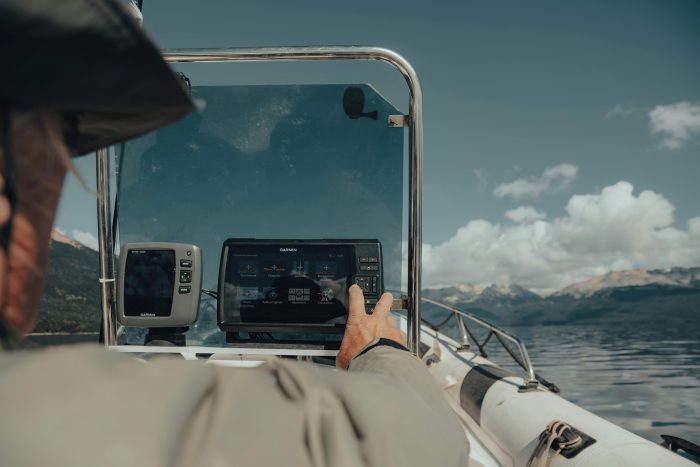
The right footwear makes a real difference to your comfort and safety on the water. Kayaking shoes protect your feet from rocks and cold water when launching and landing, provide grip on wet surfaces, and keep your feet warm in cold conditions.
There are three main types to choose from: water shoes, neoprene boots, and water sandals, each suited to different conditions and paddling styles. We’ve reviewed 6 of the best kayaking shoes across all three categories to help you find the right pair.
1. Merrell Mens All Out Blaze Aero Sport Water Shoe – Best Overall
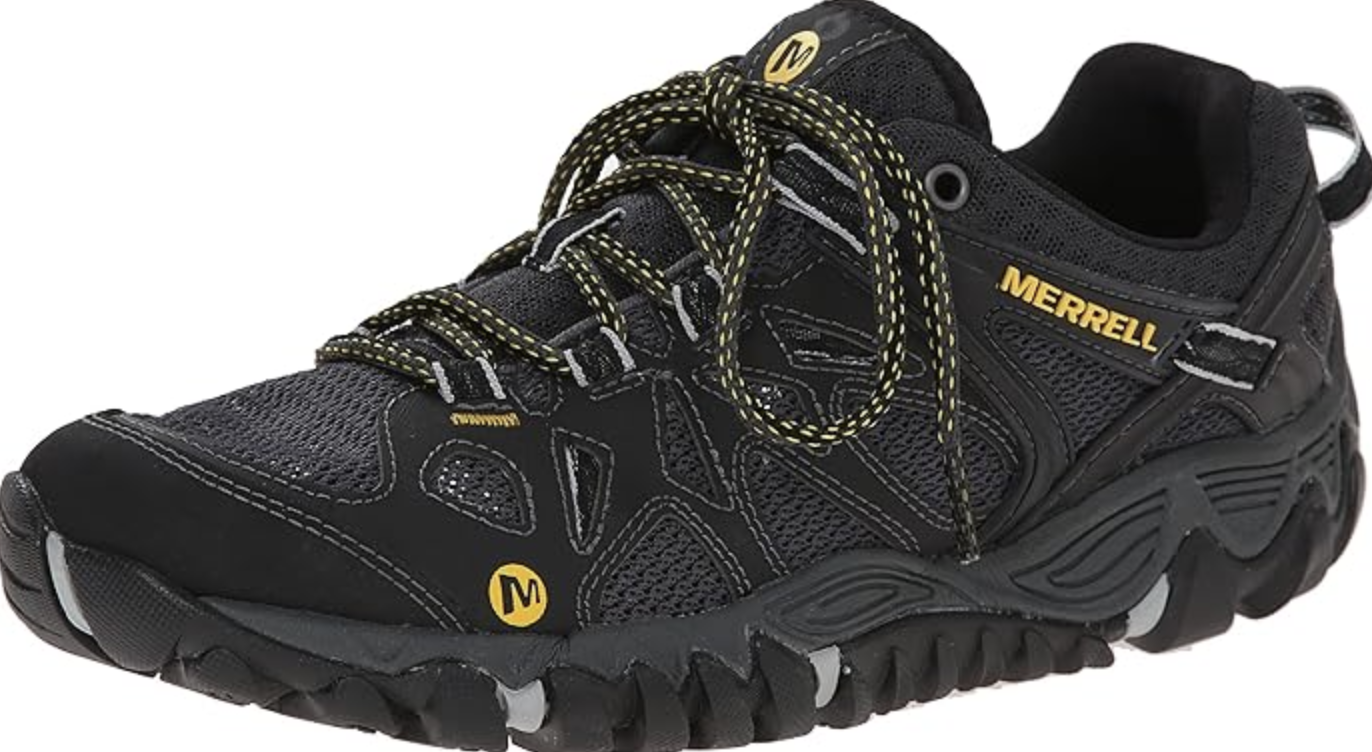
The Merrell All Out Blaze is our top pick for an all-round kayaking shoe. The synthetic mesh construction is lightweight and breathable, while the Vibram outsole provides excellent traction on wet rocks and slippery surfaces. A TPU heel counter adds stability and support on uneven terrain.
The Merrell-fit lacing system gives a precise, secure fit, and the bellows tongue keeps debris out. Suitable for both on and off the water, this shoe works well for paddlers who need to hike between launch points or walk along rocky shorelines.
What We Liked
- Vibram outsole for excellent wet traction
- Lightweight and breathable mesh construction
- Merrell-fit lacing for precise fit
- Versatile on and off the water
What We Didn’t Like
- Higher price point
2. NRS Boundary Boots – Best For Cold Water
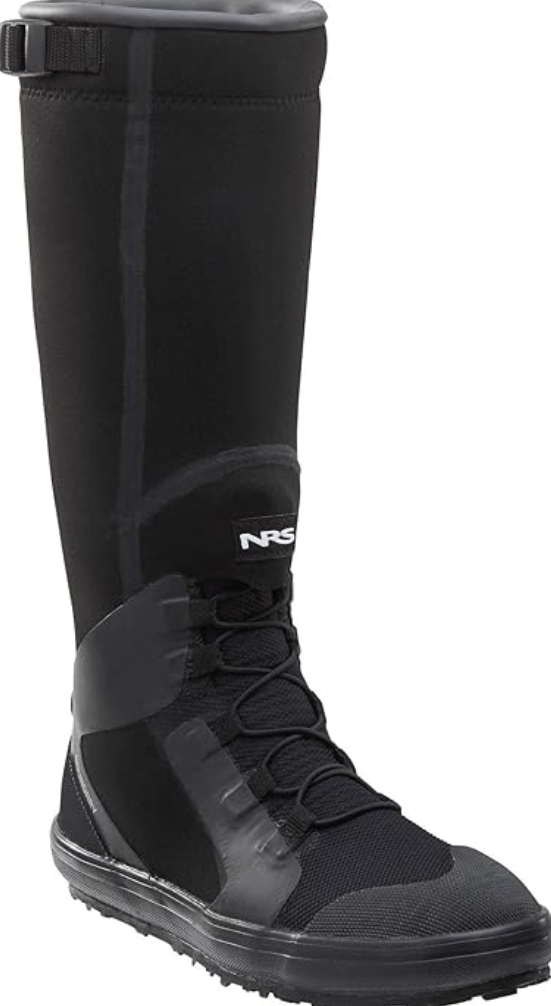
The NRS Boundary Boots are the premium choice for cold water paddling. The 7mm neoprene upper provides serious insulation and keeps feet warm in chilly conditions, while the knee-high design prevents water from entering at the top. A liquid-sealed exterior adds an extra layer of waterproofing.
The quick-lace system allows easy size customisation, and a cord lock at the ankle secures the fit. The heavy-duty rubber sole provides reliable traction on wet and rocky terrain. A serious boot for serious cold water paddlers.
What We Liked
- 7mm neoprene for maximum insulation
- Knee-high waterproof design
- Quick-lace system for easy adjustment
- Heavy-duty rubber sole
What We Didn’t Like
- Premium price point
3. Chaco Men’s Z2 Classic Sport – Best Sandal
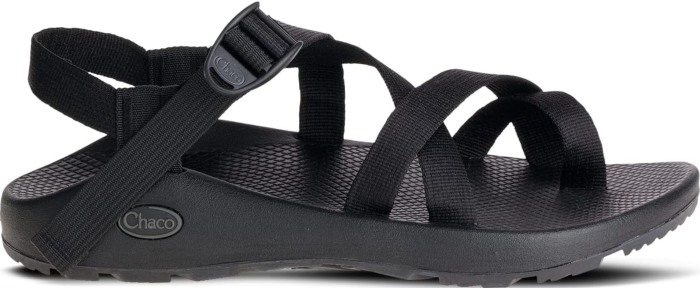
The Chaco Z2 is the go-to choice for warm weather paddling where breathability matters more than insulation. The fully adjustable polyester jacquard straps provide a secure fit even in rough conditions, and the 3.5mm rubber lug sole delivers solid traction on wet surfaces.
The podiatrist-certified footbed provides all-day comfort and arch support, making this sandal equally suited to hiking between paddle sessions. The open design keeps feet cool and drains water quickly. Note that the sandal style offers no insulation, so it is best suited to warmer conditions.
What We Liked
- Fully adjustable straps for secure fit
- 3.5mm rubber lug sole
- Podiatrist-certified footbed
- Suitable for hiking and walking
What We Didn’t Like
- Not suitable for cold water
- Open toe offers no foot protection
4. Neo Sport Wetsuits Neoprene Low Top Pull On Boot – Best Mid-Range Neoprene Boot
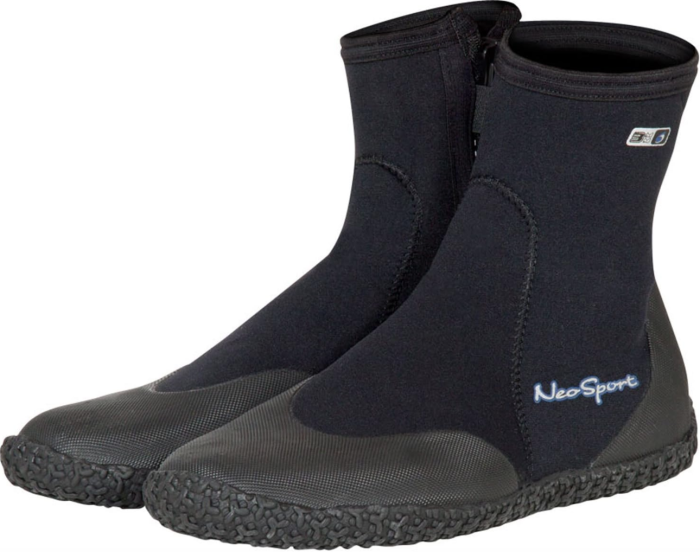
The NeoSport 5mm Low Top Boot is a solid mid-range option for paddlers who want neoprene insulation without the bulk of a knee-high boot. The ankle-high design provides support and warmth while remaining lightweight and easy to wear. Glued and stitched seams enhance waterproofing and durability.
The non-marking synthetic sole provides reliable traction on wet surfaces, and the elastic construction gives a comfortable slip-on fit. Available in both men’s and women’s sizing, this is a versatile boot for moderate to cold water conditions.
What We Liked
- 5mm neoprene insulation
- Glued and stitched seams for durability
- Non-marking synthetic sole
- Available in men’s and women’s sizing
What We Didn’t Like
- Limited breathability in warm conditions
5. ALEADER Men’s Mesh Slip On Water Shoes – Best Budget Option
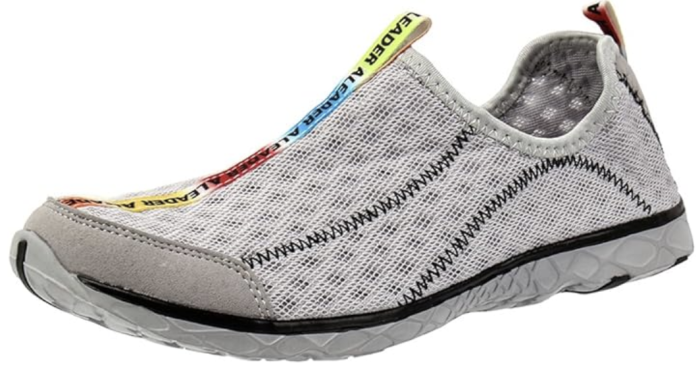
The Aleader Mesh is the best value option on this list. The air mesh upper is exceptionally breathable and lightweight, and the water grip outsole provides solid traction on wet and slippery surfaces. The slip-on design makes them quick to get on and off at the water’s edge.
A soft EVA midsole adds cushioning and support underfoot. These shoes are best suited to warm water conditions as they offer minimal insulation. For recreational paddlers who want a simple, affordable shoe for summer paddling, the Aleader Mesh is hard to beat.
What We Liked
- Excellent value
- Breathable air mesh construction
- Water grip outsole
- Easy slip-on entry
What We Didn’t Like
- Not suitable for cold water
- No size adjustability
6. NRS Women’s Paddle Wetshoe – Best Neoprene Shoe
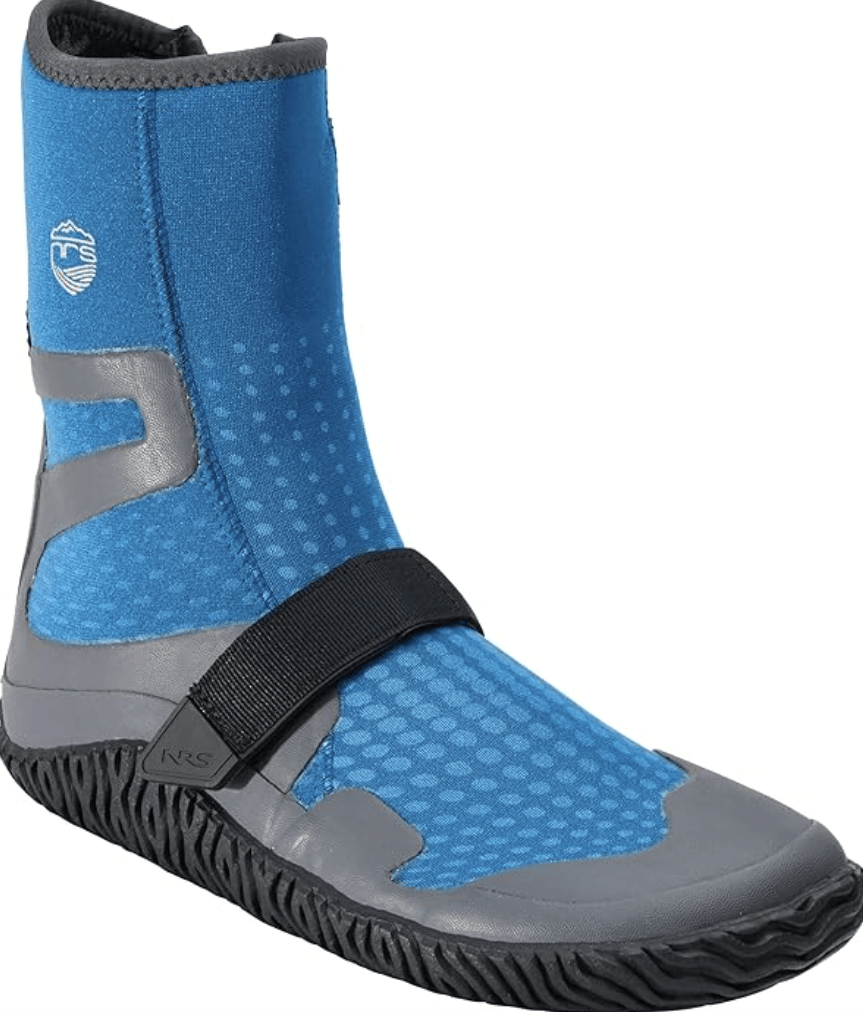
The NRS Women’s Paddle Wetshoe is purpose-built for female kayakers and designed to perform across a range of temperatures. The 3mm neoprene-terraprene upper repels water and mud while a titanium layer retains heat, keeping feet warm in cold conditions.
The outsole wraps around the toes and heel for extra protection and cushioning, and the highly flexible synthetic rubber provides excellent traction on wet surfaces. A heavy-duty side zipper makes the shoe easy to put on and remove. A well-considered, high-quality shoe for women who paddle regularly.
What We Liked
- Purpose-built for women
- Titanium heat barrier layer
- Wraparound outsole for extra protection
- Heavy-duty side zipper
What We Didn’t Like
- Higher price point
How to Choose Kayaking Shoes
Type of shoe
The three main types of kayaking footwear are water shoes, neoprene boots, and water sandals. Water shoes are the most versatile, suitable for warm to moderate conditions. Neoprene boots provide insulation for cold water paddling. Water sandals are the most breathable option, best suited to warm weather and calm water.
Water temperature
Water temperature is the most important factor in choosing kayaking footwear. In cold water, look for neoprene boots with a thickness of 5mm or more. In moderate conditions, a 3mm neoprene shoe or boot is sufficient. In warm conditions, a breathable mesh water shoe or sandal is the most comfortable choice.
Sole type
A rubber or synthetic outsole with good traction is essential for kayaking. You need grip when launching and landing on wet rocks, sand, and slippery surfaces. Avoid thin-soled booties for rocky terrain as they offer limited underfoot protection.
Fit and height
Low cut shoes are best for warm conditions as they allow good drainage and airflow. Ankle-high shoes provide extra support and are the most versatile option. Knee-high boots offer the best cold water protection but are bulkier and less suitable for hiking.
Closure system
Lace-up shoes give the most precise fit. Slip-on designs are quicker to get on and off at the water’s edge. Velcro and strap systems offer a middle ground between convenience and adjustability.
Frequently Asked Questions (FAQs)
How do I keep my feet dry when kayaking?
Wear neoprene boots or shoes with glued and stitched seams, which provide the best waterproofing. Pairing neoprene footwear with wool or synthetic socks adds an extra layer of insulation and moisture management.
How do I keep my feet warm in a kayak?
Choose neoprene footwear with a thickness matched to the water temperature. A 3mm boot suits moderate conditions, while 5mm or 7mm is recommended for cold water. Avoid cotton socks as they retain moisture and accelerate heat loss.
Can you wear running shoes for kayaking?
Running shoes can work in warm, calm conditions but are not ideal. They take a long time to dry, offer limited grip on wet surfaces, and can become heavy and uncomfortable when waterlogged. A dedicated water shoe is a better investment.
Are Crocs good for kayaking?
Crocs work well for casual warm weather paddling on calm water. They are comfortable, drain quickly, and float if they come off your feet. They are not suitable for cold water or conditions where you need ankle support and secure footing.
Do you need shoes to kayak?
Shoes are not mandatory but are strongly recommended. Proper kayaking footwear protects your feet from sharp rocks and debris when launching and landing, provides grip on wet surfaces, and keeps your feet warm in cold conditions.
What is the difference between water shoes and water sandals?
Water shoes provide more coverage and protection, making them better for rocky terrain and cold water. Water sandals are more breathable and better suited to warm conditions where foot coverage is less important. Both drain quickly and are designed for use in and around water.
Final Thoughts
The right kayaking shoe depends on where and when you paddle. For warm weather recreational paddling, the Aleader Mesh is our budget pick and the Merrell All Out Blaze is the best all-round option. For cold water, the NRS Boundary Boots offer the best protection. For women, the NRS Women’s Paddle Wetshoe is a purpose-built option worth the investment.
If you paddle in warm conditions and want maximum breathability, a water sandal like the Chaco Z2 is a practical and comfortable alternative to a full shoe.
For more on kayaking gear, read our guides on kayaking in the rain and best kayaking gloves.