Kayaking is one of the most enjoyable forms of exercise available. It works multiple muscle groups simultaneously, provides meaningful cardiovascular exercise, and offers the mental health benefits of time spent outdoors on the water.
Here are 10 genuine health benefits of kayaking backed by what we know about exercise science and outdoor activity.
1. Full Body Muscular Workout
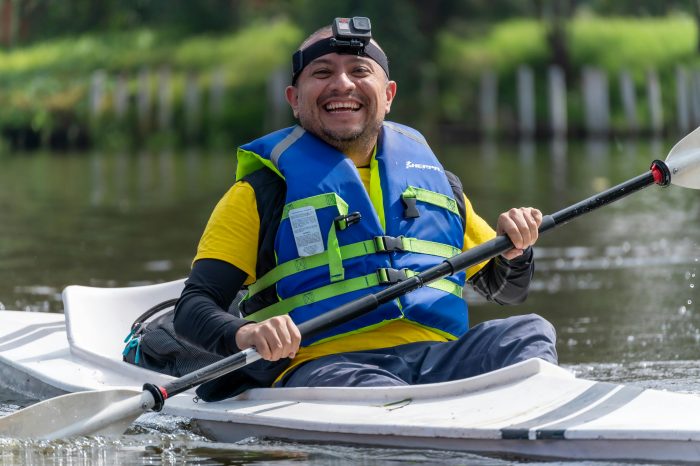
Kayaking works the core, back, shoulders, arms, and chest simultaneously. The forward paddling stroke is driven primarily by core rotation and back muscles rather than arm strength alone, which means regular paddling builds functional strength across the upper body.
Over a full session, the legs also contribute to bracing and balance, making kayaking a more complete workout than it appears from the outside.
Read: What Muscles Does Kayaking Work?
2. Cardiovascular Fitness
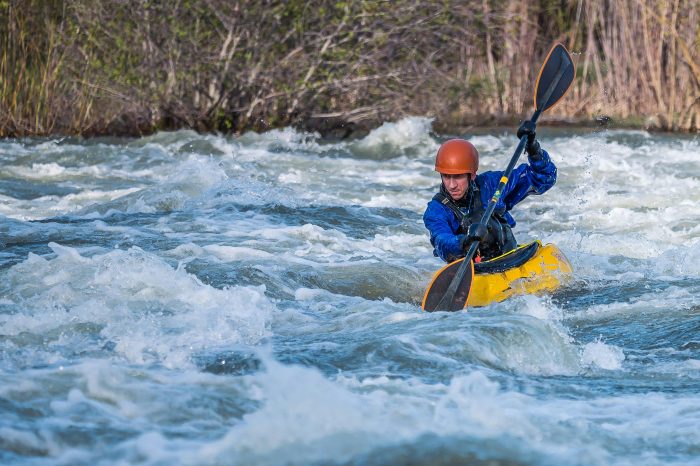
Kayaking is an aerobic exercise that elevates heart rate and improves cardiovascular fitness over time. Moderate recreational paddling produces a heart rate similar to brisk walking or light cycling. More intense paddling in current or against wind produces a more demanding cardiovascular workout.
Regular aerobic exercise reduces the risk of heart disease, improves blood pressure, and increases aerobic capacity.
3. Calorie Burn and Weight Management
Recreational kayaking burns approximately 280 to 455 calories (1,170 to 1,905 kilojoules) per hour depending on body weight and paddling intensity. A full day of touring paddling can burn 1,500 calories (6,280 kilojoules) or more.
The enjoyable nature of kayaking makes it easier to sustain than gym-based exercise, which is an important practical advantage for long-term weight management.
Read: How Many Calories Does Kayaking Burn?
4. Improved Mental Health
Time spent on the water in a natural environment has well-documented benefits for mental health. Physical exercise releases endorphins and serotonin, which improve mood and reduce anxiety. The combination of exercise, nature exposure, and focus required for paddling provides a meaningful break from screens, work, and daily stress.
Regular outdoor physical activity is associated with reduced symptoms of anxiety and depression.
5. Low Impact on Joints
Unlike running and many gym-based exercises, kayaking places very little impact stress on the joints. The paddling motion is smooth and repetitive, making kayaking accessible to people with knee, hip, or ankle issues who cannot tolerate high-impact exercise.
The low-impact nature of kayaking also makes it suitable as a recovery activity between more intense training sessions.
6. Improved Core Strength and Stability
Efficient paddling requires constant core engagement for balance, rotation, and power transfer. Regular kayaking builds core strength progressively as your technique improves and sessions lengthen. A strong core reduces the risk of back pain and improves posture in everyday life.
7. Improved Balance and Coordination
Maintaining stability in a kayak requires constant small adjustments from your core and lower body. Over time, regular paddling improves balance and proprioception. These improvements transfer to other physical activities and become increasingly valuable with age.
8. Access to Nature and Exploration
Kayaking provides access to waterways, coastlines, and natural environments that are inaccessible on foot or by vehicle. Paddling through quiet rivers, lakes, and estuaries provides a connection to nature that has its own distinct mental health benefits beyond the exercise itself.
Many paddlers find that the combination of physical activity and natural environment makes kayaking feel less like exercise and more like recreation, which makes it easier to maintain as a regular habit.
9. Social Connection
Kayaking works equally well as a solo activity or a group one. Paddling clubs and guided tours are accessible in most regions, providing an opportunity to meet other paddlers and build social connections around a shared interest. Social connection is one of the most consistently identified factors in long-term physical and mental wellbeing.
10. Accessible to All Ages and Fitness Levels
Kayaking is genuinely accessible to people of a wide range of ages and fitness levels. The intensity can be adjusted simply by paddling harder or more slowly, and the equipment can be adapted to suit different physical needs. Many people take up kayaking in their 50s, 60s, and beyond as a sustainable long-term activity.
Read: Kayaking With Kids
Final Thoughts
Kayaking offers a combination of physical and mental health benefits that few other activities match. It works multiple muscle groups, provides cardiovascular exercise, burns meaningful calories, and delivers the mental health benefits of regular time outdoors in a natural environment.
For more on getting started, read our guides on how hard is kayaking and what size kayak do I need.