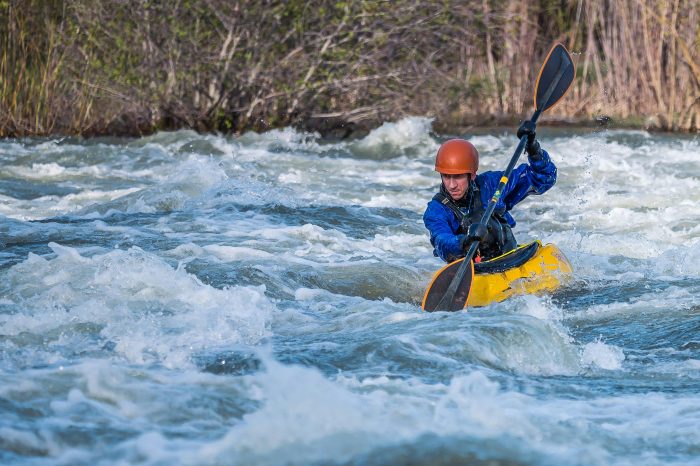
Kayaking with osteoporosis is entirely possible for many people and can be a genuinely valuable form of low-impact physical activity. The seated paddling position, the gentle upper body exercise, and the calming environment of being on the water make kayaking well suited to people managing osteoporosis who want to stay active without the high fracture risk of impact-based activities.
The key considerations for kayaking with osteoporosis centre on fall prevention during entry and exit, choosing the right equipment, and understanding which aspects of paddling require extra care when bone density is reduced.
This guide covers the specific safety considerations, practical adaptations, and equipment choices that make kayaking with osteoporosis safe and sustainable.
Medical disclaimer: This article is intended as practical paddling advice. It is not a substitute for medical advice. Always consult your doctor before kayaking with osteoporosis, particularly if you have had a recent fracture or have been advised to avoid certain movements or activities. Follow their specific guidance on physical activity and fall prevention.
Why Kayaking Suits People With Osteoporosis
Low fracture risk during paddling – The seated paddling position on calm water is a low-impact activity that places minimal fracture risk on the spine, hips, and wrists compared to activities involving falls, impacts, or heavy loading. The forward paddle stroke does not involve the jarring impact of running, the twisting loads of racquet sports, or the heavy compressive forces of weightlifting.
Gentle weight-bearing exercise for bone health – While kayaking is primarily an upper body activity, the seated posture requires trunk muscle activation that provides gentle loading to the thoracic and lumbar spine. Regular gentle exercise that loads the bones is beneficial for bone density maintenance. Kayaking contributes to overall physical activity levels that support bone health alongside other recommended activities.
Balance and strength benefits – Regular kayaking builds core strength, upper body strength, and balance over time. Improved strength and balance reduce fall risk in daily life which is one of the most important goals of osteoporosis management. The balance demands of maintaining a stable paddling position on the water provide gentle proprioceptive training that complements land-based fall prevention programmes.
Mental health and social benefits – The mental health benefits of regular physical activity and time in nature are well documented for people managing chronic conditions. For older adults with osteoporosis who may have reduced their activity levels due to fear of falling, kayaking provides a form of regular outdoor activity that is genuinely accessible and enjoyable.
The Main Risk: Falls During Entry and Exit
The most significant fracture risk in kayaking with osteoporosis is not the paddle stroke itself but falling during entry and exit. A fall onto a hard surface during launch or retrieval carries a significant fracture risk for someone with reduced bone density, particularly at the hip, wrist, and spine.
Managing entry and exit safely is the most important practical consideration for kayaking with osteoporosis.
Choose a gradual sandy beach entry – A gradual sandy beach where the kayak sits in very shallow water and you can lower yourself onto the seat without significant bending, twisting, or balance challenges is the safest entry point. Sandy surfaces are more forgiving than concrete, rocks, or wooden docks if a stumble occurs.
Avoid steep banks, rocky shores, slippery docks, and any surface where the footing is uncertain. These environments present unacceptable fall risk for someone managing osteoporosis.
Use the paddle brace method – The paddle brace method creates a stable support point during entry and exit that significantly reduces fall risk. Place the paddle perpendicular to the kayak with the blade on the shore and the shaft across the cockpit rim. Grip the paddle shaft and cockpit rim together and use the brace for support throughout the entry and exit process.
Have a companion assist – A companion who holds the kayak steady and provides a physical support point during entry and exit reduces fall risk significantly. Never attempt a solo entry or exit on an uncertain surface with osteoporosis.
Wear appropriate footwear – Wear water shoes or neoprene boots with good grip on wet surfaces. Bare feet or smooth-soled footwear on a wet beach or dock are a significant slip hazard. Good footwear is one of the simplest and most effective fall prevention measures for water activities.
Read: Best Kayaking Shoes
Take all the time you need – Move slowly and deliberately during every entry and exit. Rushed movements on wet, uneven, or unfamiliar surfaces increase fall risk significantly. Read: How to Get In and Out of a Kayak.
Spinal Considerations for Kayaking With Osteoporosis
Vertebral fractures are the most common osteoporotic fracture and the spine requires specific consideration in the context of kayaking.
Avoid excessive spinal flexion – Forward bending of the spine under load is a known risk for vertebral compression fractures in people with osteoporosis. The forward paddle stroke involves some degree of trunk forward lean and rotation. For most people with osteoporosis this level of movement is acceptable, but people with significant spinal osteoporosis or a history of vertebral fractures should discuss the specific spinal loading of kayaking with their doctor or physiotherapist before paddling.
Maintain good paddling posture – Sit tall in the kayak seat with the spine in a neutral position rather than slumped forward. A slumped posture increases spinal flexion loading during the paddle stroke. A well-padded seat with good lumbar support promotes neutral spinal posture throughout the session.
Avoid heavy lifting – Lifting and carrying a heavy kayak to and from the water involves significant spinal loading that is inappropriate for people with spinal osteoporosis. Use a kayak cart for transport and choose a lightweight kayak to minimise the lifting required.
Read: Best Kayak Seats
Wrist and Hip Considerations
Wrist protection – Wrist fractures are common in osteoporosis, typically occurring when falling onto an outstretched hand. During paddling the wrists are involved in every stroke. A lightweight paddle reduces the force transmitted through the wrists per stroke. Wrist guards or neoprene wrist supports provide additional protection and warmth for paddlers with significant wrist osteoporosis.
Read: Best Kayaking Gloves — gloves provide warmth and additional wrist support during paddling.
Hip protection – Hip fractures are the most serious osteoporotic fracture and the most common cause of osteoporosis-related disability. The main hip fracture risk in kayaking is a fall during entry and exit rather than anything that happens during the paddle. All of the entry and exit precautions described above directly reduce hip fracture risk.
Hip protector garments, padded shorts designed to absorb impact over the hip, are used by some people with significant osteoporosis in higher-risk situations. Whether these are appropriate for kayaking is a matter to discuss with your doctor.
Medication Considerations for Kayaking With Osteoporosis
Many people with osteoporosis take medications that have considerations relevant to outdoor water activities.
Balance effects – Some medications used to treat osteoporosis and related conditions can affect balance or cause dizziness as side effects. If your medication affects balance, extra care during entry and exit and a companion for every paddle are particularly important.
Sun sensitivity – Some medications increase sensitivity to sunlight. Apply high-factor sunscreen before every paddle, wear UV-protective clothing, and wear a hat with a brim.
Calcium and vitamin D – Regular physical activity supports the effectiveness of calcium and vitamin D supplementation in maintaining bone density. Kayaking contributes to the overall physical activity levels that support bone health alongside your prescribed treatment.
Discuss the specific implications of your osteoporosis medication for outdoor physical activity with your doctor or pharmacist before paddling.
Choosing the Right Kayak for Osteoporosis
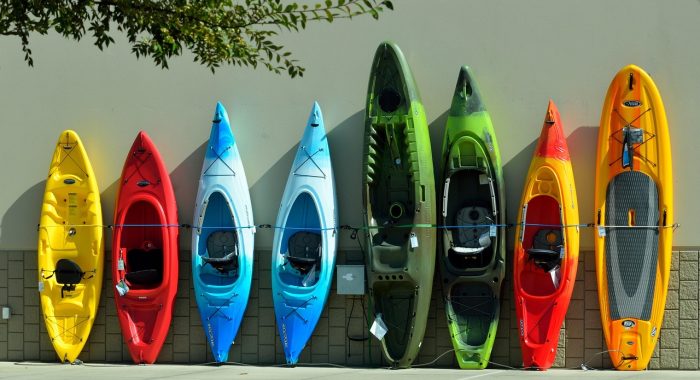
Wide, stable sit-on-top kayak – A wide, stable sit-on-top kayak is strongly recommended for paddlers with osteoporosis. The wide hull provides maximum stability on the water reducing the risk of a capsize, the open deck makes entry and exit easier than a sit-inside design requiring less bending and twisting, and the self-draining design means water on the deck drains away without requiring action.
Lightweight kayak – Choose the lightest kayak practical for your needs. A lighter kayak requires less effort and spinal loading to carry and launch. Combined with a kayak cart, a lightweight kayak minimises the physical demands of getting to and from the water.
Inflatable kayak – An inflatable kayak is a particularly practical option for people with osteoporosis. It can be transported in a bag rather than lifted onto a roof rack, set up close to the water’s edge, and handled without the heavy lifting of a hardshell kayak. Read: Best Inflatable Kayaks Under USD$500.
Read: Best Kayak Carts and Trolleys — a cart is particularly valuable for osteoporosis, removing the need to carry the kayak entirely.
Well-padded seat with lumbar support – A well-padded seat with proper lumbar support is essential for maintaining neutral spinal posture during the paddle. An aftermarket seat with adjustable back support promotes good posture and reduces spinal loading throughout the session.
Safety Considerations
Always paddle with a companion – Paddling alone with osteoporosis is not recommended. A companion provides assistance during entry and exit, support if a stumble or fall occurs at the water’s edge, and the ability to call for help if needed. Always paddle with at least one companion who knows about your osteoporosis. Read: Best Waterproof Phone Cases for Kayaking.
Wear a PFD – Wear a correctly fitted PFD on every paddle without exception. A PFD provides buoyancy if a capsize occurs and reduces the consequences of an unexpected entry into the water.
Choose calm, sheltered water – Stick to calm, sheltered water where the risk of capsize is very low. Waves, chop, and current all increase the physical demands and balance requirements of paddling. A small sheltered lake or slow river on a calm day is the most appropriate environment for kayaking with osteoporosis.
Avoid cold water paddling – Cold water immersion carries significant risks for older adults with osteoporosis including cold shock and the physical demands of self-rescue. Choose conditions where the water is warm enough that an unexpected capsize is manageable and dress appropriately for the water temperature.
Read: Kayaking in Cold Weather
Resources for Osteoporosis Paddlers
Australia:
- Osteoporosis Australia — osteoporosis.org.au — peak body for osteoporosis in Australia, provides activity guidance and fall prevention resources
- Healthy Bones Australia — healthybones.com.au — practical resources for bone health and active living with osteoporosis
United States:
- National Osteoporosis Foundation — nof.org — comprehensive osteoporosis resources including exercise guidance
- Bone Health and Osteoporosis Foundation — bonehealthandosteoporosis.org — patient resources and activity guidance
United Kingdom:
- Royal Osteoporosis Society — theros.org.uk — comprehensive resources including exercise and activity guidance for people with osteoporosis
Frequently Asked Questions (FAQs)
Is kayaking safe with osteoporosis?
For most people with osteoporosis, recreational kayaking on calm water is a safe and beneficial low-impact activity when approached with appropriate precautions. The main fracture risk is falling during entry and exit rather than the paddle stroke itself. Choosing a wide stable sit-on-top kayak, a gradual sandy beach entry, the paddle brace method, supportive footwear, and a companion to assist all significantly reduce fall risk.
What type of kayak is best for someone with osteoporosis?
A wide, stable sit-on-top kayak is the most appropriate choice. The wide hull maximises stability on the water, the open deck makes entry and exit easier than a sit-inside design, and a well-padded seat with lumbar support promotes neutral spinal posture during the paddle. A lightweight or inflatable kayak minimises the heavy lifting required for transport and launch.
Is the paddle stroke safe for a spine with osteoporosis?
For most people with osteoporosis the forward paddle stroke on calm water involves an acceptable level of spinal movement. People with significant spinal osteoporosis or a history of vertebral fractures should discuss the specific spinal loading of kayaking with their doctor or physiotherapist before paddling.
How do I reduce the risk of falling during entry and exit?
Choose a gradual sandy beach entry, use the paddle brace method for support, have a companion hold the kayak steady and assist physically, wear water shoes with good grip, move slowly and deliberately throughout the entry and exit process, and avoid slippery or uneven surfaces such as wet docks and rocky banks.
Can kayaking help with osteoporosis?
Regular physical activity including gentle aerobic exercise supports bone health and reduces fall risk through improved strength and balance. Kayaking contributes to overall physical activity levels and builds core strength and balance over time. It is beneficial as part of a broader approach to osteoporosis management that includes prescribed medication, calcium and vitamin D, and specific bone-loading exercises recommended by your doctor or physiotherapist.
Should I tell my paddling companions about my osteoporosis?
Yes. Your companions should know about your osteoporosis so they can assist with entry and exit, understand why you may need to move more slowly and carefully than other paddlers, and know what to do if a fall occurs at the water’s edge.
Final Thoughts
Kayaking with osteoporosis is safe and beneficial for most people when approached with the right equipment, careful attention to entry and exit safety, and appropriate precautions on the water. The most important principles are to choose a wide stable sit-on-top kayak with a good seat, use a gradual sandy beach entry with the paddle brace method, always paddle with a companion, wear supportive footwear, and stick to calm sheltered water.
The gentle upper body exercise, balance training, and mental health benefits of regular kayaking make it a genuinely valuable addition to the active lifestyle that osteoporosis management supports.
Medical disclaimer: This article is intended as practical paddling advice. It is not a substitute for medical advice. Always consult your doctor before kayaking with osteoporosis, particularly if you have had a recent fracture or have been advised to restrict certain movements.
For more on kayaking safely with health conditions, read our guides on kayaking with arthritis and how to get in and out of a kayak for safe entry and exit technique.