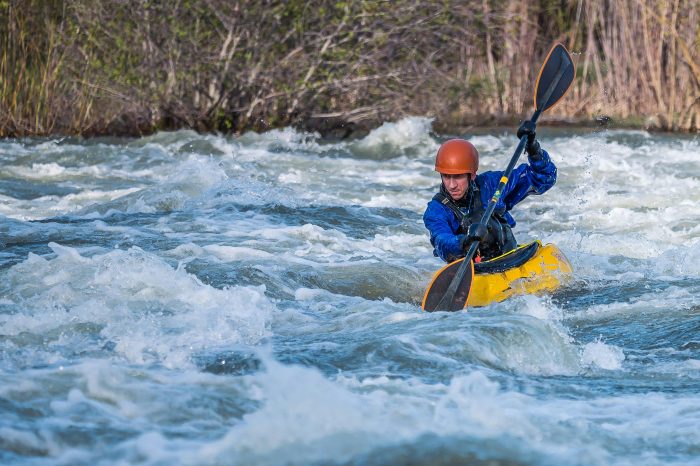
Kayaking can be a genuinely well-suited activity for autistic individuals, offering a combination of rhythmic movement, sensory input, time in nature, and a level of control over the environment that many other activities do not provide. At the same time, the sensory environment of being on the water, the equipment involved, and the social aspects of group paddling all present specific considerations worth thinking through in advance.
This guide covers the sensory aspects of kayaking relevant to autistic paddlers, practical strategies for managing sensory input, communication considerations, and how to build a paddling routine that genuinely works.
A note on language: This article uses both identity-first language (autistic person) and person-first language (person with autism) interchangeably, recognising that preferences vary between individuals. If you are supporting an autistic person in trying kayaking, ask their preferred terminology and follow their lead.
Why Kayaking Can Suit Autistic Paddlers
Rhythmic, repetitive movement
The forward paddle stroke is a smooth, repetitive motion that many autistic individuals find genuinely calming and regulating. Repetitive movement is a well-recognised self-regulation strategy, and kayaking provides this in a purposeful, functional context rather than requiring a separate stimming activity.
Controlled sensory environment
Unlike many group activities, kayaking allows significant control over sensory input. A solo paddler controls their own pace, route, and proximity to other people and sounds. Even in a group setting, the spacing between kayaks on the water naturally creates more personal space than most land-based group activities.
Time in nature with reduced sensory overload
Open water environments are often quieter and less visually chaotic than urban or crowded settings, which can reduce the cumulative sensory load that contributes to overwhelm for many autistic individuals. The natural sounds of water, while present, are generally steady and predictable rather than sudden or jarring.
A genuine sense of mastery and routine
Many autistic individuals find deep satisfaction in developing competence in a specific skill and following a consistent, predictable routine. Kayaking offers clear, learnable technique and the opportunity to build a reliable routine around launch points, equipment setup, and paddling sessions.
Sensory Considerations on the Water
Tactile sensitivity and clothing
Wetsuits, PFDs, and paddling gloves all involve specific tactile sensations, tight fits, and unfamiliar textures that may be uncomfortable for individuals with tactile sensitivity. Trying equipment on at home before the first paddle, choosing softer or seamless fabric options where available, and allowing extra time to get used to the sensation of gear before launching can all help.
Sound sensitivity
Water sounds, wind, other paddlers’ voices, and motorised boats can create an unpredictable auditory environment. For sound-sensitive individuals, choosing very calm, quiet water away from boat traffic, and considering whether soft earplugs designed for water sports are appropriate, can reduce auditory overwhelm. Discuss specific hearing protection options with an audiologist if sound sensitivity is significant.
Visual sensitivity
Bright sunlight reflecting off water can be intense, particularly for individuals with visual sensitivity. Polarised sunglasses designed for water sports reduce glare significantly and are worth considering even for short sessions.
Temperature sensitivity
Many autistic individuals have specific temperature sensitivities, finding either cold or heat particularly distressing rather than merely uncomfortable. Dress in layers that can be adjusted, and pay close attention to water and air temperature when planning a session, choosing comfortable conditions over technically ideal ones where there is a difference.
The unpredictability of capsizing
The possibility of unexpected immersion in water is a meaningful consideration for many autistic individuals, particularly those with strong aversions to unexpected sensory experiences or getting wet unexpectedly. Choosing very calm, stable conditions and a wide, stable kayak significantly reduces this risk, and discussing the possibility calmly and factually in advance, including what would happen and how it would be managed, can reduce anxiety around the unknown.
Building Predictability Into the Routine
Establish a consistent routine
Many autistic individuals benefit significantly from predictable routines. Where possible, use the same launch location, the same equipment, and a similar sequence of steps each time, particularly when first starting out. This predictability reduces the cognitive load of each session and allows more attention to be directed toward the activity itself.
Prepare with visual schedules or written steps
A written or visual step-by-step sequence of what will happen during a paddling session, from arriving at the launch point through to packing up afterward, can reduce anxiety about the unknown, particularly for a first session or a new location.
Allow extra time for transitions
Moving between activities, such as getting changed, putting on a PFD, and getting into the kayak, can each represent a transition that benefits from extra time and a calm pace rather than being rushed. Building generous time into the schedule for these transitions reduces stress for both the paddler and any support people.
Consider a familiar support person
Paddling with a consistent, familiar companion who understands the individual’s specific sensory profile and communication style provides both safety and comfort. This is particularly valuable during the early sessions of learning to kayak.
Communication on the Water
Establish clear, agreed signals in advance
Verbal communication can be difficult to hear and process on the water, particularly with wind and water noise. Agree on simple, clear hand signals in advance for common needs such as stop, slow down, I need a break, and I am uncomfortable. Practising these signals on land before getting on the water builds familiarity.
Consider non-verbal communication needs
For autistic individuals who are non-speaking or who experience reduced verbal communication under stress, consider whether a communication device, card system, or pre-agreed gesture system would be useful on the water, and ensure any companion is familiar with the individual’s specific communication approach.
Avoid unexpected social demands
Where possible, choose quieter launch points and times to reduce unplanned social interactions with other paddlers or beachgoers, particularly for individuals who find unplanned social interaction draining or distressing.
Choosing the Right Kayak and Equipment
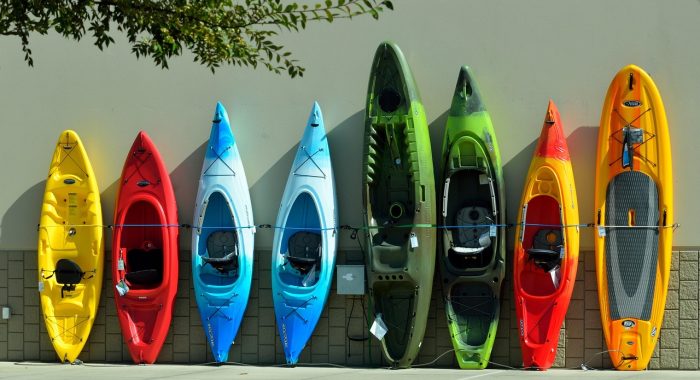
Wide, stable sit-on-top kayak – A wide, stable sit-on-top kayak reduces the likelihood of an unexpected capsize, which is particularly relevant given the sensory unpredictability discussed earlier. The open deck also makes entry and exit more straightforward and less physically demanding.
Comfortable, well-fitted PFD – Try several PFD styles if possible to find one that feels comfortable rather than restrictive or itchy. A poorly fitting PFD that causes ongoing discomfort can undermine an otherwise positive paddling experience.
Read: 6 of the Best Life Jackets for Kayak Fishing
Comfortable paddling gloves if tactile sensitivity affects grip – For individuals who find direct contact with a wet paddle shaft uncomfortable, paddling gloves provide a layer of consistent, predictable tactile sensation rather than the variable feel of bare skin on a wet surface.
Read: Best Kayaking Gloves
Starting Out Gradually
Begin on land and water’s edge before paddling – For a first introduction, simply visiting the launch point, sitting in a stationary kayak on land, and getting comfortable with the equipment without any expectation of paddling can build familiarity and reduce first-session overwhelm.
Keep early sessions short – A short, positive first session is more valuable than a longer session that becomes overwhelming. Follow the individual’s cues and end the session on a positive note rather than pushing to a predetermined time or distance.
Build up gradually and consistently – Increase session length and complexity gradually, maintaining the consistent routine elements discussed earlier as the foundation while introducing small variations over time.
A Note for Parents and Support People
Every autistic individual has a unique sensory profile, communication style, and set of preferences. The strategies in this guide are general starting points, not a fixed protocol, and the most effective approach comes from listening closely to the specific autistic individual’s responses and adjusting accordingly.
If the individual is able to communicate their preferences, involve them directly in decisions about equipment, location, and pacing rather than making these decisions on their behalf. Autonomy and choice are valuable for any paddler and particularly meaningful for autistic individuals who may otherwise have limited control over sensory experiences in daily life.
Resources
Australia:
- Autism Spectrum Australia (Aspect) — aspect.org.au — information, education, and support services
- Autism Awareness Australia — autismawareness.com.au — resources for families and individuals
United States:
- Autism Society of America — autismsociety.org — resources and local chapter support
United Kingdom:
- National Autistic Society — autism.org.uk — comprehensive resources and support
Frequently Asked Questions (FAQs)
Is kayaking a good activity for autistic individuals?
Many autistic individuals find kayaking genuinely well suited, due to the rhythmic, repetitive movement, the ability to control sensory input and pacing, and the calming environment of being on the water. The right fit depends entirely on the individual’s specific sensory profile and preferences.
How do I manage sensory sensitivities while kayaking?
Choose calm, quiet water away from boat traffic, try equipment on in advance to assess tactile comfort, use polarised sunglasses for glare, and dress in adjustable layers for temperature sensitivity. Identify the individual’s specific sensitivities in advance and plan around them.
How can I help an autistic person who is non-speaking communicate while kayaking?
Establish a clear, agreed system in advance, whether hand signals, a communication device, or a card system, and practise it on land before getting on the water. Ensure any paddling companion is familiar with the individual’s specific communication approach.
What type of kayak is best for an autistic paddler?
A wide, stable sit-on-top kayak is generally the most suitable choice, as it reduces the likelihood of an unexpected capsize and makes entry and exit more straightforward, both of which reduce sensory unpredictability.
How do I introduce kayaking to an autistic child or adult for the first time?
Start by simply visiting the launch point and sitting in a stationary kayak without any expectation of paddling. Keep the first real session short and end on a positive note. Build up gradually, maintaining consistent routine elements while introducing small variations over time.
Should I follow a fixed plan or adjust based on how the session is going?
Adjust based on the individual’s responses. A consistent routine provides valuable predictability, but the specific pacing, duration, and content of each session should be responsive to how the individual is actually experiencing it, rather than rigidly following a predetermined plan regardless of their cues.
Final Thoughts
Kayaking offers a genuinely well-suited combination of rhythmic movement, sensory engagement, and personal control that many autistic individuals find rewarding. The most important principles are building predictable routines, identifying and planning around specific sensory sensitivities, establishing clear communication in advance, and following the individual’s own cues rather than a fixed external plan.
For more on kayaking safely with health and sensory considerations, read our guides on kayaking with anxiety or depression and kayaking with ADHD.