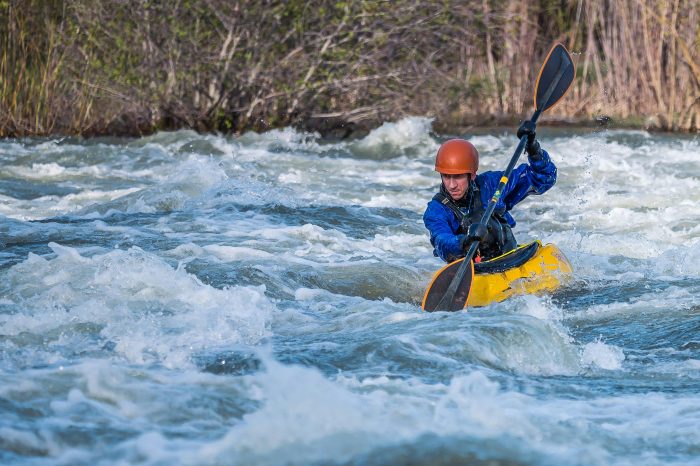
Kayaking and mental health have a relationship that is increasingly well supported by research. Time spent on the water combines physical exercise, exposure to nature, rhythmic movement, and a sense of achievement in a way that few other activities match. For people managing anxiety or depression, kayaking can be a genuinely valuable part of a broader approach to mental wellbeing.
This article is not about curing anxiety or depression with kayaking. It is a practical guide for people who already manage these conditions and want to incorporate paddling into their lives safely and enjoyably, and for those who are curious about whether kayaking might support their mental health.
Medical disclaimer: This article is intended as practical paddling advice and general wellbeing information. It is not a substitute for professional mental health support or medical treatment. Always continue any prescribed treatment for anxiety or depression and consult your doctor or mental health professional before making significant changes to your activity levels or routine.
The Evidence for Outdoor Exercise and Mental Health
The relationship between physical exercise and mental health is well established. Regular aerobic exercise reduces symptoms of both anxiety and depression through multiple mechanisms including the release of endorphins, reduction of stress hormones, improvement in sleep quality, and the psychological benefits of achievement and routine.
The specific benefits of outdoor and water-based exercise add to this foundation. Research into blue space, the term used to describe time spent near or on water, consistently shows benefits for mental wellbeing beyond those of equivalent exercise performed indoors or away from water. Being near water reduces cortisol levels, lowers heart rate, and produces a calming effect on the nervous system that land-based exercise does not replicate to the same degree.
Kayaking combines all of these elements. It is moderate-intensity aerobic exercise performed outdoors in a natural environment, often on or near water, with a rhythmic, meditative quality to the forward paddle stroke that many people find genuinely calming.
How Kayaking Specifically Supports Anxiety and Depression
The rhythmic paddle stroke
The repetitive, rhythmic nature of the forward paddle stroke has a meditative quality that many people with anxiety find calming. Like walking, running, or swimming, the repetitive movement creates a natural rhythm that quiets anxious or depressive thought patterns and brings attention to the present moment.
Time in nature
Kayaking takes place in natural environments including lakes, rivers, and coastal waterways that provide the sensory stimulation of birdsong, moving water, wind, and natural light that indoor exercise cannot replicate. Time in natural environments is consistently associated with reduced anxiety and improved mood.
A sense of achievement
Completing a paddle session, learning a new skill, or reaching a destination by water provides a genuine sense of achievement that contributes to self-efficacy, the belief in your own ability to manage challenges. Building self-efficacy through small, achievable goals is a recognised component of recovery from both anxiety and depression.
Social connection
Kayaking with others provides social connection in a context that feels natural and low-pressure compared to more explicitly social settings. Many people with anxiety or depression find that activity-based socialising is easier than unstructured social interaction. Paddling alongside someone creates a comfortable shared experience without requiring constant conversation.
Mindfulness on the water
The demands of paddling, including reading the water, maintaining balance, and adjusting to conditions, naturally anchor attention to the present moment. This present-moment focus is the basis of mindfulness practice and provides a natural respite from the rumination and worry patterns that characterise anxiety and depression.
Routine and structure
For people managing depression in particular, the structure of a regular paddling routine provides a reliable anchor in the week. Having a planned activity to prepare for and look forward to supports the routine and forward orientation that depression tends to disrupt.
Practical Considerations for Kayaking With Anxiety
Managing anticipatory anxiety
Anticipatory anxiety, the anxiety that builds before an activity rather than during it, is common in people with anxiety disorders and can prevent them from starting activities they would actually enjoy. Recognising that the anxiety felt before launching is often significantly worse than the anxiety felt on the water is an important first step.
Preparation reduces anticipatory anxiety. Knowing the location, knowing the conditions, having all gear ready the night before, and having a clear plan for the session reduces the number of unknowns that fuel anticipatory anxiety.
Starting small
Begin with very short sessions on familiar, calm water close to home. A 20 to 30 minute paddle on a small, sheltered lake removes most of the variables that fuel anxiety including unfamiliar locations, uncertain conditions, and long distances from shore. Short familiar sessions build confidence and positive associations with paddling that reduce anticipatory anxiety over time.
Paddling with a trusted companion
Paddling with a trusted companion reduces anxiety on the water by providing a sense of safety and support. Choose a companion who understands your anxiety, will not pressure you to paddle further or faster than you are comfortable with, and who you can tell honestly if you need to return to shore.
Having an exit plan
Knowing that you can return to shore at any time and that the session can end whenever you choose is an important anxiety management tool. Anxiety is often amplified by a sense of being trapped or unable to escape a situation. The self-directed nature of recreational kayaking means you can always paddle back to shore, which makes it inherently more manageable for anxious people than activities with less control over timing and exit.
Managing medication and exercise
Some medications used to treat anxiety affect heart rate, hydration, and sun sensitivity in ways that are relevant to outdoor exercise. If you take medication for anxiety, check with your doctor whether there are any specific considerations for outdoor physical activity including kayaking.
Practical Considerations for Kayaking With Depression
On low motivation days
Depression characteristically reduces motivation and makes it difficult to initiate activities, including those that are known to be helpful. The gap between knowing kayaking would help and actually getting on the water can feel enormous on low days.
Reducing the barriers to starting is more effective than relying on motivation. Having your gear ready, having a specific time and location planned, and having a companion expecting you all reduce the activation energy required to begin. Committing to just getting to the water rather than to a full paddle session removes the pressure of performance and makes starting easier.
The post-paddle effect
Most people with depression notice a meaningful improvement in mood after physical exercise, even when motivation before the session was very low. Remembering and recording this post-paddle mood improvement on good days provides a reference point to draw on when motivation is low and the benefit feels abstract.
Avoiding over-reliance on kayaking
Kayaking can be a genuinely valuable component of managing depression but should be one part of a broader approach that includes professional support, medication if prescribed, and other lifestyle factors. Over-relying on any single activity as the primary strategy for managing depression creates vulnerability when that activity is unavailable due to weather, injury, or season.
Seasonal considerations
Depression often worsens in winter when daylight hours are shorter and opportunities for outdoor activity are reduced. Planning for winter paddling with appropriate cold weather gear and identifying indoor alternatives for the coldest months reduces the disruption to routine that seasonal changes can cause.
Read: Kayaking in Cold Weather
Safety Considerations for Kayaking With Anxiety or Depression
Never paddle alone during a mental health crisis – If you are experiencing a significant episode of anxiety or depression, particularly if you are having thoughts of self-harm, do not paddle alone. Always paddle with a trusted companion who knows about your mental health condition and knows what to do if you become distressed on the water.
Tell your companion – Brief your paddling companion on your anxiety or depression before launching. You do not need to share details you are not comfortable with but letting them know that you may need to return to shore early, that you may need reassurance if anxiety rises, and that they should take it seriously if you ask to stop, makes the experience significantly safer and more manageable.
Medications and water safety – Some medications used for anxiety and depression cause drowsiness, reduced coordination, or impaired concentration that may affect your ability to paddle safely. Discuss the potential effects of your medication on activities requiring coordination and balance with your doctor before kayaking.
Know your limits on difficult days – On days when depression or anxiety is particularly severe, postponing a paddle is a valid and sensible choice. Pushing to paddle through a severe episode is unlikely to be enjoyable and may create negative associations with the activity. Rest on the hardest days and return to the water when you are ready.
Mental health support resources
If this article has brought up any distressing thoughts or feelings or you are experiencing any thoughts of self-harm, please reach out using the resources below.
In Australia:
- Lifeline — 13 11 14, available 24 hours a day
- Beyond Blue — 1300 22 4636
In the United States:
- 988 Suicide and Crisis Lifeline — call or text 988, available 24 hours a day
- Crisis Text Line — text HOME to 741741
- SAMHSA National Helpline — 1-800-662-4357
Building a Sustainable Kayaking Practice for Mental Health
Start with consistency over intensity – A short paddle twice a week is more valuable for mental health than an occasional long paddle. Consistency of routine is more important than the duration or intensity of individual sessions. Aim for regular, manageable sessions rather than occasional demanding ones.
Join a paddling group or club – Paddling clubs and groups provide structure, social connection, and a community of people who share an interest in being on the water. Many people with anxiety and depression find that activity-based community is one of the most accessible forms of social connection available to them. Most paddling clubs welcome beginners and offer a range of session types to suit different ability levels.
Keep a paddling journal – Recording how you feel before and after each paddle session over several weeks provides concrete evidence of the mood-lifting effect of kayaking. This record is valuable on low days when the benefit feels abstract and motivation is low.
Combine kayaking with other mental health strategies – Kayaking works best as part of a broader mental health toolkit that includes professional support, social connection, sleep, nutrition, and other activities that support wellbeing. It is not a replacement for treatment but a valuable complement to it.
Frequently Asked Questions (FAQs)
Is kayaking good for anxiety?
Yes. Kayaking combines moderate aerobic exercise, time in nature, rhythmic movement, and a sense of achievement in a way that is consistently associated with reduced anxiety symptoms. The self-directed, controllable nature of recreational kayaking is particularly well suited to people with anxiety as it provides a sense of agency and control throughout the activity.
Is kayaking good for depression?
Yes. Regular physical exercise is one of the most evidence-supported non-pharmacological interventions for depression. Kayaking provides aerobic exercise in a natural outdoor environment with the additional mental health benefits of blue space exposure, social connection when paddling with others, and routine and structure. It works best as part of a broader approach to managing depression that includes professional support.
Can kayaking replace therapy or medication for anxiety and depression?
No. Kayaking can be a genuinely valuable complement to professional treatment for anxiety and depression but it is not a replacement for therapy, medication, or other prescribed treatments. Always continue any prescribed treatment and discuss any changes to your activity or treatment approach with your doctor or mental health professional.
Is it safe to kayak when taking medication for anxiety or depression?
Most medications used for anxiety and depression do not prevent kayaking but some cause drowsiness, reduced coordination, or other effects relevant to outdoor water activities. Discuss the specific effects of your medication on activities requiring coordination and balance with your doctor before kayaking.
What if anxiety rises significantly while I am on the water?
Stop paddling and focus on slow, deliberate breathing. Breathe in for four counts, hold for two, and out for four. Fix your gaze on a stable point on the shore. Signal to your companion that you need to return to shore. Paddle slowly and calmly back to the shallows. Having a clear plan for managing rising anxiety before you launch makes it significantly easier to implement in the moment.
Should I tell my kayaking companions about my anxiety or depression?
You do not need to share details you are not comfortable with, but telling your companions that you may need to return to shore early or that you appreciate a low-pressure environment makes the experience more manageable. Most paddling companions are understanding and supportive once they know the situation.
Final Thoughts
Kayaking offers a combination of physical exercise, nature exposure, rhythmic movement, social connection, and achievable challenge that makes it genuinely well suited to supporting mental health. For people managing anxiety or depression, it can be a valuable and enjoyable part of a broader approach to wellbeing.
The most important principles are to start small, paddle with a trusted companion, choose calm familiar environments, maintain professional treatment, and be kind to yourself on the days when getting on the water feels hard. The water will be there when you are ready.
If you are struggling with your mental health, please reach out for support. In Australia, Lifeline is available 24 hours a day on 13 11 14 and Beyond Blue on 1300 22 4636.
In the United States, call or text 988 for the Suicide and Crisis Lifeline, available 24 hours a day.
Medical disclaimer: This article is intended as practical paddling advice and general wellbeing information. It is not a substitute for professional mental health support. Always continue any prescribed treatment and consult your doctor or mental health professional before making changes to your activity routine.
For more on kayaking safely and enjoyably, read our guides on is kayaking dangerous and kayaking for seniors.