A fear of water is more common than most people admit, and it stops many people from trying kayaking or enjoying it fully when they do. Whether the fear is mild nervousness around deep water, a more significant anxiety about capsizing, or a genuine phobia of water developed after a difficult experience, it is a real and valid concern that deserves a practical response.
The good news is that many people with a fear of water kayak regularly and comfortably. Kayaking is in many ways one of the most accessible water activities for people with water anxiety because it keeps you seated above the water surface in a stable vessel rather than immersed in it. With the right approach, the right equipment, and a gradual progression, most people find that their confidence on the water builds steadily over time.
This guide covers practical strategies for managing water anxiety and building confidence on the water at your own pace.
Medical disclaimer: This article is intended as practical paddling advice. It is not a substitute for professional mental health support. If you have a diagnosed phobia of water or significant anxiety that affects your daily life, consider speaking with a psychologist or therapist before attempting water activities. A mental health professional can provide tailored strategies for managing phobia responses that go beyond the scope of this guide.
Understanding Water Fear in the Context of Kayaking
Fear of water exists on a spectrum. Understanding where your fear sits on that spectrum helps identify the most appropriate approach.
Mild nervousness – Many people feel nervous around deep water or when far from shore without this constituting a phobia. This level of anxiety is very common and typically manageable with gradual exposure, good preparation, and the right equipment. Most people in this category find that their nervousness reduces significantly once they are actually on the water.
Fear of capsizing – A specific fear of capsizing is extremely common in beginner kayakers and is entirely rational. Capsizing in deep water without knowing how to self-rescue is a genuine risk. This fear is best addressed through practical capsize training in a safe, shallow, controlled environment which transforms the unknown into a known and manageable event.
Fear of deep water – A fear of being over deep water is distinct from a fear of swimming or immersion. Many people are comfortable swimming in a pool but feel significant anxiety when unable to see the bottom. This fear responds well to gradual exposure starting on very shallow, calm water and building up progressively.
Aquaphobia – Aquaphobia is a diagnosed phobia of water that causes intense anxiety or panic responses to water-related situations. People with aquaphobia may benefit from working with a psychologist using evidence-based treatments such as cognitive behavioural therapy or gradual exposure therapy before attempting kayaking. Attempting to push through a phobic response without support is unlikely to be helpful and may reinforce the fear.
Why Kayaking Can Actually Help With Water Fear
Kayaking has some features that make it particularly well suited to people working through water anxiety compared to other water activities.
You stay above the water
Unlike swimming, snorkelling, or diving, recreational kayaking keeps you seated above the water surface in a stable vessel. You are not immersed in the water during a normal paddle. For people whose fear centres on being in the water rather than being near it, this distinction is significant.
You are in control
Kayaking puts you in control of your own movement and pace. You can stay close to shore, paddle slowly, stop whenever you want, and return to land at any time. This sense of control is an important factor in managing anxiety.
Progression is entirely self-directed
There is no requirement to paddle in deep water, far from shore, or in challenging conditions. Every aspect of a kayaking session can be scaled to your current comfort level and extended gradually as confidence builds.
The focus is on the paddle
The rhythmic, repetitive nature of the forward paddle stroke gives the anxious mind something practical to focus on. Many people with water anxiety find that the physical engagement of paddling reduces the mental space available for anxious thoughts.
Practical Steps for Building Confidence on the Water
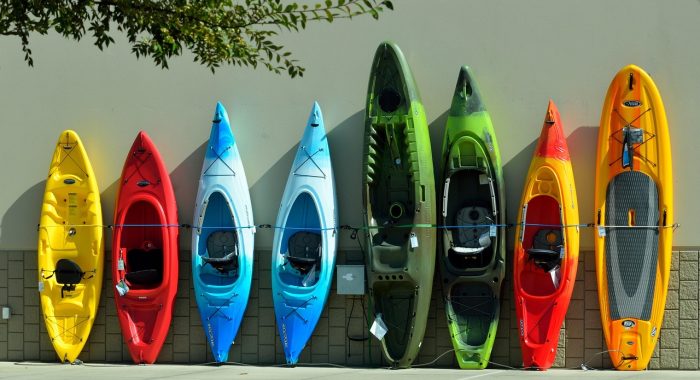
Step 1 — Choose the right equipment Start with the widest, most stable sit-on-top kayak available. A wide sit-on-top is significantly harder to capsize than a narrow sit-inside design and the open deck means there is no cockpit to feel trapped in. Knowing you are on a stable, hard-to-tip vessel reduces anxiety significantly before you have even launched.
Always wear a properly fitted PFD. A PFD keeps you floating on the surface if you do go in the water and knowing this provides significant reassurance for people with water anxiety. Choose a PFD that is comfortable and does not feel restrictive.
Read: Best Life Jackets for Kayak Fishing
Step 2 — Start in very shallow water For the first session, choose a location where you can stand on the bottom throughout the entire paddle. A calm, shallow lake or a sheltered, shallow bay where the water is waist deep or less removes the risk of being out of your depth entirely. Knowing you can simply stand up if anything feels wrong is enormously reassuring.
Stay in shallow water for as many sessions as it takes to feel genuinely comfortable before moving into deeper water.
Step 3 — Learn to capsize deliberately One of the most effective ways to reduce fear of capsizing is to capsize deliberately in a controlled, safe environment before it happens accidentally. This transforms capsizing from an unknown, feared event into a known, manageable one.
Choose very shallow, calm water where you can stand up after capsizing. Have a companion present. Tip the kayak intentionally, get in the water, right the kayak, and climb back on. Doing this several times in a controlled setting removes much of the psychological power the prospect of capsizing holds.
Many beginner kayaking lessons include a supervised capsize exercise for exactly this reason. A qualified instructor in a safe, supervised environment is the ideal setting for a first capsize.
Read: How to Get In and Out of a Kayak
Step 4 — Paddle with a companion Always paddle with a companion when building water confidence. A companion provides practical assistance if needed, emotional support throughout the session, and a sense of security that makes it easier to extend your comfort zone gradually. The knowledge that someone is there and aware of your anxiety significantly reduces the isolation that can amplify fear.
Step 5 — Build distance from shore very gradually Once comfortable in shallow water, begin extending your distance from shore in very small increments. Paddle five metres further from shore than last time. Stay there until it feels comfortable. Then extend again on the next session.
There is no timeline for this progression. Some people extend their range quickly. Others take many sessions to feel comfortable moving into deeper water. Both are entirely normal.
Step 6 — Take a lesson from a qualified instructor A beginner kayaking lesson with a qualified instructor who is aware of your anxiety is one of the most effective ways to build confidence. A good instructor provides practical skills, a safe and supervised environment, and calm reassurance that addresses the specific concerns of anxious paddlers.
Tell the instructor about your anxiety before the lesson. Most experienced instructors have worked with anxious paddlers before and will adapt the lesson to your pace and comfort level.
Managing Anxiety on the Water
Breathe deliberately
Anxiety triggers rapid, shallow breathing that amplifies the physical symptoms of fear. Deliberately slowing and deepening your breathing interrupts this cycle. Breathe in for four counts, hold for two, and out for four. This simple technique reduces the physical symptoms of anxiety quickly and can be used at any point during a paddle.
Focus on the paddle stroke
When anxious thoughts arise on the water, bring your attention back to the physical sensations of paddling. The feel of the paddle in your hands, the resistance of the water on the blade, the sound of each stroke. Focusing on the physical activity of paddling redirects attention away from anxious thoughts.
Use a mantra or grounding phrase
Some people find it helpful to have a simple phrase to return to when anxiety rises on the water. Something like “I am safe, I am stable, I am in control” or simply “I can do this” provides a mental anchor when anxiety builds.
Acknowledge the fear without fighting it
Trying to suppress or fight anxious feelings often makes them worse. Acknowledging the feeling without giving it extra power tends to be more effective. Noticing “I feel anxious right now” as a neutral observation rather than a crisis response reduces the intensity of the anxiety response over time.
Set a comfort anchor
Before each paddle, identify a point on the shore that represents your comfort boundary for that session. Agree with yourself that you will not paddle beyond that point today. Having a defined boundary reduces the open-ended anxiety of not knowing how far you might go and gives a clear, manageable goal for each session.
Celebrate small wins
Each session on the water is a genuine achievement for someone managing water anxiety. Paddling for ten minutes in shallow water is a real win. Paddling a little further than last time is a real win. Recognising and celebrating these small progressions builds confidence over time.
What To Tell Your Paddling Companions
If you are paddling with companions, telling them about your anxiety before launching makes the experience significantly more manageable. A companion who knows about your anxiety can:
- Paddle at your pace without pressure
- Provide reassurance if anxiety rises on the water
- Assist quickly if you need to return to shore
- Avoid sudden movements or jokes about tipping the kayak
Most paddling companions are supportive once they understand the situation. Keeping the anxiety secret often creates additional pressure that makes it harder to manage.
Choosing the Right Paddling Environment
The paddling environment has a significant impact on anxiety levels. Choosing the right environment at each stage of your confidence building makes a meaningful difference.
Best environments for building water confidence:
- Small, calm, shallow lakes with a gradual sandy beach entry
- Slow, shallow rivers with easy shore access throughout
- Sheltered bays with a flat water surface and minimal boat traffic
- Indoor kayaking pools where available for initial lessons
Environments to avoid initially:
- Open water or large lakes where the distance from shore is significant
- Busy waterways with motorboat traffic
- Any location with significant current, swell, or wind
- Deep water without a gradual transition from shallow areas
Frequently Asked Questions (FAQs)
Can I kayak if I am afraid of water?
Yes. Many people with a fear of water kayak regularly and comfortably. The key is starting in very shallow, calm water where you can stand on the bottom throughout, using a wide stable sit-on-top kayak, wearing a properly fitted PFD, paddling with a companion, and building your confidence gradually at your own pace. Tell a qualified instructor about your anxiety before your first lesson and they will adapt their approach accordingly.
What is the best type of kayak for someone with water anxiety?
A wide, stable sit-on-top recreational kayak is the best choice for someone with water anxiety. It is significantly harder to capsize than a narrow kayak, the open deck means there is no cockpit to feel trapped in, and the self-draining design means water does not accumulate in the boat. The stability of a wide sit-on-top kayak provides significant reassurance for anxious paddlers.
Should I learn to capsize deliberately before paddling?
Yes. Deliberately capsizing in a controlled, shallow, safe environment with a companion present is one of the most effective ways to reduce fear of capsizing. It transforms the prospect of capsizing from an unknown feared event into a known manageable one. Most qualified kayaking instructors include a supervised capsize exercise in beginner lessons for exactly this reason.
How long does it take to get comfortable kayaking with water anxiety?
There is no standard timeline. Some people become comfortable on the water within a few sessions. Others take longer. The pace of progression depends on the severity of the anxiety, the consistency of practice, and the suitability of the environment and equipment. The most important principle is to progress at your own pace without pressure rather than pushing beyond your comfort zone before you are ready.
What if I panic on the water?
If you feel a panic response building on the water, stop paddling and focus on your breathing. Breathe in for four counts, hold for two, and out for four. Fix your gaze on a stable point on the shore. Signal to your companion that you need to return to shore. Paddle slowly and calmly back to the shallows. A panic response on the water is unpleasant but manageable with the right tools and a companion who is aware of your anxiety.
Should I see a therapist before trying to kayak with water anxiety?
If your fear of water causes significant distress or avoidance in daily life beyond kayaking, speaking with a psychologist or therapist is worthwhile before attempting water activities. Cognitive behavioural therapy and gradual exposure therapy are evidence-based treatments for water phobia that can significantly reduce anxiety before you attempt paddling. For milder nervousness around water, a practical gradual approach to kayaking as described in this guide is generally sufficient.
Final Thoughts
Kayaking with a fear of water is achievable for most people with the right approach, the right equipment, and a patient, self-directed progression. The key principles are to start in shallow, calm water where you can stand on the bottom, use a wide stable sit-on-top kayak, wear a properly fitted PFD at all times, paddle with a supportive companion, and build your distance from shore gradually over multiple sessions.
Many people who started kayaking with significant water anxiety have found that the sport gradually transformed their relationship with water entirely. The combination of control, rhythm, and the calming effect of time on the water makes kayaking a genuinely therapeutic activity for many people working through water-related anxiety.
Medical disclaimer: This article is intended as practical paddling advice. It is not a substitute for professional mental health support. If you have a diagnosed phobia of water or significant anxiety that affects your daily life, consider speaking with a psychologist or therapist before attempting water activities.
For more on getting started with kayaking safely and comfortably, read our guides on how to get in and out of a kayak and is kayaking dangerous.