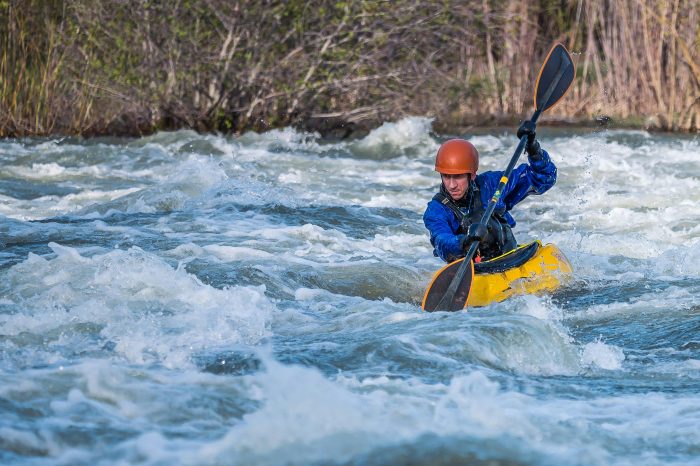
Kayaking with vertigo is a genuine concern for a significant number of people who want to paddle but worry about how their condition will affect their safety and enjoyment on the water.
The answer is that many people with vertigo and balance disorders kayak comfortably and safely with the right equipment, preparation, and approach. The key is understanding how vertigo interacts with the kayaking environment and making practical adaptations that reduce the risk of symptoms on the water.
This guide covers the main types of vertigo and balance disorders relevant to kayaking, practical safety considerations, and how to adapt your paddling to manage symptoms effectively.
Medical disclaimer: This article is intended as general practical information only. It is not a substitute for medical advice. Always consult your doctor before kayaking with vertigo or a balance disorder, particularly if your symptoms are poorly controlled or you have recently started new medication. Follow their specific guidance on physical activity and balance challenges.
Understanding Vertigo and Balance Disorders
Vertigo is the sensation that you or your surroundings are spinning or moving when they are not. It is a symptom rather than a condition in itself and can result from a range of underlying causes. Understanding your specific type of vertigo helps predict how it will interact with kayaking.
Benign paroxysmal positional vertigo (BPPV)
BPPV is the most common form of vertigo. It is triggered by specific head movements and typically causes brief episodes of intense spinning that last seconds to a minute. BPPV can often be treated effectively with repositioning manoeuvres performed by a physiotherapist or doctor.
For kayaking, BPPV presents a specific challenge as the head movements involved in looking around, checking blind spots, and responding to waves can trigger episodes. Between episodes most people with BPPV have no symptoms and can paddle normally.
Vestibular neuritis and labyrinthitis
These conditions involve inflammation of the inner ear and typically cause a prolonged episode of severe vertigo lasting days to weeks, followed by a gradual recovery period. Most people recover fully but some experience ongoing balance difficulties.
Kayaking during an acute episode of vestibular neuritis or labyrinthitis is not appropriate. During the recovery period, returning to kayaking should be gradual and guided by your doctor or vestibular physiotherapist.
Meniere’s disease
Meniere’s disease causes episodes of vertigo, tinnitus, hearing loss, and a feeling of fullness in the ear. Episodes are unpredictable in timing and duration, which is the most significant challenge for kayaking. An episode on the water while paddling alone or in exposed conditions carries obvious risks.
Kayaking with Meniere’s disease is possible during well-controlled periods but requires careful planning, always paddling with a companion, and a conservative approach to conditions and distance from shore.
Chronic subjective dizziness and persistent postural perceptual dizziness
These conditions involve persistent dizziness and unsteadiness that is worsened by visually complex or moving environments. The moving water surface and visual complexity of a kayaking environment can worsen symptoms for some people with these conditions. Starting on very calm, flat water with minimal visual complexity is recommended.
Mal de Débarquement Syndrome (MdDS)
Mal de Débarquement Syndrome is a rare vestibular disorder that is particularly relevant to kayakers. The name means “sickness of disembarkation” and describes the persistent sensation of rocking, swaying, or bobbing that some people experience after getting off a boat or other moving vessel. Most people experience a brief version of this after any boat trip — that familiar feeling of still being on the water after returning to land. In most cases it resolves within 24 hours. In people with MdDS it can persist for months or even years.
The condition is more common in women aged 30 to 60 and in people who experience migraines. It is caused by the brain struggling to readapt to stillness after sustained exposure to the motion of being on the water.
For kayakers, MdDS presents a specific consideration. Kayaking on the water may temporarily relieve MdDS symptoms because the rocking sensation of being on the water matches the brain’s current expectations. However, returning to land after paddling can prolong or worsen the sensation. Some people with MdDS find that any water-based activity triggers or extends their symptoms while others find it manageable.
There is no single cure for MdDS. Treatment options include vestibular rehabilitation, medications used for anxiety, depression, and insomnia, and brain stimulation therapy. Motion sickness medications are not effective for MdDS.
Medication-related dizziness
Some medications used to treat vertigo and balance disorders cause dizziness and drowsiness as side effects. Never kayak while taking medication that causes significant drowsiness or that your doctor has advised against operating machinery or performing activities requiring balance and coordination.
How Kayaking Affects Vertigo
Kayaking presents several environmental factors that can trigger or worsen vertigo symptoms in susceptible individuals.
Moving water surface – The visual complexity of a moving water surface can trigger visually induced dizziness in people with vestibular disorders. Choppy water, reflections, and glare all contribute to visual complexity that can worsen symptoms. Starting on calm, flat water with minimal surface movement reduces this trigger significantly.
Head movements – Looking around, tracking objects, and responding to waves all involve the head movements that can trigger BPPV episodes. Being aware of which movements trigger your symptoms and minimising unnecessary head movements during paddling can reduce episodes on the water.
Boat motion – The gentle rocking of a kayak on the water is a vestibular stimulus that some people with balance disorders find triggers symptoms. A wider, more stable kayak that rocks less than a narrow one reduces this stimulus significantly.
Glare and visual complexity – Bright sunlight on water creates significant glare that adds to visual complexity. Polarised sunglasses reduce glare substantially and can reduce visually induced dizziness symptoms on the water.
Read: Kayaking With Glasses or Contacts
Practical Safety Considerations
Never paddle alone
Paddling alone with poorly controlled vertigo is not safe. An episode of vertigo on the water without a companion to assist could result in a capsize or an inability to paddle safely back to shore. Always paddle with a companion who knows about your condition and what to do if you experience an episode on the water.
Tell your companion about your condition – Brief your paddling companion on your vertigo condition before launching. Explain what an episode looks and feels like, what you need them to do if one occurs (e.g. call for help), and agree on a signal you will use to indicate you need to stop and return to shore. For keeping your phone dry on the water, read: Best Waterproof Phone Cases for Kayaking.
Choose calm sheltered water
Start on the calmest, most sheltered water available. A small, sheltered lake or slow river on a calm day with minimal boat traffic and minimal surface movement is the most appropriate environment for paddling with vertigo. Avoid open water, choppy conditions, and busy waterways until you have established how your symptoms respond to kayaking.
Stay close to shore
Paddle close to shore throughout every session so you can reach the bank quickly if symptoms develop. Being close to shore means a short distance to safety if a vertigo episode makes paddling difficult or impossible.
Keep sessions short initially
Start with very short sessions of 20 to 30 minutes and build up gradually as you establish how your vertigo responds to the kayaking environment. Some people find symptoms improve with exposure to the vestibular stimulus of being on the water. Others find longer sessions increase symptom severity. Pay attention to how you feel during and after each session.
Carry your medication
If you have been prescribed medication for acute vertigo episodes such as prochlorperazine or similar, carry it in a waterproof container in your PFD pocket. Having medication accessible without needing to open a hatch allows faster treatment if an episode develops on the water. Discuss with your doctor whether carrying rescue medication on the water is appropriate for your specific situation.
For keeping your phone dry on the water, read: Best Waterproof Phone Cases for Kayaking
Wear a medical ID
Wear a waterproof medical ID bracelet identifying your condition and any relevant medications. In an emergency where you are unable to communicate, this information helps first responders provide appropriate care.
Choosing the Right Kayak for Vertigo
The right kayak makes a significant difference to symptom management for people with vertigo and balance disorders.
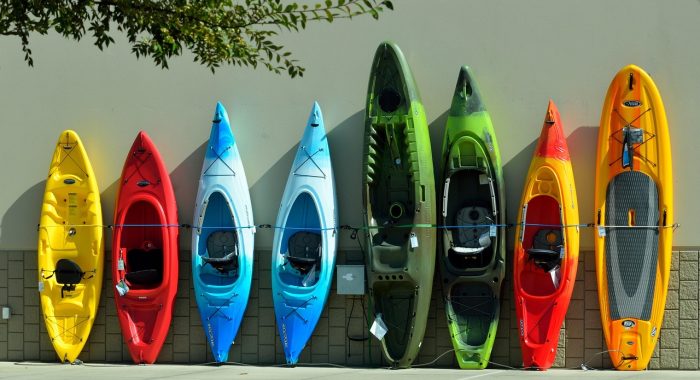
Wide, stable sit-on-top kayak
A wide, stable sit-on-top kayak is strongly recommended for paddlers with vertigo. The wide hull minimises rocking and provides a stable platform that reduces the vestibular stimulus of boat motion. The open deck makes entry and exit easier than a sit-inside design which reduces the balance demands at the most vulnerable points of the paddle.
Avoid narrow kayaks initially
Narrow sea kayaks and whitewater kayaks require more active balance correction and rock more readily than wide recreational kayaks. These are not appropriate for people with active vertigo symptoms, particularly when first returning to paddling.
Inflatable kayaks
Many inflatable kayaks are wide and stable with a low rocking tendency that suits people with balance disorders. The lighter weight also makes them easier to handle during entry and exit. Read: 6 of the Best Inflatable Kayaks Under USD$500
Read: What Size Kayak Do I Need?
A comfortable, supportive seat
The right seat also makes a significant difference for paddlers managing vertigo, reducing overall fatigue and allowing more attention to be directed toward balance and symptom management rather than postural discomfort. Read: Best Kayak Seats.
Helpful Strategies for Managing Vertigo on the Water
Focus on a fixed point on the horizon – Fixing your gaze on a stable point on the horizon or shoreline reduces visually induced dizziness by providing a stable visual reference. Avoid looking down at the water surface for extended periods as the moving water increases visual complexity and can worsen symptoms.
Move your head slowly and deliberately – Avoid rapid head movements during paddling. Turn your head slowly and deliberately when checking around you. If you need to look behind you, rotate your whole torso rather than just your neck to minimise the head movement involved.
Use polarised sunglasses – Polarised sunglasses reduce glare from the water surface which reduces visual complexity and can significantly reduce visually induced dizziness symptoms. They also improve overall visibility on the water. Read: Kayaking With Glasses or Contacts.
Paddle at a steady, rhythmic pace – A steady, rhythmic paddling pace provides a predictable repetitive movement that some people with vestibular disorders find stabilising. Avoid sudden changes in pace or direction that introduce unpredictable movement inputs.
Rest if symptoms develop – If symptoms begin to develop during a paddle, stop paddling, fix your gaze on a stable point on the horizon, and allow the symptoms to settle before continuing. If symptoms do not settle quickly, paddle to shore with your companion’s assistance.
When Not To Paddle
There are situations where postponing a paddle is the safer choice for people with vertigo:
- During an acute vertigo episode or within 24 hours of a significant episode
- When medication is causing significant drowsiness or impaired coordination
- When symptoms are poorly controlled or have recently changed significantly
- When paddling alone without a companion
- In conditions involving significant boat traffic, chop, or visual complexity beyond your current tolerance
- When you feel unwell for any reason
Vestibular Rehabilitation and Kayaking
Vestibular rehabilitation is a specialist form of physiotherapy that uses specific exercises to retrain the brain’s response to vestibular input and reduce dizziness symptoms. If you have not already seen a vestibular physiotherapist, asking for a referral is worthwhile before returning to kayaking.
A vestibular physiotherapist can assess your specific balance disorder, design a rehabilitation programme tailored to your needs, advise on which activities are appropriate at each stage of your recovery, and provide specific exercises that may improve your tolerance for the vestibular stimuli of kayaking.
Frequently Asked Questions (FAQs)
Can you kayak with vertigo?
Many people with vertigo kayak safely and comfortably with the right preparation and approach. The key factors are having your symptoms adequately controlled, always paddling with a companion, choosing calm sheltered water, using a wide stable kayak, and knowing how to manage symptoms if they develop on the water. Always get medical clearance from your doctor before kayaking with vertigo.
What type of kayak is best for someone with vertigo?
A wide, stable sit-on-top recreational kayak is the most appropriate choice for people with vertigo. The wide hull minimises rocking, the stable platform reduces the vestibular stimulus of boat motion, and the open deck makes entry and exit easier than a sit-inside design.
Can kayaking trigger a vertigo episode?
Yes. The head movements, visual complexity of moving water, and gentle rocking of a kayak can all trigger vertigo symptoms in susceptible individuals. Starting on very calm flat water, minimising unnecessary head movements, using polarised sunglasses to reduce glare, and focusing on a fixed point on the horizon all reduce the likelihood of triggering symptoms.
Is it safe to kayak with Meniere’s disease?
Kayaking with Meniere’s disease is possible during well-controlled periods between episodes but requires careful planning. Always paddle with a companion, stay close to shore, choose calm sheltered water, carry any prescribed rescue medication, and be prepared to return to shore immediately if symptoms begin to develop. During or immediately after an episode, do not paddle.
Should I tell my paddling companions about my vertigo?
Yes. Your paddling companions should know about your vertigo condition, what an episode looks like, what you need them to do if one occurs on the water, and where your medication is stored. A companion who is prepared can provide immediate assistance and call for help if needed.
Can vestibular rehabilitation improve my ability to kayak with vertigo?
Yes. Vestibular rehabilitation uses specific exercises to retrain the brain’s response to vestibular input and reduce dizziness symptoms. Many people find that vestibular rehabilitation significantly improves their tolerance for the balance challenges of kayaking. Ask your doctor for a referral to a vestibular physiotherapist if you have not already done so.
What is Mal de Débarquement Syndrome and does kayaking cause it?
Mal de Débarquement Syndrome is a rare vestibular disorder that causes a persistent sensation of rocking, swaying, or bobbing after getting off a boat or other moving vessel. Most people experience a brief version of this after any boat trip which resolves within 24 hours. In people with MdDS it can persist for months or years. Kayaking may temporarily relieve symptoms for some people as the motion of being on the water matches the brain’s current expectations, but returning to land can prolong the sensation. If you experience persistent rocking or swaying after kayaking that lasts beyond 48 hours, discuss it with your doctor.
Final Thoughts
Kayaking with vertigo is achievable for many people whose symptoms are adequately controlled and who take a careful, gradual approach to returning to the water. The most important steps are getting medical clearance, always paddling with a companion, choosing calm sheltered water on a wide stable kayak, and knowing how to manage symptoms if they develop during a session.
Many people with balance disorders find that gentle kayaking on calm water is one of the most accessible and enjoyable forms of physical activity available to them. The stable seated position, the rhythmic nature of paddling, and the calm environment of a sheltered lake or slow river suit people with balance disorders better than many land-based activities.
Medical disclaimer: This article is intended as general practical information only. It is not a substitute for medical advice. Always consult your doctor before kayaking with vertigo or a balance disorder.
For more on kayaking safely with health conditions, read our guides in our Kayaking for Everyone series.