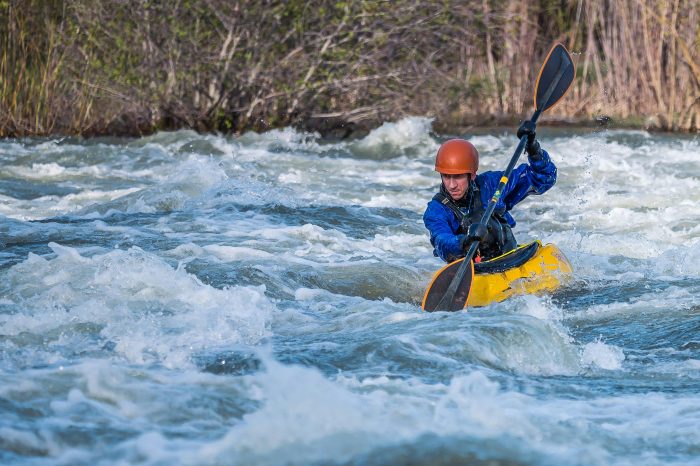
Kayaking with a pacemaker is a question that many people with cardiac devices want answered and that very few kayaking sites address. The short answer is that many people with pacemakers kayak regularly and safely, but returning to or starting kayaking with a pacemaker requires specific medical clearance and an understanding of the relevant considerations.
This guide covers what you need to discuss with your cardiologist, practical safety considerations for paddling with a pacemaker, and how to adapt your kayaking to suit your cardiac health.
Medical disclaimer: This article is intended as general practical information only. It is not a substitute for medical advice. Always consult your cardiologist before kayaking with a pacemaker or any other cardiac device. Individual circumstances vary significantly and only your cardiologist can advise on whether kayaking is appropriate for your specific condition and device.
Can You Kayak With a Pacemaker?
For many people with pacemakers whose underlying cardiac condition is well managed, recreational kayaking on calm water is considered a low to moderate intensity activity that is generally well tolerated. Kayaking is not an inherently high-risk activity for pacemaker recipients compared to high-impact or high-intensity sports.
That said, the answer depends significantly on the underlying cardiac condition that required the pacemaker, the type of pacemaker or cardiac device implanted, how well the condition is currently managed, and your overall cardiovascular fitness.
A pacemaker alone does not prevent kayaking for most people. The underlying cardiac condition and its current management are the more important factors in determining whether kayaking is appropriate.
Types of Cardiac Devices and Kayaking
Standard pacemaker
A standard pacemaker regulates heart rhythm by delivering electrical impulses when the heart beats too slowly. For most people with a standard pacemaker whose rhythm is well controlled, moderate recreational exercise including kayaking is generally appropriate once cleared by their cardiologist.
Implantable cardioverter defibrillator (ICD)
An ICD monitors heart rhythm and delivers a shock if a dangerous arrhythmia is detected. The considerations for kayaking with an ICD are more complex than for a standard pacemaker as the underlying condition requiring an ICD is typically more serious. Some people with ICDs are cleared for moderate recreational exercise including kayaking. Others are advised to avoid activities that could trigger an arrhythmia or where a shock from the device could cause a fall or loss of control. Discuss your specific situation carefully with your cardiologist.
Cardiac resynchronisation therapy (CRT) device
A CRT device is used for heart failure management and coordinates the contractions of the heart’s chambers. Kayaking with a CRT device depends on the severity of the underlying heart failure and your overall functional capacity. Discuss with your cardiologist.
What To Discuss With Your Cardiologist
Before kayaking with a pacemaker or other cardiac device, discuss the following specific questions with your cardiologist:
- Is moderate intensity recreational kayaking appropriate given your specific cardiac condition and device?
- What is your target heart rate range for exercise and how does kayaking intensity relate to it?
- Are there any specific movements or activities to avoid that could affect the device?
- What symptoms should prompt you to stop paddling immediately and seek medical assistance?
- Should you carry any specific medications or emergency equipment on the water?
- Are there any environmental factors such as cold water, heat, or exertion that are particularly relevant to your condition?
- Is it safe to paddle alone or should you always paddle with a companion?
Electromagnetic Interference and Pacemakers
A common concern for pacemaker recipients is whether electromagnetic interference from electronic devices on or near the kayak could affect the pacemaker. For recreational kayaking, this is generally not a significant concern.
Modern pacemakers are well shielded against most sources of electromagnetic interference encountered in everyday life. The electronic devices typically carried on a kayak including GPS units, fish finders, and mobile phones do not produce electromagnetic fields strong enough to interfere with a modern pacemaker at normal distances.
However, some specific equipment produces stronger electromagnetic fields that could potentially affect a pacemaker in very close proximity. High-powered electric motors, strong magnets, and certain medical equipment are the most relevant examples. Discuss any specific equipment concerns with your cardiologist or device clinic.
Physical Considerations for Kayaking With a Pacemaker
Exertion level – Kayaking intensity varies significantly from a gentle recreational paddle on calm water to a hard physical effort against wind and current. Most recreational kayaking on calm water is moderate intensity exercise that is well within the appropriate range for most people with pacemakers whose condition is managed.
Avoid pushing to maximum effort on the water. Paddle at a comfortable conversational pace where you can speak normally throughout. If you find yourself significantly out of breath or experiencing heart palpitations, slow down or stop and rest.
Cold water – Cold water immersion causes a sudden physiological response including changes in heart rate and blood pressure that are relevant for people with cardiac conditions. Dress appropriately for water temperature, avoid cold water capsize by choosing conditions carefully, and discuss the specific implications of cold water exposure with your cardiologist.
Read: Kayaking in Cold Weather
Upper body exertion – Paddling is primarily an upper body activity. Some cardiac conditions and surgical recoveries involve restrictions on upper body exertion, particularly in the period immediately after device implantation when the leads are still bedding in. Always follow your cardiologist’s specific guidance on upper body exertion restrictions.
Device implantation site – Most pacemakers and ICDs are implanted just below the left collarbone. The PFD shoulder strap passes directly over this area. Check that your PFD does not place uncomfortable pressure on the implantation site. A PFD with an adjustable shoulder strap or a low-profile design that sits away from the implant site may be more comfortable.
Read: 6 of the Best Life Jackets for Kayak Fishing — choosing a well-fitted PFD that doesn’t press on the implant site is worth spending time and money on.
Safety Precautions for Kayaking With a Pacemaker
Always paddle with a companion
Paddling with a companion is strongly recommended for anyone with a cardiac device. A companion can recognise the signs of a cardiac event, call for emergency assistance, and provide immediate support if needed. Never paddle alone with a pacemaker or ICD.
Tell your paddling companions – Brief your paddling companions on your cardiac condition, where your medical ID and device card are stored, and what to do if you experience symptoms on the water. Make sure they know to call emergency services immediately if you experience a cardiac event.
Wear a medical ID
Wear a waterproof medical ID bracelet or tag that identifies you as having a pacemaker or ICD and lists any relevant medications. In an emergency where you are unable to communicate, this information allows first responders to provide appropriate care immediately and avoid treatments that could interfere with your device.
Read: Best Waterproof Phone Cases for Kayaking — keeping a phone accessible and dry on the water is particularly important for paddlers with cardiac devices who may need to call for emergency assistance quickly.
Carry your device information card
Your device clinic will have provided an identification card with details of your specific pacemaker or ICD model. Carry this card in a waterproof case in your PFD pocket whenever you paddle.
Know the warning signs
Know the symptoms that should prompt you to stop paddling immediately and seek medical assistance. These typically include chest pain, significant shortness of breath disproportionate to your exertion level, dizziness, fainting or near-fainting, palpitations or awareness of an irregular heartbeat, and any shock from an ICD device.
Stay close to shore
Paddle close to shore on calm sheltered water, particularly when returning to kayaking after device implantation. Being close to shore reduces the distance to medical assistance if needed.
Read: Best GPS Trackers for Kayaks — a GPS tracker provides an additional safety layer for paddlers with cardiac conditions, allowing someone onshore to monitor your location during a session.
Returning to Kayaking After Pacemaker Implantation
If you are returning to kayaking after having a pacemaker or ICD implanted for the first time, the timing of return depends on the implantation procedure, the bedding-in period for the device leads, any underlying cardiac condition, and your cardiologist’s specific guidance.
Most cardiologists advise avoiding strenuous upper body activity for 4 to 6 weeks after device implantation to allow the leads to stabilise. Gentle recreational kayaking may be appropriate sooner than more demanding upper body activities but always follow your cardiologist’s specific timeline.
The first paddle after implantation should be short, on calm sheltered water close to shore, with a companion, and at a very gentle pace. Build up gradually over subsequent sessions as confidence and comfort develop.
Frequently Asked Questions (FAQs)
Can you kayak with a pacemaker?
Many people with pacemakers kayak regularly and safely. Whether kayaking is appropriate depends on the underlying cardiac condition, the type of device, and how well the condition is currently managed. Always get explicit clearance from your cardiologist before kayaking with a pacemaker and follow their specific guidance on activity levels and precautions.
Can electromagnetic interference from kayak electronics affect a pacemaker?
Modern pacemakers are well shielded against most sources of electromagnetic interference. The electronic devices typically used in kayaking including GPS units, fish finders, and mobile phones do not produce fields strong enough to affect a modern pacemaker at normal distances. Discuss any specific equipment concerns with your cardiologist or device clinic.
Can I kayak with an ICD?
Some people with ICDs are cleared for moderate recreational exercise including kayaking. Others are advised to avoid activities that could trigger an arrhythmia or where a shock from the device could cause loss of control on the water. The answer depends entirely on your specific cardiac condition and device settings. Discuss your situation carefully with your cardiologist.
How soon after pacemaker implantation can I kayak?
Most cardiologists advise avoiding strenuous upper body activity for 4 to 6 weeks after pacemaker implantation. Gentle recreational kayaking may be appropriate after this period but always follow your cardiologist’s specific timeline and get explicit clearance before returning to the water.
What should I do if my ICD fires while I am kayaking?
If your ICD delivers a shock while you are paddling, stop paddling immediately and paddle to shore or signal for assistance. Even if you feel well after a single shock, seek medical review on the same day. If you receive multiple shocks or feel unwell after a shock, call emergency services immediately.
Should I wear a medical ID when kayaking with a pacemaker?
Yes. A waterproof medical ID bracelet or tag identifying you as having a pacemaker or ICD and listing your medications is strongly recommended for any water activity. In an emergency, this information allows first responders to provide appropriate care and avoid treatments that could interfere with your device.
Final Thoughts
Kayaking with a pacemaker is possible for many people whose underlying cardiac condition is well managed and who have received explicit clearance from their cardiologist. The most important steps are getting medical clearance before paddling, always paddling with a companion, wearing a medical ID, knowing the warning signs that should prompt you to stop and seek help, and starting with short gentle sessions on calm water close to shore.
Many people with pacemakers find that kayaking becomes a regular and enjoyable part of their active lifestyle after device implantation. The low-impact nature of recreational paddling makes it one of the more accessible forms of exercise for people managing cardiac conditions.
Medical disclaimer: This article is intended as general practical information only. It is not a substitute for medical advice. Always consult your cardiologist before kayaking with a pacemaker or any other cardiac device.
For more on kayaking safely with health conditions, read kayaking with high blood pressure or heart disease for broader cardiac considerations on the water.