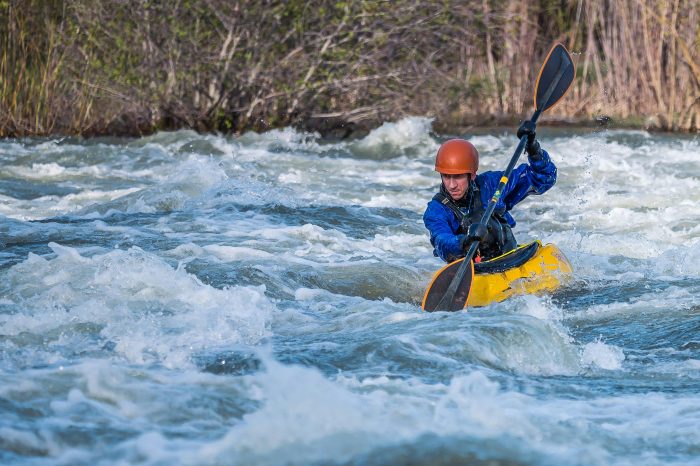
Kayaking is one of the most naturally well-suited outdoor activities for people with ADHD. The combination of physical movement, sensory stimulation, time in nature, and the engaging demands of reading the water and managing a kayak creates an environment where many people with ADHD find their focus, calm, and enjoyment in a way that structured indoor activities rarely provide.
This guide covers why kayaking works particularly well for people with ADHD, practical tips for making the most of paddling sessions, and safety considerations relevant to both adults and children with ADHD on the water.
Medical disclaimer: This article is intended as practical paddling advice. It is not a substitute for medical advice or professional ADHD support. Always consult your doctor before starting a new physical activity if you have any health conditions related to your ADHD diagnosis or treatment.
Why Kayaking Works Well for People With ADHD
Novel, engaging environment
ADHD brains are drawn to novelty and stimulation. The kayaking environment provides constant sensory input including the sound and feel of the water, the changing scenery, the physical sensation of paddling, and the need to respond to conditions on the water. This level of engagement naturally holds the attention of many people with ADHD in a way that repetitive, low-stimulation activities do not.
Physical movement
Physical exercise is one of the most consistently evidence-supported interventions for ADHD symptoms. Exercise increases dopamine and norepinephrine levels in the brain, the same neurotransmitters targeted by ADHD medications. Regular aerobic exercise improves focus, reduces impulsivity, and supports emotional regulation. Kayaking provides sustained moderate-intensity aerobic exercise that delivers these benefits in an environment that people with ADHD often find genuinely enjoyable rather than a chore.
Time in nature
Research on Attention Restoration Theory suggests that natural environments restore directed attention capacity in people with ADHD more effectively than urban or indoor environments. Time in green and blue spaces, the natural environments of lakes, rivers, and coastal waterways, has a measurable restorative effect on attention that supports focus and calm after the session as well as during it.
The flow state
Kayaking is well suited to producing flow states, the experience of complete absorption in an activity where self-consciousness and distraction fade and performance feels effortless. People with ADHD are often capable of intense focus when engaged in activities that match their interest and stimulation needs. Kayaking, with its combination of physical engagement, environmental responsiveness, and skill development, creates conditions where flow states occur naturally for many ADHD paddlers.
Clear, immediate feedback
Kayaking provides constant, immediate feedback. Every paddle stroke has a visible effect on the kayak’s movement. Every correction works or does not work immediately. This tight feedback loop suits the ADHD brain which responds better to immediate consequences than delayed ones. The cause-and-effect relationship of paddling is satisfying and motivating in a way that long-term or abstract goals are not.
Freedom from screens and structured demands
For many people with ADHD who spend significant time in screen-based or structured environments that challenge their attentional profile, the unstructured, screen-free, outdoor nature of kayaking provides a genuinely restorative contrast.
Practical Tips for Adults With ADHD
Choose varied routes and locations – Variety maintains engagement for ADHD paddlers. Paddling the same route repeatedly can become under-stimulating over time. Exploring new waterways, trying different locations, and setting small goals for each session such as reaching a specific landmark or identifying wildlife, maintains the novelty that keeps ADHD attention engaged.
Use the paddle as a focus anchor – When attention drifts during a paddle, bringing focus back to the physical sensations of the paddle stroke provides a practical mindfulness anchor. The feel of the paddle shaft, the resistance of the water on the blade, and the rhythm of the stroke are always available as focus points regardless of what the mind has drifted to.
Plan sessions with a clear structure – While kayaking is unstructured compared to indoor activities, having a rough plan for each session reduces the decision fatigue that can make starting feel overwhelming for ADHD adults. Knowing where you are launching from, roughly how far you plan to paddle, and when you plan to finish provides enough structure to reduce pre-session friction without constraining the session itself.
Manage time blindness on the water – Time blindness, the difficulty accurately perceiving the passage of time, is a common feature of ADHD and can result in paddling much further than planned and having insufficient energy for the return journey. Set a timer or watch alarm for the halfway point of your planned session so you know when to turn back regardless of how you are feeling.
Keep gear simple and consistent – ADHD and gear management can be a frustrating combination. A consistent, simple kit that lives in the same place and is checked with the same routine before every paddle reduces the likelihood of arriving at the water without essential items. A laminated checklist kept with your kayak gear is a practical tool.
Tell your paddling companion – If you paddle with others, letting them know about your ADHD means they understand if you want to change the plan mid-paddle, if you need more varied stimulation than a straight-line route provides, or if you occasionally need to stop and refocus before continuing.
Practical Tips for Children With ADHD
Kayaking can be a transformative activity for children with ADHD. The combination of physical engagement, outdoor environment, and achievable skill development provides a context where many ADHD children thrive in ways that are not always available in school or structured indoor settings.
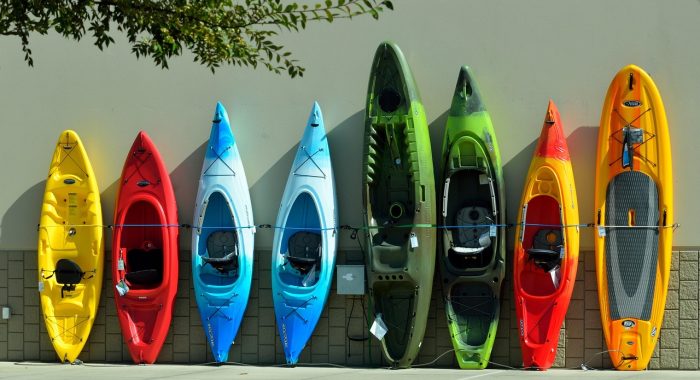
Start with sit-on-top kayaks – Wide, stable sit-on-top kayaks are the most appropriate choice for children with ADHD. The open deck means there is no enclosed cockpit to feel trapped in, entry and exit is easy, and the stability of a wide hull reduces the consequences of impulsive movements.
Keep initial sessions short – Start with 20 to 30 minute sessions and build up gradually. A session that ends while the child is still engaged and enjoying themselves creates a positive association with kayaking and appetite for the next session. A session that runs too long risks ending in frustration, boredom, or fatigue that creates negative associations.
Set small, achievable goals – Children with ADHD respond well to immediate, achievable goals. Paddling to a specific rock, spotting a particular bird, or reaching a small island gives a concrete target that maintains engagement and provides the satisfaction of achievement that ADHD brains respond well to.
Make it an adventure – Framing the paddle as an exploration or adventure rather than exercise or a lesson maintains engagement for ADHD children. Bringing a simple waterproof nature guide, looking for specific wildlife, or choosing locations with interesting features maintains novelty throughout the session.
Supervision and safety – Children with ADHD on the water require attentive adult supervision. Impulsivity is a core feature of ADHD and can result in sudden movements, leaning too far over the side, or attempting to stand in the kayak without warning. Always paddle close to a supervising adult and ensure the child wears a correctly fitted PFD at all times.
Read: Kayaking With Kids
ADHD Medications and Kayaking
Many people with ADHD take stimulant medications such as methylphenidate or amphetamine-based treatments. There are a few considerations relevant to kayaking for medicated ADHD paddlers.
Medication timing – Some ADHD medications wear off during a longer paddle session if taken in the morning. Awareness of when your medication is likely to wear off and planning session length accordingly reduces the risk of a significant change in focus and impulse control mid-paddle.
Appetite suppression and hydration – Stimulant ADHD medications commonly suppress appetite and can reduce awareness of thirst. Carry more water than you think you need and drink at regular intervals regardless of whether you feel thirsty. Dehydration on the water is a genuine safety concern and reduced thirst awareness amplifies this risk.
Heat sensitivity – Some ADHD medications increase sensitivity to heat. Paddle during cooler parts of the day in warm weather, wear sun-protective clothing, and take breaks in shaded areas during summer paddles.
Discuss with your doctor – If you have any questions about how your specific ADHD medication interacts with physical activity, water sports, or outdoor exercise, discuss them with your prescribing doctor before kayaking.
Safety Considerations for ADHD Paddlers
Always wear a PFD
A correctly fitted PFD is essential safety equipment for all paddlers but is particularly important for ADHD paddlers where impulsive movements or distraction-related incidents carry a higher capsize risk than for neurotypical paddlers. Make wearing a PFD a non-negotiable routine rather than a decision made each session.
Read: Best Life Jackets for Kayak Fishing
Paddle with a companion
Paddling with a companion is recommended for ADHD paddlers, particularly children and those new to kayaking. A companion provides safety backup, helps with navigation, and can redirect attention if focus drifts in a potentially unsafe direction.
Choose appropriate conditions
Stick to calm, sheltered water until paddling skills and water awareness are well established. ADHD-related impulsivity can lead to overestimating ability or underestimating conditions. A conservative approach to conditions builds a safe foundation for expanding into more varied environments over time.
Secure loose items
ADHD and loose gear on a kayak deck are a combination that frequently results in items going overboard. Secure all items in hatches or under bungee cords before launching. A dry bag for phones and valuables is essential.
Read: Best Dry Bags for Kayaking
Plan for impulsivity
ADHD impulsivity can manifest on the water as suddenly deciding to paddle toward something interesting without considering the return journey, the conditions, or the distance. Agreeing on boundaries before launching and using a halfway timer reduces the risk of impulsive decisions that create difficult situations on the water.
Kayaking Clubs and Groups for ADHD Paddlers
Structured kayaking clubs and groups can provide a beneficial framework for ADHD paddlers by offering external structure, social connection, and progressive skill development. Many paddling clubs welcome beginners and offer coached sessions that provide clear instruction and immediate feedback that suits the ADHD learning profile.
For children with ADHD, structured junior kayaking programmes offer skill development in a supervised environment with peers. The combination of physical activity, skill acquisition, and social engagement in a natural environment makes junior kayaking programmes a particularly beneficial activity for children with ADHD.
Frequently Asked Questions (FAQs)
Is kayaking good for people with ADHD?
Yes. Kayaking combines physical exercise, sensory stimulation, time in nature, and engaging skill demands in a way that suits many people with ADHD very well. The outdoor, movement-based, immediately responsive nature of kayaking creates conditions where ADHD paddlers often achieve focus and enjoyment that structured indoor activities do not provide. Regular kayaking also delivers the physical exercise that research consistently shows improves ADHD symptoms.
Can children with ADHD kayak safely?
Yes, with appropriate supervision, the right equipment, and sessions scaled to the child’s current ability and attention span. Wide, stable sit-on-top kayaks, correctly fitted PFDs, attentive adult supervision, short initial sessions, and small achievable goals all support safe and enjoyable kayaking for children with ADHD.
Does ADHD medication affect kayaking?
Some ADHD medications suppress appetite and thirst awareness, increase heat sensitivity, and may wear off during longer sessions. Staying well hydrated, paddling in cooler conditions during warm weather, and being aware of when medication is likely to wear off are the main practical considerations. Discuss any specific concerns with your prescribing doctor.
What type of kayak is best for someone with ADHD?
A wide, stable sit-on-top recreational kayak is the most appropriate starting point for most ADHD paddlers. The stability reduces the consequences of impulsive movements, the open deck means there is no cockpit to feel confined in, and the self-draining design reduces the consequences of water entering the boat. As skills develop, longer and more varied kayak types can be explored.
How long should a kayaking session be for someone with ADHD?
Start with 30 to 45 minute sessions and adjust based on engagement and enjoyment. Ending the session while still engaged and enjoying it creates positive associations and appetite for the next session. Using a timer for the halfway point prevents the time blindness that can result in paddling too far and having insufficient energy for the return journey.
Is kayaking better for ADHD than other sports?
Kayaking has specific features that suit many ADHD profiles well including its outdoor nature, sensory richness, immediate feedback, and the flow states it naturally produces. Whether it is better than other sports depends on the individual. Some ADHD people thrive in team sports, others in individual outdoor activities. The best activity is one that the person with ADHD genuinely enjoys and will do consistently.
Final Thoughts
Kayaking and ADHD are a natural combination. The outdoor environment, physical engagement, sensory stimulation, immediate feedback, and flow state potential of kayaking align well with how many ADHD brains work best. For children and adults with ADHD who have struggled to find physical activities they enjoy and will sustain, kayaking is worth trying.
The most important principles are to choose engaging, varied locations, keep initial sessions appropriately short, use simple consistent gear routines, paddle with a companion, and make safety equipment including a PFD a non-negotiable routine rather than a decision.
Medical disclaimer: This article is intended as practical paddling advice. It is not a substitute for medical advice or professional ADHD support. Always consult your doctor before starting a new physical activity if you have any health conditions related to your ADHD diagnosis or treatment.
For more on kayaking safely and enjoyably, read our guides on kayaking with kids and is kayaking dangerous.