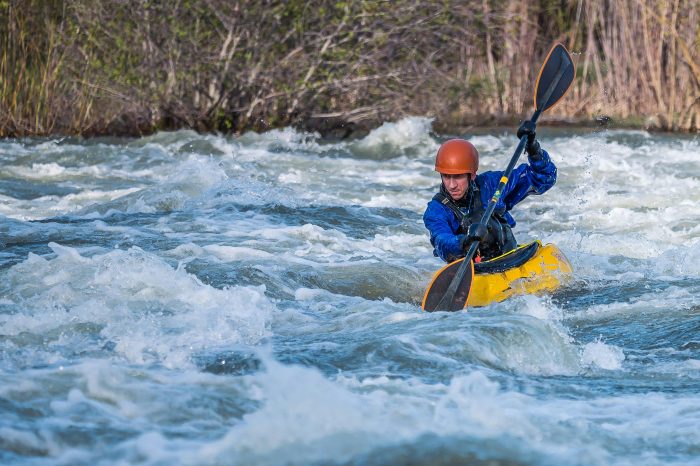
Kayaking with epilepsy is a topic that carries genuine safety considerations that most kayaking sites never address. Water and seizure disorders require careful thought because a seizure on the water without appropriate precautions carries serious risks. At the same time, many people with well-controlled epilepsy kayak regularly and safely with the right preparation and support.
This guide covers the key safety considerations for kayaking with epilepsy, what to discuss with your neurologist, and how to adapt your paddling to manage seizure risk on the water.
Medical disclaimer: This article is intended as practical paddling advice only. It is not a substitute for medical advice. Always consult your neurologist before kayaking with epilepsy. Whether kayaking is appropriate depends entirely on your specific seizure type, seizure frequency, how well your epilepsy is controlled, and your neurologist’s specific guidance. Never make decisions about water activities with epilepsy without medical clearance.
The Core Safety Consideration
The primary safety concern with epilepsy and kayaking is straightforward. A seizure on the water while alone, or even with companions who are unprepared, can result in loss of consciousness, falling from the kayak, and drowning. Even a brief absence seizure that causes a momentary loss of awareness can be dangerous on the water.
This does not mean kayaking is impossible with epilepsy. It means that the precautions required are more specific and more important than for most other health conditions covered in this series.
Who Can Kayak With Epilepsy
Whether kayaking is appropriate depends on several factors that only your neurologist can assess for your specific situation.
Well-controlled epilepsy – People whose epilepsy is well controlled with medication and who have been seizure-free for a significant period, typically one to two years or more depending on jurisdiction and medical guidance, are generally considered lower risk for water activities than those with frequent or unpredictable seizures.
Seizure type – The type of seizures you experience significantly affects the risk level of kayaking. Generalised tonic-clonic seizures involving loss of consciousness and convulsions carry the highest risk on the water. Absence seizures involving brief loss of awareness also carry significant risk. Focal aware seizures where consciousness is maintained may carry lower risk depending on the specific features of your seizures. Discuss your specific seizure type with your neurologist in the context of water activities.
Seizure warning – Some people experience an aura or warning before a seizure that gives them time to take a protective action. A reliable aura that provides sufficient warning to signal a companion and move to safety reduces but does not eliminate the risk of water activities.
Time since last seizure – Most neurologists and epilepsy organisations consider people who have been seizure-free for two or more years to be at lower risk for water activities. Many Australian states use seizure-free periods as a criterion for driving licensing which provides a practical reference point for activity risk assessment.
What To Discuss With Your Neurologist
Before kayaking with epilepsy, discuss the following specific questions with your neurologist:
- Is recreational kayaking on calm water appropriate given your specific seizure type, frequency, and control?
- What is the minimum seizure-free period they recommend before considering water activities?
- Are there specific seizure triggers such as heat, fatigue, or hyperventilation that are particularly relevant to kayaking environments?
- What precautions do they specifically recommend for water activities?
- Should you carry any emergency medication on the water and if so what and how?
- What symptoms or changes in your condition should prompt you to stop kayaking?
- Is there any specific advice about your current medication in relation to heat, sun exposure, or physical activity?
Essential Safety Precautions for Kayaking With Epilepsy
Never paddle alone – Paddling alone with epilepsy is not safe regardless of how well controlled your seizures are. Always paddle with at least one companion who knows about your epilepsy, knows what a seizure looks like for you specifically, and knows exactly what to do if one occurs on the water.
Your companion must be briefed – A companion who does not know what to do in a seizure emergency is significantly less useful than one who does. Before every paddle, brief your companion on:
- What your seizures look like including any warning signs or aura you experience
- What to do during a seizure including keeping your head above water, not restraining you, timing the seizure, and calling emergency services if it lasts more than five minutes
- What to do after a seizure including positioning you safely and monitoring recovery
- Where your medical ID and any emergency medication are stored
Wear a specialist water safety PFD – A standard PFD keeps a conscious person buoyant but may not keep an unconscious person’s airway clear of the water. A PFD with a higher back flotation rating and a design that supports the head above water provides significantly better protection in the event of loss of consciousness on the water. Discuss PFD options with your epilepsy nurse or neurologist.
Wear a medical ID at all times – Wear a waterproof medical ID bracelet or tag identifying you as having epilepsy, listing your seizure type, and including any emergency medication information. In an emergency where you are unable to communicate, this information allows first responders to provide appropriate care immediately.
Stay close to shore – Always paddle close to shore. In the event of a seizure, a companion needs to be able to get you to safety quickly. Being close to shore minimises the distance to solid ground and reduces the time spent in the water after a seizure.
Choose calm, shallow water – Start on calm, shallow water where the consequences of a seizure are more manageable than in deep open water. A shallow lake or slow river with easy shore access throughout the paddle provides a significantly safer environment than open coastal water or fast-moving rivers.
Avoid known seizure triggers – Identify your known seizure triggers and manage them carefully before and during a paddle. Common triggers relevant to kayaking include:
- Fatigue — avoid paddling when tired, keep sessions short, and maintain good sleep in the days before paddling
- Heat — avoid paddling in extreme heat, stay hydrated, and paddle during cooler parts of the day in summer
- Hyperventilation — avoid pushing to maximum exertion that causes rapid breathing
- Missed medication — never paddle on a day when you have missed a dose of your seizure medication
- Alcohol — never paddle on a day when alcohol has been consumed
- Photosensitive epilepsy — if light flicker is a trigger, polarised sunglasses significantly reduce glare and water reflection that can cause flickering light effects on the water surface
Have an emergency action plan – Agree on a clear emergency action plan with your companion before every paddle. The plan should cover what to do if a seizure occurs on the water, how to signal for help, and how to get you to shore safely. Practise the plan in a calm, controlled setting before you need to use it for real.
What To Do If a Seizure Occurs on the Water
This section is for paddling companions of people with epilepsy:
During the seizure:
- Support the person’s head above the water immediately
- Do not restrain the person but keep them from falling further into the water
- Keep the airway clear
- Note the time the seizure starts
- Call emergency services immediately if you are in any doubt about managing the situation safely
After the seizure:
- Get the person to shore as quickly as possible
- Place them in the recovery position on their side on a flat surface
- Stay with them until they are fully conscious and aware
- Do not give food or water until fully conscious
- Call emergency services if the seizure lasted more than five minutes, if another seizure follows, if the person does not regain consciousness within a few minutes, or if you have any concerns about their condition
- The person should not paddle again on the same day after a seizure
Medication Considerations for Kayaking
Many anti-epileptic medications have side effects relevant to outdoor water activities.
Drowsiness and coordination – Some anti-epileptic medications cause drowsiness or reduced coordination particularly when first starting or after a dose change. Do not kayak during a period of significant medication-related drowsiness or reduced coordination. Wait until your body has adjusted to the medication before returning to the water.
Sun sensitivity – Some anti-epileptic medications increase sensitivity to sunlight. Apply high-factor sunscreen before every paddle, wear UV-protective clothing, and wear a wide-brimmed hat.
Hydration – Some anti-epileptic medications affect hydration. Carry more water than you think you need and drink regularly throughout the paddle regardless of whether you feel thirsty.
Heat sensitivity – Some anti-epileptic medications reduce heat tolerance. Avoid paddling in extreme heat and take extra precautions in warm weather.
Discuss the specific side effects of your medication relevant to outdoor activity with your neurologist or pharmacist before kayaking.
Choosing the Right Kayak for Epilepsy
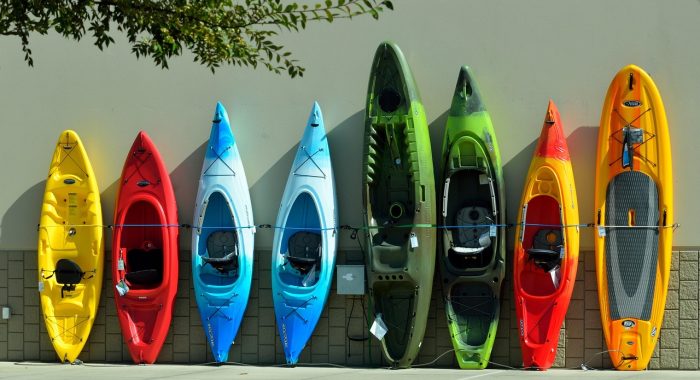
Wide, stable sit-on-top kayak – A wide, stable sit-on-top kayak is the most appropriate choice for paddlers with epilepsy. The open deck means there is no cockpit to become trapped in if a seizure occurs, which is a critical safety consideration. A sit-inside kayak with an enclosed cockpit is significantly more dangerous in the event of a seizure on the water.
Avoid narrow and high-performance kayaks – Narrow sea kayaks, whitewater kayaks, and other high-performance designs that require active balance correction are not appropriate for paddlers with epilepsy. The combination of reduced stability and an enclosed cockpit creates unacceptable risk in the event of a seizure.
Inflatable kayaks – Wide inflatable kayaks with an open deck are a practical option for epilepsy paddlers as they are stable, have no enclosed cockpit, and are lighter and easier to manage than hardshell alternatives.
Read: Best Inflatable Kayaks Under USD$500
Epilepsy and Swimming vs Kayaking
A common question is whether kayaking is safer than swimming for people with epilepsy. The answer depends on the specific precautions in place.
Swimming in open water alone with epilepsy carries very high risk as a seizure in the water without support is rapidly life-threatening. Kayaking with a prepared companion, appropriate PFD, and close proximity to shore provides more support structures than unsupervised swimming.
That said, both activities require medical clearance and appropriate precautions. Neither should be undertaken without neurologist guidance for people with active or poorly controlled epilepsy.
Epilepsy and Water Safety Resources
Epilepsy organisations provide specific water safety guidance for people with epilepsy. Before kayaking, consult the resources available through:
- Epilepsy Action Australia — epilepsy.org.au/resources
- Epilepsy Foundation (US) – epilepsy.com
- Your national/state epilepsy organisation – most states have dedicated epilepsy support organisations with specific activity guidance.
Frequently Asked Question (FAQs)
Can you kayak with epilepsy?
Many people with well-controlled epilepsy kayak safely with appropriate precautions. The key requirements are neurologist clearance, always paddling with a briefed companion, wearing a suitable PFD, staying close to shore on calm water, avoiding known seizure triggers, and having a clear emergency action plan. Never kayak with epilepsy without explicit medical clearance.
How long after a seizure can you kayak?
Most neurologists advise waiting until epilepsy is well controlled, typically seizure-free for a significant period, before undertaking water activities. After any individual seizure do not paddle on the same day. Discuss the specific waiting period appropriate for your situation with your neurologist.
What type of PFD should someone with epilepsy wear kayaking?
A PFD with a higher back flotation rating that helps keep an unconscious person’s head above water provides better protection than a standard recreational PFD. Discuss PFD options specifically for epilepsy with your neurologist or epilepsy nurse.
What should a paddling companion do if someone has a seizure on the water?
Support the person’s head above water immediately, keep their airway clear, do not restrain them, note the time the seizure starts, and call emergency services if the seizure lasts more than five minutes or if you have any concerns. Get the person to shore as quickly as possible after the seizure and place them in the recovery position.
Is a sit-on-top or sit-inside kayak safer for epilepsy?
A sit-on-top kayak is significantly safer for people with epilepsy. The open deck means there is no enclosed cockpit to become trapped in if a seizure occurs on the water. A sit-inside kayak with an enclosed cockpit is more dangerous in the event of a seizure.
Are there specific seizure triggers to avoid when kayaking?
Common seizure triggers relevant to kayaking include fatigue, heat, missed medication, hyperventilation from maximum exertion, and for people with photosensitive epilepsy, flickering light from water reflection. Manage all known triggers carefully before and during any paddle session.
Final Thoughts
Kayaking with epilepsy is possible for many people whose seizures are well controlled and who take a careful, well-prepared approach. The non-negotiable requirements are neurologist clearance, a briefed and prepared companion on every paddle, a suitable PFD, calm water close to shore, and careful management of seizure triggers.
The stakes of inadequate preparation are higher for epilepsy than for most other conditions covered in this series. Taking the preparation seriously is what makes the activity safe and enjoyable.
Medical disclaimer: This article is intended as practical paddling advice only. It is not a substitute for medical advice. Always consult your neurologist before kayaking with epilepsy. Never make decisions about water activities with epilepsy without explicit medical clearance.
For more on kayaking safely with health conditions, read our guides on kayaking with a pacemaker and is kayaking dangerous.