Kayak camping combines two genuinely rewarding outdoor pursuits into one trip, but it comes with a packing challenge unlike backpacking or car camping. Every item has to fit through a hatch or under deck bungees, survive being splashed or submerged, and not throw off the kayak’s balance once loaded.
This guide covers what to actually pack for an overnight or multi-day kayak camping trip, how to think about weight and waterproofing, and the gear that makes the difference between a comfortable trip and an uncomfortable one.
How Kayak Camping Packing Is Different
Everything must be waterproof or in a waterproof bag – Unlike a car or a backpack with a rain cover, a kayak hatch or deck is exposed to splash, rain, and the occasional capsize. Anything that cannot get wet needs to be in a dedicated dry bag, not just a backpack with a liner.
Weight needs to be distributed, not just minimised – Kayak camping is more forgiving of total weight than backpacking, since the kayak carries the load rather than your back. What matters more is distributing weight evenly between bow and stern hatches to maintain trim and stability, and keeping heavier items low and central.
Packing shape matters as much as packing weight – Kayak hatches are often irregular shapes with limited opening size. Soft dry bags that can be squeezed and shaped into awkward compartments are generally more practical than rigid boxes, except for items that genuinely need crush protection.
Read: What Size Dry Bag Do I Need for Kayaking?
Shelter and Sleep
Tent – A lightweight backpacking tent works well for kayak camping. Look for one that packs down small enough to fit through a hatch opening, since hatch openings are often narrower than a typical dry bag allows for rigid items.
Sleeping bag rated for the conditions – Choose a sleeping bag rated for temperatures a few degrees below what you expect, since exposed campsites near water are often cooler overnight than inland equivalents. A compression dry bag keeps it both protected and packed down small.
Sleeping mat – An inflatable sleeping mat packs smaller than a foam mat and provides better insulation from the ground, which matters more on cool nights near water than it might seem.
Dry bag for sleep system – Pack the tent, sleeping bag, and mat together in one larger dry bag dedicated to sleep gear, keeping it separate from food and cooking gear so the compartments stay organised and you are not searching through everything to find one item.
Cooking and Food
Compact camp stove – A small canister stove is the most practical option for kayak camping, being lightweight, fast to set up, and not requiring an open fire which may not be permitted at all campsites.
Cookware sized for the trip – A single pot or compact cookset is sufficient for most solo or two-person kayak camping trips. Avoid bringing a full cookware set that adds unnecessary weight and bulk.
Food in waterproof, sealed packaging – Repackage food into waterproof containers or sealed bags rather than relying on original packaging, which is rarely fully waterproof. Dehydrated or freeze-dried meals are popular for kayak camping due to their light weight and minimal packaging.
Water storage and purification – Carry more water than you expect to need, or bring a water filter or purification tablets if refilling from natural sources along the route. Water is heavy, so balancing how much to carry against how much can be sourced along the way is worth planning carefully.
Read: Best Kayak Coolers if shorter trips with perishable food are part of the plan.
Navigation and Safety
Map and backup navigation – Carry a waterproof map of the route alongside any GPS device or phone navigation, since electronics can fail or run out of battery. Knowing the route on paper is a valuable backup.
GPS tracker – A GPS tracker provides both a safety net if separated from the kayak and a way for someone on shore to monitor progress on a multi-day trip.
Read: Best GPS Trackers for Kayaks
Waterproof phone case – A reliable waterproof phone case protects the phone for navigation, photos, and emergency communication throughout the trip.
Read: Best Waterproof Phone Cases for Kayaking
First aid kit – A compact first aid kit packed in a small dry bag covers the basics for cuts, blisters, and minor injuries that are more likely on a multi-day trip than a short paddle.
Headlamp or kayak lights – A headlamp is essential for camp tasks after dark, and kayak lights are required if any paddling happens during low light or at night.
Read: Best Kayak Lights for Night Paddling
Clothing
Quick-dry layers – Pack quick-dry clothing rather than cotton, which stays wet and uncomfortable once damp. A spare set of dry clothes kept in its own dedicated dry bag for camp, separate from paddling clothes, is worth the extra bag.
Insulating layer for evenings – Temperatures often drop noticeably once off the water in the evening. A packable insulating layer makes camp significantly more comfortable.
Rain layer – A lightweight waterproof jacket covers both paddling in rain and unexpected weather at camp.
Hat and sun protection – Sustained sun exposure on the water is intense. A wide-brimmed hat and high-factor sunscreen are worth packing even on overcast days.
Read: Best Kayaking Hats for Ultimate Sun Protection
Kayak-Specific Gear
Spare paddle – A breakdown or spare paddle strapped to the deck is worth carrying on any multi-day trip, given the consequences of losing or breaking the only paddle far from the put-in point.
Read: Paddle Leashes for Kayaking
Repair kit – A small repair kit including duct tape, a multi-tool, and any kayak-specific repair items relevant to the hull material covers most minor on-trip fixes.
Kayak cart – A kayak cart makes portaging around obstacles or moving the loaded kayak at camp significantly easier than carrying it.
Read: Best Kayak Carts and Trolleys
Packing the Kayak
Pack heaviest items low and central – Place the heaviest gear, such as water and food, low in the hull and as close to the centre of the kayak as possible to maintain stability and trim.
Balance bow and stern – Distribute weight reasonably evenly between the front and rear hatches rather than loading one end significantly heavier than the other, which affects how the kayak tracks and handles in wind.
Pack frequently needed items accessibly – Keep items needed during the day, such as snacks, water, sunscreen, and a map, in a deck bag or easily reachable compartment rather than buried in a rear hatch.
Do a test pack before departure – Pack the kayak fully before the trip to confirm everything fits and check the kayak’s balance on the water with a full load, rather than discovering a packing problem on the first day of the trip.
A Sample Packing Checklist
Shelter and sleep: tent, sleeping bag, sleeping mat
Cooking: stove, fuel, cookware, food, water or filtration
Navigation and safety: map, GPS tracker, phone in waterproof case, first aid kit, headlamp
Clothing: quick-dry layers, insulating layer, rain layer, hat, spare dry clothes
Kayak-specific: spare paddle, repair kit, kayak cart for portaging
Frequently Asked Questions (FAQs)
How do I keep my gear dry while kayak camping?
Use dedicated dry bags for every item that cannot get wet rather than relying on a backpack or original packaging. Group items by category, such as sleep gear, food, and clothing, into separate dry bags for organisation as well as protection.
How much weight can I bring kayak camping compared to backpacking?
Kayaks generally tolerate more total weight than a backpacker can carry, since the kayak bears the load rather than your body. The bigger consideration is distributing weight evenly for stability rather than minimising total weight as aggressively as backpacking requires.
What is the most important item to pack for kayak camping?
Water and a reliable means of purifying or carrying enough of it is generally the most critical item, alongside a properly fitted PFD and navigation backup. Beyond survival basics, a comfortable sleep system makes the biggest difference to trip enjoyment.
Do I need a special kayak for kayak camping?
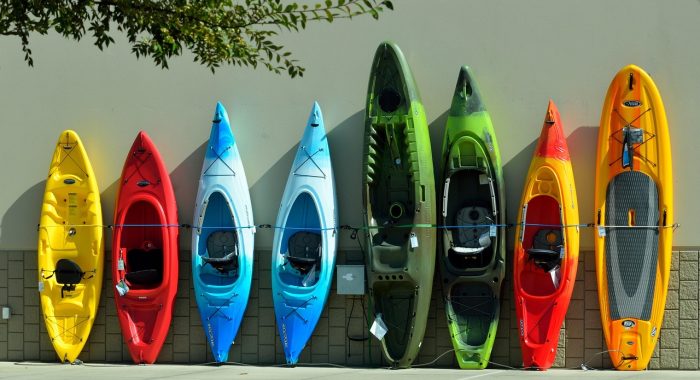
A touring or sea kayak with sealed bow and stern hatches is the most practical choice for kayak camping, since it provides dry, separated storage compartments. Recreational kayaks with limited storage can work for very short overnight trips with minimal gear.
A folding or collapsible kayak is also worth considering for kayak camping, particularly for paddlers who travel to their put-in point by public transport or without roof rack access. Folding kayaks pack into a bag or case, can be checked as luggage on flights or trains, and perform more like a hardshell on the water than an inflatable. They tend to be heavier and more expensive than inflatables but are a genuinely practical option for remote or travelling kayak campers.
Read: Best Folding and Collapsible Kayaks
How do I pack a kayak for good balance?
Place the heaviest items low and central in the hull, distribute weight evenly between bow and stern hatches, and keep frequently needed items in an accessible deck bag rather than buried in a hatch. Test the loaded kayak’s balance before departure.
Final Thoughts
Kayak camping packing comes down to waterproofing everything, distributing weight thoughtfully, and choosing gear that fits through hatch openings without sacrificing comfort. A well-organised dry bag system by category, a test pack before departure, and the kayak-specific extras like a spare paddle and repair kit make the difference between a smooth trip and a stressful one.
For more on kayak camping and multi-day trips, read our guides on best dry bags for kayaking and how to choose a kayak.