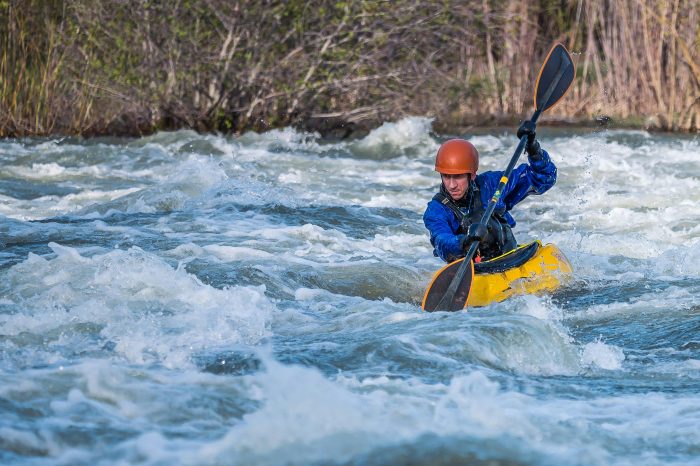
Kayaking with fibromyalgia requires careful management of the two defining features of the condition: widespread pain and persistent fatigue. When approached thoughtfully, kayaking can be one of the most suitable outdoor activities for people with fibromyalgia. The low-impact seated position, the gentle rhythmic paddle stroke, the calming effect of being near water, and the self-directed pace make it more accessible than most land-based exercise options.
This guide covers the specific pain and fatigue management strategies, practical adaptations, and safety considerations that make kayaking with fibromyalgia safe and sustainable.
Medical disclaimer: This article is intended as practical paddling advice. It is not a substitute for medical advice. Always consult your doctor or rheumatologist before kayaking with fibromyalgia, particularly if your symptoms are poorly controlled or you have recently changed your medication. Follow their specific guidance on physical activity and pain management.
Why Kayaking Suits People With Fibromyalgia
Low impact on the joints and muscles
The seated paddling position places minimal load on the hips, knees, and lower limbs. The forward paddle stroke works the upper body through a smooth, low-impact range of motion that most people with fibromyalgia tolerate better than high-impact activities like running or gym-based exercise. The buoyancy of the water provides a forgiving environment that reduces the jarring impact that worsens fibromyalgia pain in land-based activities.
Self-directed pace and intensity
Fibromyalgia symptoms vary significantly from day to day and even hour to hour. Kayaking intensity is entirely self-directed. A very gentle paddle on a difficult day is always an option. A more sustained paddle on a better day is available when symptoms allow. This flexibility suits the unpredictable nature of fibromyalgia far better than structured exercise programmes with fixed intensity requirements.
Aquatic environment benefits
Time near water is consistently associated with reduced stress, lower cortisol levels, and improved mood. For people with fibromyalgia where psychological wellbeing and stress management are significant components of symptom management, the calming environment of a lake or river provides benefits beyond the physical exercise itself.
Gentle aerobic exercise
Regular gentle aerobic exercise is one of the most consistently recommended non-pharmacological interventions for fibromyalgia. It reduces pain sensitivity over time, improves sleep quality, and supports mood regulation. Kayaking provides sustained gentle aerobic exercise in a form that many people with fibromyalgia find more enjoyable and less painful than walking or cycling.
Pain Management for Kayaking With Fibromyalgia
Identify your personal pain triggers – Fibromyalgia pain varies between individuals. Common triggers relevant to kayaking include cold temperatures, sustained grip, repetitive upper body movements, and fatigue. Identifying your specific triggers before paddling helps you choose appropriate conditions, equipment, and session length.
Warm up before launching – A gentle five to ten minute warm-up before launching reduces pain and stiffness at the start of the paddle. Focus on slow shoulder circles, gentle wrist rotations, and easy neck movements. Cold, stiff joints and muscles are more vulnerable to pain during paddling than warmed-up ones.
Paddle in warmer conditions and dress warmly in layers – Warm, mild days are significantly more comfortable for fibromyalgia paddlers than cold ones. Aim for paddling in conditions where both air and water temperatures are comfortable. Dress in moisture-wicking base layers, an insulating mid layer, and a windproof outer layer. Keep the hands and wrists warm with neoprene gloves as cold hands worsen grip pain significantly.
Avoid cold water immersion – Cold water immersion worsens fibromyalgia pain acutely. Choose calm conditions where capsize risk is very low and stay close to shore where getting out of the water quickly is always possible.
Read: Kayaking in Cold Weather
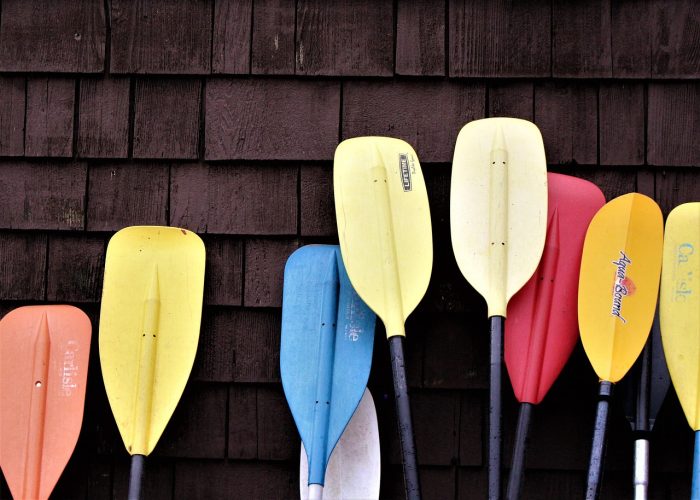
Choose a lightweight paddle with comfortable grips – Sustained grip on a paddle shaft is one of the most common sources of hand and wrist pain for fibromyalgia paddlers. A lightweight paddle reduces the effort required per stroke. Foam or rubber grip tape wrapped around the shaft reduces grip force and cushions vibration. An ergonomic bent-shaft paddle reduces wrist deviation during the stroke which further reduces hand and wrist pain.
Read: Best Kayaking Gloves
Take regular rest breaks – Stop and rest every 20 to 30 minutes during a paddle. Shake out the hands, roll the shoulders, and stretch the wrists gently. Brief rest breaks prevent the cumulative muscle tension that leads to pain escalation during longer sessions.
Manage medication timing – If you take pain medication for fibromyalgia, consider timing your paddle to coincide with when your medication is most effective. Paddling at peak medication effectiveness reduces pain during the session. Discuss medication timing in relation to physical activity with your doctor.
Know when to stop – Fibromyalgia pain can escalate quickly during physical activity if early warning signs are ignored. Know the difference between the mild discomfort of gentle exercise and the escalating pain that signals you have pushed too far. Act on early pain escalation signs by heading to shore rather than pushing through.
Fatigue Management for Kayaking With Fibromyalgia
Fibromyalgia fatigue is distinct from ordinary tiredness. Like ME/CFS-related fatigue, it can be profound and can worsen with exertion that exceeds your current capacity. However, the relationship between activity and fatigue in fibromyalgia is different from ME/CFS. Gentle, regular exercise generally improves fibromyalgia fatigue over time rather than worsening it, provided the activity level stays within manageable limits.
Start short and build gradually – Start with sessions of 20 to 30 minutes and build up in small increments as your tolerance develops. There is no benefit to pushing beyond what your energy allows and doing so risks a significant fatigue episode on the water.
Paddle in the morning when energy is typically higher – Many people with fibromyalgia find their energy is best in the morning before the accumulated fatigue of the day sets in. Morning paddles on calm water tend to be more manageable than afternoon or evening sessions.
Avoid paddling after demanding activities – Paddling when already fatigued from other activities compounds the risk of a fibromyalgia fatigue episode on the water. Schedule paddles for times when you are reasonably rested and avoid back-to-back demanding activities on the same day.
Plan for the return journey – Always plan to turn back at the halfway point of your energy reserves rather than the halfway point of the distance. The return paddle against wind or current when fatigued is the most common cause of exhaustion on the water for fibromyalgia paddlers.
Sleep and Paddling With Fibromyalgia
Sleep disturbance is a core feature of fibromyalgia and affects both pain and fatigue levels. Paddling when significantly sleep deprived worsens both pain sensitivity and fatigue risk on the water. Avoid paddling after nights of very poor sleep and prioritise sleep management as part of your overall approach to kayaking with fibromyalgia.
Conversely, regular gentle aerobic exercise including kayaking improves sleep quality over time for many people with fibromyalgia. A sustainable paddling routine that does not trigger pain flares can contribute to better sleep which in turn improves pain and fatigue management.
Choosing the Right Kayak for Fibromyalgia
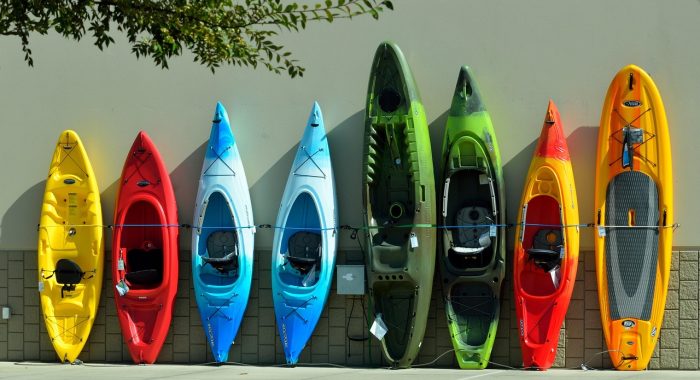
Wide, stable sit-on-top kayak – A wide, stable sit-on-top kayak is the most appropriate choice for most people with fibromyalgia. The open deck makes entry and exit significantly easier than a sit-inside design, the stable hull reduces the active balance correction that tires muscles quickly, and the self-draining design means water on the deck drains away without requiring action.
Well-padded seat with lumbar support – A comfortable, well-padded seat with proper lumbar support is one of the most important equipment choices for fibromyalgia paddlers. Poor seat support increases lower back and hip pain significantly during longer sessions. An aftermarket seat with adjustable back support and thick padding is worth the investment.
Read: Best Kayak Seats
Inflatable kayak – An inflatable kayak is a practical option for fibromyalgia paddlers who need to minimise the physical demands of transporting and launching. The lighter weight and bag-based transport reduces the pre and post-paddle physical demands significantly.
Read: Best Inflatable Kayaks Under USD$500
Kayak cart – A kayak cart eliminates carrying the kayak to and from the water which is one of the most physically demanding parts of the activity for people with fibromyalgia-related fatigue and pain.
Safety Considerations
Always paddle with a companion – Paddling alone with fibromyalgia is not recommended. Pain escalation and fatigue can develop unexpectedly on the water. A companion provides practical assistance, emotional support, and the ability to call for help if needed. Always paddle with at least one companion who knows about your fibromyalgia and what to do if symptoms worsen on the water.
Wear a medical ID – Wear a waterproof medical ID identifying your condition and any relevant medications. In an emergency where you are unable to communicate, this information helps first responders provide appropriate care.
Have an emergency plan – Agree on a clear plan with your companion before every paddle covering what to do if pain escalates significantly or fatigue becomes overwhelming on the water.
Fibromyalgia and the Benefits of Regular Paddling
Unlike some conditions where the goal is simply to manage activity safely without worsening symptoms, regular gentle kayaking can actually improve fibromyalgia symptoms over time. Research consistently shows that regular low-intensity aerobic exercise reduces pain sensitivity, improves sleep quality, reduces fatigue, and supports mood regulation in people with fibromyalgia.
The key is finding the right level of activity that provides these benefits without triggering a pain flare. This level is different for every person with fibromyalgia and is found through careful self-monitoring and gradual progression rather than fixed guidelines.
Resources for Fibromyalgia Paddlers
Australia:
- Arthritis Australia – arthritisaustralia.com.au — covers fibromyalgia as well as arthritis conditions and provides activity guidance
- Fibromyalgia Australia — fibromyalgiaaustralia.com — support and information for people with fibromyalgia in Australia
United Kingdom:
- Fibromyalgia Action UK — fmauk.org — comprehensive fibromyalgia resources including exercise guidance
United States:
- National Fibromyalgia Association — fmaware.org — patient resources and activity guidance
- American Chronic Pain Association — theacpa.org — practical living resources for people with chronic pain conditions including fibromyalgia
Frequently Asked Questions (FAQs)
Is kayaking good for fibromyalgia?
Yes. Regular gentle kayaking can improve fibromyalgia symptoms over time by reducing pain sensitivity, improving sleep quality, and supporting mood regulation. The key is finding the right activity level that provides these benefits without triggering a pain flare, which requires careful self-monitoring and gradual progression. Always consult your doctor before starting.
What type of kayak is best for someone with fibromyalgia?
A wide, stable sit-on-top kayak with a well-padded seat with lumbar support is the most appropriate choice. The stable hull reduces active balance demands that tire muscles quickly, the open deck makes entry and exit easier, and a quality seat reduces lower back and hip pain during the paddle.
How do I manage hand and wrist pain while kayaking with fibromyalgia?
Choose a lightweight paddle and wrap the shaft with foam or rubber grip tape to reduce grip force and cushion vibration. Wear neoprene gloves in cooler conditions to keep the hands warm. Take regular rest breaks every 20 to 30 minutes to shake out the hands and roll the shoulders.
How long should a kayaking session be with fibromyalgia?
Start with 20 to 30 minutes and build up gradually as tolerance develops. Session length should be guided by your pain and fatigue response during and after each paddle rather than any fixed recommendation. Stop well before pain begins to escalate rather than paddling to the point of significant pain.
Does cold weather make fibromyalgia worse while kayaking?
Yes. Cold is one of the most common fibromyalgia pain triggers and cold air and water worsen muscle stiffness and pain for many people with fibromyalgia. Paddle in warmer conditions where possible, dress in warm layers, keep the hands warm with neoprene gloves, and avoid conditions where cold water capsize is likely.
Can kayaking improve fibromyalgia symptoms over time?
Yes. Regular gentle aerobic exercise is one of the most consistently recommended non-pharmacological interventions for fibromyalgia. Regular gentle kayaking that stays within your pain and energy tolerance can reduce pain sensitivity, improve sleep quality, and support mood over time. The improvement is gradual and requires consistency rather than intensity.
Final Thoughts
Kayaking with fibromyalgia is not only possible but can be genuinely beneficial when approached with the right equipment, realistic expectations, and careful self-monitoring. The most important principles are to choose a lightweight paddle with comfortable grips, use a well-padded seat with lumbar support, start with short sessions, take regular rest breaks, avoid cold conditions, and always paddle with a companion.
The flexibility and self-directed nature of kayaking make it one of the most adaptable activities available to people with fibromyalgia. A session that is short and gentle on a difficult day and longer and more sustained on a better day can be the same activity managed entirely to suit your current symptom level.
Medical disclaimer: This article is intended as practical paddling advice. It is not a substitute for medical advice. Always consult your doctor or rheumatologist before kayaking with fibromyalgia.
For more on kayaking safely with health conditions, read our guides on kayaking with arthritis and kayaking with chronic fatigue syndrome.