Kayaking with chronic fatigue syndrome, also known as ME/CFS, requires a more careful approach to energy management than almost any other health condition covered in this series. The defining feature of ME/CFS, post-exertional malaise, means that exceeding your energy limits during a paddle can trigger a significant worsening of symptoms that lasts days or weeks rather than hours.
That said, many people with ME/CFS do paddle successfully and find kayaking one of the most accessible forms of physical activity available to them. The seated position, the self-directed pace, and the ability to stop and rest at any point make kayaking more manageable than most land-based activities for people managing ME/CFS.
This guide covers the specific energy management strategies, practical preparation steps, and safety considerations that make kayaking with ME/CFS safe and sustainable.
Medical disclaimer: This article is intended as practical paddling advice. It is not a substitute for medical advice. Always consult your doctor before kayaking with ME/CFS. The guidance in this article is general and does not replace personalised advice from a medical professional familiar with your specific condition and current functional capacity.
Understanding Post-Exertional Malaise and Kayaking
Post-exertional malaise (PEM) is the hallmark symptom of ME/CFS. It is a worsening of symptoms triggered by physical, cognitive, or emotional exertion that exceeds the individual’s energy envelope. PEM is not ordinary exercise fatigue. It can be triggered by activity levels that seem minor and can result in days or weeks of significantly worsened symptoms including profound fatigue, pain, cognitive difficulties, and flu-like feelings.
For kayaking, this means that pushing beyond your current energy capacity, even once, can set back your overall condition significantly. The principle of staying well within your energy envelope is more critical for ME/CFS than for any other condition in this series.
The goal of kayaking with ME/CFS is not to build fitness through progressive overload as it would be for a healthy person. It is to find a level of activity that is genuinely within your current capacity and to stay consistently below that threshold.
Is Kayaking Appropriate for ME/CFS?
Kayaking is not appropriate for everyone with ME/CFS. People with severe ME/CFS who are largely housebound or bedbound should not attempt kayaking. People with moderate ME/CFS need to carefully assess their current functional capacity and discuss kayaking specifically with their doctor before attempting it.
People with mild to moderate ME/CFS who can tolerate moderate physical activity without triggering PEM may find kayaking a genuinely manageable and enjoyable activity when approached with strict energy management principles.
The key question is not whether you feel well enough to paddle on the day but whether you have the energy reserves to paddle and recover without triggering PEM. These are different questions and the answer to the second one requires knowing your baseline energy envelope well.
The Energy Envelope Approach
The energy envelope is the total amount of physical, cognitive, and emotional energy available on a given day. Staying within the energy envelope means using less energy than is available, not using all available energy, and never exceeding it.
For kayaking, this means you need to:
- Assess your energy before launching – Before every paddle, honestly assess your energy level on a scale of one to ten. Most ME/CFS specialists recommend only paddling when your energy is at seven or above. Paddling at five or six risks pushing into PEM territory even with a short, gentle session.
- Use only a fraction of available energy – The general principle for ME/CFS activity management is to use no more than 50 to 70 percent of available energy on any given activity. For kayaking this means stopping well before you feel tired rather than paddling until fatigue sets in.
- Build in recovery time – Plan for rest after every paddle session. A 30 minute paddle may require two to three hours of rest afterwards. Build this recovery time into your schedule before committing to a paddle session.
- Track your response over time – Keep a simple diary recording the session length, how you felt during the paddle, and how you felt in the 24 to 48 hours afterwards. This tracking identifies your personal safe activity threshold more accurately than any general guide can.
Practical Tips for Kayaking With ME/CFS
Start extremely short – The first paddling sessions should be genuinely short. For many people with ME/CFS, 10 to 15 minutes is the appropriate starting point. This may feel frustratingly brief but it is far better to finish a short session feeling well than to trigger PEM with a longer one. Build up in very small increments only when you have established that the current duration is consistently well tolerated without triggering PEM. An increase of five minutes per session every two to three weeks is a conservative and appropriate pace.
Choose the flattest, calmest water available – Current, wind, and chop all increase the effort required to paddle. Choose the calmest, flattest water available to minimise the energy demanded by environmental conditions. A small, sheltered lake on a calm day is the most appropriate environment for ME/CFS paddling.
Paddle at a genuinely gentle pace – Paddle at a pace where you could hold a full conversation comfortably throughout. If you find yourself breathing harder than normal conversation allows, slow down. A very gentle paddling pace uses significantly less energy than a moderate one and makes the difference between a session that is within your energy envelope and one that exceeds it.
Choose a lightweight paddle – A lighter paddle reduces the energy required per stroke. Over a 15 to 30 minute session, the difference between a heavy aluminium paddle and a lightweight carbon fibre alternative is meaningful for someone with ME/CFS. Choose the lightest paddle available within your budget. Read: Best Kayak Paddles Under USD$100.
Minimise pre-paddle exertion – The energy used getting to the water, carrying gear, and launching the kayak counts toward your daily energy envelope just as much as the paddling itself. Use a kayak cart to transport the kayak, choose a launch point close to parking, and keep the setup process as simple as possible.
Read: Best Kayak Carts and Trolleys — a cart is particularly valuable for ME/CFS paddlers, eliminating one of the most energy-draining parts of the activity before even getting on the water.
Paddle close to shore – Always paddle within easy reach of shore so you can return quickly if fatigue builds unexpectedly. Never paddle to a point from which you cannot return using only a fraction of your current energy reserves.
Have a companion present – Always paddle with a companion who understands ME/CFS and knows what to do if you need to stop and rest on the water or return to shore more quickly than planned. A companion can also assist with launch and retrieval which reduces pre and post-paddle energy expenditure.
Read: Best Waterproof Phone Cases for Kayaking — keeping a phone accessible and protected is particularly important for ME/CFS paddlers who may need to call for assistance if symptoms worsen unexpectedly on the water.
Heat and ME/CFS
Heat intolerance is common in ME/CFS and can worsen symptoms significantly. Like MS-related heat sensitivity, even a modest rise in core body temperature can trigger or worsen ME/CFS symptoms including fatigue, cognitive difficulties, and pain.
Paddle during the cooler parts of the day, avoid paddling in direct sun during warm weather, wear lightweight UV-protective clothing, and carry adequate water. If you notice symptoms worsening during a warm weather paddle, stop and cool down immediately.
Cognitive Fatigue and Safety
ME/CFS affects cognitive function as well as physical capacity. Cognitive fatigue, sometimes called brain fog, can affect concentration, decision-making, and spatial awareness on the water. Paddling when cognitive fatigue is significant is a safety risk.
Do not paddle on days when cognitive fatigue is pronounced. On days when mild brain fog is present, stick to very familiar, simple routes on calm water close to shore where the navigation and decision demands are minimal.
The Day After Rule
The most reliable indicator of whether a paddle session was within your energy envelope is how you feel in the 24 to 48 hours afterwards. If you feel significantly worse the day after a paddle, the session exceeded your energy envelope regardless of how manageable it felt at the time.
Apply the day after rule consistently. If a session of any given duration and intensity reliably produces a worse day after, reduce the duration or intensity until the day after response is neutral or positive.
ME/CFS and the Boom and Bust Cycle
The boom and bust cycle is the pattern where a person with ME/CFS feels relatively well, does more than usual, and then crashes into a period of significantly worsened symptoms. Kayaking can contribute to boom and bust if approached without strict energy management.
On good days, resist the temptation to paddle further or longer than your usual well-tolerated session length. A good day is not an opportunity to push harder. It is an opportunity to paddle your usual distance while feeling better than usual, which builds a positive association with the activity without triggering a crash.
Choosing the Right Kayak for ME/CFS
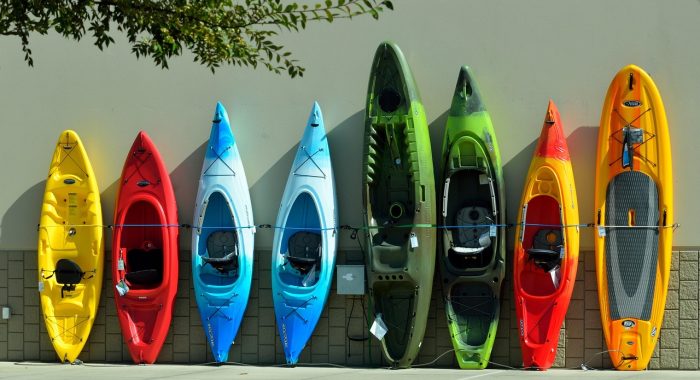
Wide, stable sit-on-top kayak – A wide, stable sit-on-top kayak reduces the balance demands and active stability correction that narrow kayaks require, which conserves energy during the paddle. The open deck makes entry and exit easier than a sit-inside design, reducing pre and post-paddle energy expenditure.
Lightweight kayak – A lighter kayak requires less effort to carry and launch. For ME/CFS paddlers, the weight of the kayak matters as much as its on-water performance.
Inflatable kayak – An inflatable kayak is the most practical option for many ME/CFS paddlers. It can be transported in a bag rather than lifted onto a roof rack, set up close to the water, and handled without the physical demands of a hardshell kayak. Read: Best Inflatable Kayaks Under USD$500.
Read: Best Kayak Seats — a comfortable, well-supported seat reduces postural fatigue during a session, which matters significantly for ME/CFS paddlers trying to conserve every available unit of energy.
Resources for ME/CFS Paddlers
Australia:
- Emerge Australia — emerge.org.au — peak body for ME/CFS in Australia, provides activity guidance and support resources
- ME/CFS Australia — mecfs.org.au — support and information for people with ME/CFS
United Kingdom:
- ME Association — meassociation.org.uk — comprehensive ME/CFS resources including exercise guidance
- Action for ME — actionforme.org.uk — practical activity guidance for people with ME/CFS
United States:
- Solve ME/CFS Initiative — solvecfs.org — research and patient resources
- ME Action — meaction.net — patient advocacy and practical living resources for ME/CFS
Frequently Asked Questions (FAQs)
Can you kayak with chronic fatigue syndrome?
Some people with mild to moderate ME/CFS can kayak safely with strict energy management, very short sessions, a gentle pace, and careful monitoring of the day after response. People with severe ME/CFS should not attempt kayaking. Always consult your doctor before kayaking with ME/CFS and follow their specific guidance on physical activity.
What is post-exertional malaise and why does it matter for kayaking?
Post-exertional malaise is the worsening of ME/CFS symptoms triggered by exertion that exceeds the individual’s energy envelope. It can be triggered by activity levels that seem minor and can last days or weeks. For kayaking this means staying well within your energy capacity is more critical than for any other health condition. Never paddle to the point of fatigue.
How long should a kayaking session be with ME/CFS?
Start with 10 to 15 minutes and build up in very small increments only when that duration is consistently well tolerated without triggering PEM. There is no standard appropriate session length for ME/CFS paddlers as it varies significantly between individuals. Your personal safe session length is determined by your day after response rather than by any general guide.
How do I know if I have exceeded my energy envelope while kayaking?
The most reliable indicator is the day after response. If you feel significantly worse in the 24 to 48 hours after a paddle, the session exceeded your energy envelope. During the paddle, warning signs include unexpected increases in fatigue, cognitive fogging, and feeling worse than when you launched. Act on these early warning signs immediately by heading to shore.
Is kayaking better than other exercise for ME/CFS?
Kayaking has specific features that suit some ME/CFS profiles well including its self-directed pace, the ability to stop and rest at any point, the seated position, and the calming environment. Whether it is appropriate depends entirely on your current functional capacity and your doctor’s guidance. It is not inherently better or worse than other gentle activities — it is a question of what works for your individual situation.
Final Thoughts
Kayaking with ME/CFS is possible for some people and genuinely rewarding when approached with strict energy management and realistic expectations. The most important principles are to stay well within your energy envelope, start with very short sessions, apply the day after rule consistently, never paddle to fatigue, and always paddle with a companion.
The goal is a sustainable, enjoyable activity that fits within your current capacity and does not trigger PEM. A 15 minute gentle paddle on calm water that leaves you feeling well the next day is infinitely more valuable than a 45 minute paddle that triggers a week of worsened symptoms.
Medical disclaimer: This article is intended as practical paddling advice. It is not a substitute for medical advice. Always consult your doctor before kayaking with ME/CFS. Never push beyond your energy envelope.
For more on kayaking safely with health conditions, read our guides on kayaking with multiple sclerosis and kayaking with fibromyalgia for related fatigue and pain management strategies on the water.