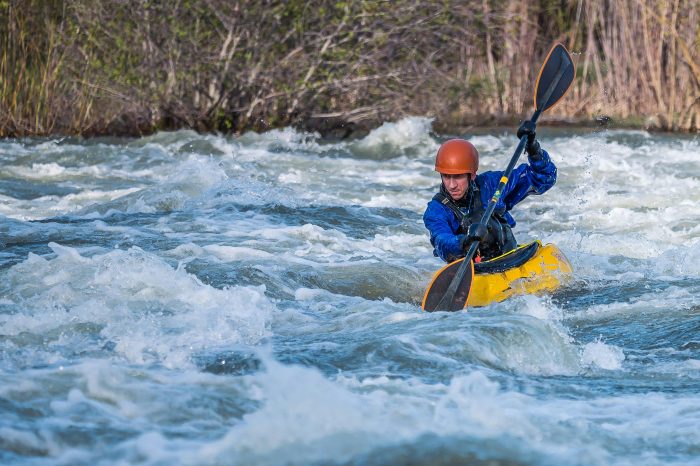
Returning to kayaking after a knee or hip replacement is a goal for many people who paddled before their surgery. The good news is that for most people, kayaking is entirely achievable after joint replacement surgery with appropriate timing, the right equipment, and a gradual return to activity.
This guide covers the recovery timeline, what to discuss with your surgeon, practical adaptations for returning to kayaking, and how to make the experience as comfortable and safe as possible after joint replacement surgery.
Medical disclaimer: This article is intended as general practical information only. It is not a substitute for medical advice. Always consult your surgeon and physiotherapist before returning to kayaking after joint replacement surgery. Follow their specific guidance on timing and activity restrictions as individual recovery varies significantly.
Is Kayaking Safe After Joint Replacement?
For most people who have recovered fully from knee or hip replacement surgery, recreational kayaking on calm water is considered a low-impact activity that is generally well tolerated. The seated paddling position places minimal direct load on the replaced joint compared to high-impact activities like running or jumping.
That said, joint replacement surgery is a significant procedure and returning to any physical activity requires clearance from your surgeon and physiotherapist. The timing of return to kayaking, the precautions required, and any ongoing restrictions depend on your specific surgery, implant type, individual recovery, and overall health.
Never return to kayaking after joint replacement without explicit clearance from your surgical team.
Recovery Timeline: When Can You Return to Kayaking?
Recovery timelines vary significantly between individuals and between knee and hip replacements. The following is a general guide only — always follow the specific advice of your surgeon and physiotherapist.
Total hip replacement
Most surgeons clear patients for low-impact recreational activities including gentle walking and swimming at around 6 to 12 weeks after a total hip replacement, depending on the surgical approach used. Kayaking involves getting in and out of a low seat which requires hip flexion and rotation that may be restricted in the early recovery period.
The posterior approach to hip replacement involves more restrictions on hip movement in the early recovery period than the anterior approach. If you had a posterior approach hip replacement, discuss the specific movement restrictions with your surgeon before attempting kayaking entry and exit.
Most people are cleared for recreational kayaking at around 3 to 6 months after total hip replacement once the joint is stable and movement restrictions have been lifted.
Total knee replacement
Recovery from total knee replacement typically involves a longer rehabilitation period than hip replacement. The knee requires significant flexion to get in and out of a kayak, particularly a sit-inside design, which may be limited in the early recovery period.
Most people are cleared for low-impact recreational activities at around 3 months after total knee replacement and for more demanding activities at around 6 months. Recreational kayaking on calm water is generally considered appropriate at around 3 to 6 months depending on your recovery progress.
Partial knee replacement
Recovery from partial knee replacement is typically faster than total knee replacement. Many people are cleared for low-impact activities sooner. Discuss the specific timeline with your surgeon.
What To Discuss With Your Surgeon and Physiotherapist
Before returning to kayaking after joint replacement, discuss the following specific questions with your surgical team:
For hip replacement:
- Are there any remaining movement restrictions that affect getting in and out of a low kayak seat?
- Is hip flexion beyond 90 degrees permitted and is this required for the kayaking position?
- Are there any restrictions on rotation movements relevant to the paddling stroke?
- What signs of complications should prompt me to stop paddling and seek medical review?
For knee replacement:
- How much knee flexion is currently available and how much is required for comfortable kayaking?
- Is kneeling or crouching during entry and exit from a kayak appropriate at this stage of recovery?
- Are there any restrictions on the twisting or rotational movements involved in paddling?
- What symptoms should prompt me to stop and seek review?
Choosing the Right Kayak After Joint Replacement
The choice of kayak makes a significant difference to comfort and safety after joint replacement surgery.
Sit-on-top kayaks
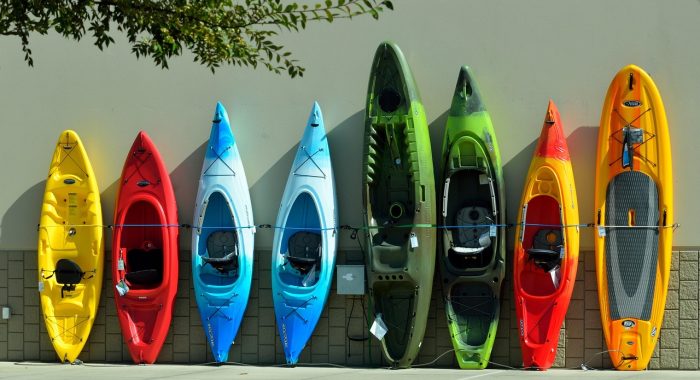
A wide, stable sit-on-top kayak is strongly recommended for most people returning to kayaking after joint replacement. The open deck makes entry and exit significantly easier than a sit-inside design, requiring less hip flexion and less knee bending than climbing in and out of a cockpit. The stable hull reduces the physical demands of balance during the paddle.
Avoid narrow sit-inside kayaks initially
Narrow sit-inside kayaks with small cockpits require significant knee bending and hip flexion to enter and exit and may not be appropriate in the early stages of return to kayaking after joint replacement. A wider sit-inside kayak with a larger cockpit opening is more manageable if you prefer a sit-inside design.
Inflatable kayaks
Inflatable kayaks are a practical option after joint replacement as they can be transported in a bag rather than lifted onto a roof rack, which reduces the physical demands of getting to the water. They are generally wider and more stable than hardshell alternatives at a similar price point.
Read: Best Inflatable Kayaks Under USD$500
Kayak weight
Choose the lightest kayak practical for your needs. Carrying, launching, and retrieving a heavy kayak places significant load on replaced joints. A kayak cart eliminates much of the carrying load and is strongly recommended after joint replacement surgery.
Getting In and Out of the Kayak After Joint Replacement
Entry and exit is the most physically demanding part of kayaking for people who have had joint replacement surgery. Taking extra time, using the right technique, and choosing appropriate entry points significantly reduces the load on the replaced joint.
Choose a gradual beach entry
A gradual sandy beach where you can position the kayak in shallow water and lower yourself onto the seat with minimal bending is the most appropriate entry point after joint replacement. Avoid steep banks, docks, and rocky shores that require significant flexion or twisting to navigate.
Use the paddle brace method
Place the paddle across the kayak behind the seat with one blade on the shore. Grip the paddle shaft and cockpit rim together with your shore-side hand. Use the paddle brace to support your weight as you lower yourself onto the seat, reducing the load on the replaced joint during the transition.
Take extra time
Move slowly and deliberately during every entry and exit. There is no rush. A controlled, unhurried entry is significantly less stressful on a replaced joint than a rushed or awkward one.
Have a companion assist
Having a companion hold the kayak steady and provide physical assistance during entry and exit reduces the balance demands and provides support if the movement is uncomfortable or unstable.
Read: How to Get In and Out of a Kayak
Paddling Technique After Joint Replacement
Hip replacement paddling technique – The forward paddling stroke involves gentle torso rotation that is generally well tolerated after hip replacement once movement restrictions have been lifted. Focus on smooth, relaxed rotation rather than forced or extreme range of motion. Avoid any sudden twisting movements during the paddle.
Knee replacement paddling technique – The paddling stroke itself places minimal direct load on the knee as the knee remains relatively static during the forward stroke. The main knee consideration is the sitting position in the kayak. Ensure the foot pegs are positioned so the knee is slightly bent and comfortable rather than fully extended or highly flexed.
Adjust foot peg position – Correct foot peg positioning is important after joint replacement to ensure a comfortable knee angle during the paddle. The knee should be slightly bent with the thighs resting lightly against the hull. Avoid positions that place the knee in extreme flexion or full extension for extended periods.
Read: Best Kayak Foot Pegs
Take regular breaks – Stop and stretch every 30 to 45 minutes during the paddle. Prolonged sitting in any position can cause stiffness in a replaced joint. A brief rest and gentle movement break reduces joint stiffness accumulation during longer sessions.
Use a well-padded seat with lumbar support – A comfortable, well-padded seat with proper lumbar support reduces overall body fatigue and improves posture during the paddle, which indirectly reduces load on the replaced joint.
Read: Best Kayak Seats
Signs to Stop and Seek Review
Stop paddling and seek medical review if you experience any of the following during or after kayaking:
- Significant pain in the replaced joint during or after paddling
- Increased swelling around the replaced joint after paddling
- A clicking, grinding, or clunking sensation in the replaced joint
- Reduced range of movement compared to your pre-paddle baseline
- Any sensation of instability or giving way in the replaced joint
- Wound or scar tenderness that is increasing rather than decreasing
Minor muscle soreness after returning to activity is normal. Joint pain, swelling, and instability are not normal and should prompt medical review.
Practical Tips for Returning to Kayaking After Joint Replacement
Start with very short sessions – Begin with 20 to 30 minute sessions on calm sheltered water close to shore. Build up session length gradually over several weeks as confidence and comfort improve. There is no benefit to rushing the return to longer paddles.
Paddle with a companion – Always paddle with a companion when returning to kayaking after joint replacement, particularly in the early stages. A companion can assist with entry and exit, provide support if discomfort develops on the water, and help if the paddle needs to be cut short.
Use a kayak cart – A kayak cart eliminates the need to carry the kayak to and from the water which is one of the most physically demanding parts of the activity for people with recent joint replacement.
Wear appropriate footwear – Wear supportive water shoes or neoprene boots with good grip for entry and exit. Slipping during entry or exit is a significant risk after joint replacement and appropriate footwear reduces this risk considerably.
Read: Best Kayaking Shoes
Keep a recovery diary – Note how the replaced joint feels during and after each paddle session. Recording any discomfort, swelling, or stiffness provides useful information for your physiotherapist and helps identify whether activity levels are appropriate.
Frequently Asked Questions (FAQs)
How long after hip replacement can I kayak?
Most people are cleared for recreational kayaking at around 3 to 6 months after total hip replacement once the joint is stable and movement restrictions have been lifted. The specific timeline depends on your surgical approach, recovery progress, and your surgeon’s advice. Always get explicit clearance from your surgical team before returning to kayaking.
How long after knee replacement can I kayak?
Most people are cleared for low-impact recreational activities at around 3 months after total knee replacement and for more demanding activities at around 6 months. Recreational kayaking on calm water is generally considered appropriate at around 3 to 6 months depending on recovery progress. Always follow your surgeon’s specific guidance.
What type of kayak is best after joint replacement?
A wide, stable sit-on-top kayak is the most appropriate choice for most people returning to kayaking after joint replacement. The open deck makes entry and exit easier than a sit-inside design and the stable hull reduces balance demands during the paddle. An inflatable kayak is also a practical option as it is lighter and easier to transport.
Can kayaking damage a hip or knee replacement?
Recreational kayaking on calm water is generally considered a low-impact activity that is unlikely to damage a well-functioning joint replacement. The activities most likely to cause problems are high-impact activities involving jumping, running, and sudden changes of direction. Always follow your surgeon’s specific activity guidance and stop if you experience pain, swelling, or instability.
Is it harder to get in and out of a kayak after hip replacement?
Entry and exit from a kayak requires hip flexion and rotation which may be restricted in the early recovery period after hip replacement, particularly after a posterior approach. A wide sit-on-top kayak with a gradual beach entry, the paddle brace method, and a companion to assist significantly reduces the difficulty of entry and exit after hip replacement.
Should I tell my paddling companions about my joint replacement?
Yes. Your paddling companions should know about your joint replacement so they can assist with entry and exit, understand why you may need to paddle more slowly or take more breaks, and know what symptoms would prompt an early return to shore.
Final Thoughts
Returning to kayaking after knee or hip replacement is achievable for most people with appropriate timing, the right equipment, and a gradual approach. The keys are getting explicit clearance from your surgical team, choosing a wide stable sit-on-top kayak, using a gradual beach entry, taking extra time with entry and exit, starting with short sessions on calm water, and paddling with a companion.
Many people find that kayaking becomes a regular and enjoyable part of their post-replacement activity routine once they have established a comfortable approach that works for their body.
Medical disclaimer: This article is intended as general practical information only. It is not a substitute for medical advice. Always consult your surgeon and physiotherapist before returning to kayaking after joint replacement surgery.
For more on kayaking comfortably and safely, read our guides on kayaking with arthritis and kayaking for seniors.