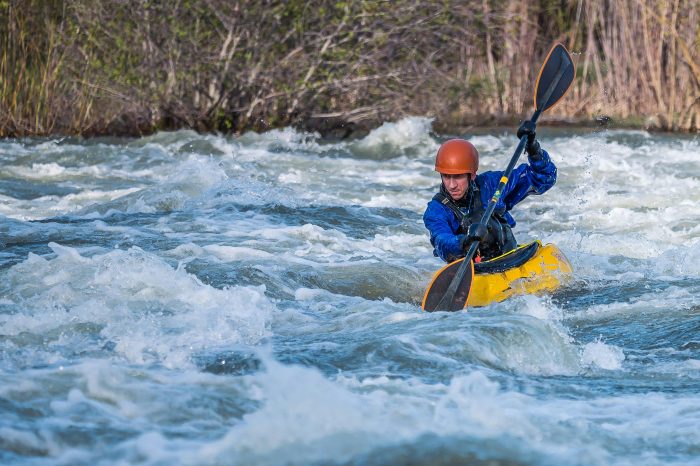
Arthritis does not have to stop you kayaking. Many people with osteoarthritis, rheumatoid arthritis, and other joint conditions paddle regularly and find that kayaking is one of the most comfortable forms of exercise available to them.
The low-impact nature of paddling, the seated position, and the ability to control your own pace and intensity make kayaking well suited to people with arthritis. The buoyancy of the water also reduces the load on affected joints compared to land-based exercise.
That said, arthritis does present some specific challenges on the water — particularly for the hands, wrists, shoulders, and hips — that are worth understanding before you head out.
Medical disclaimer: This article is intended as practical paddling advice for people with arthritis. It is not a substitute for medical advice. Always consult your doctor or rheumatologist before starting a new physical activity, particularly if your arthritis is active, you have recently had joint surgery, or you have recently changed your medication.
Why Kayaking Is Good for Arthritis
Regular low-impact exercise is one of the most effective ways to manage arthritis symptoms. It maintains joint mobility, strengthens the muscles supporting affected joints, and reduces stiffness. Kayaking provides all of these benefits without the high-impact loading of running or gym-based exercise.
The forward paddling stroke works the shoulders, arms, and core in a smooth, rhythmic motion that most people with arthritis tolerate well. The seated position reduces load on the hips and knees compared to standing exercise. And the mental health benefits of time spent outdoors on the water are well documented for people managing chronic pain conditions.
Many people with arthritis find that their symptoms actually improve during and after a gentle paddle, particularly in warm weather when joints tend to be less stiff.
Understanding Your Arthritis and How It Affects Paddling
Different types of arthritis affect different joints and present different challenges for kayakers.
Osteoarthritis of the hands and wrists
The most common form of arthritis in paddlers. Gripping the paddle shaft for extended periods can aggravate inflamed finger and wrist joints. Padded grip tape, ergonomic paddle grips, and regular rest breaks significantly reduce hand and wrist strain.
Osteoarthritis of the shoulder
Shoulder arthritis affects the rotational demands of the forward paddle stroke. A low-angle paddling style that minimises overhead arm movement reduces shoulder strain. A lighter paddle also reduces the load on the shoulder joint with every stroke.
Osteoarthritis of the hips and knees
Hip and knee arthritis can make getting in and out of a kayak the most challenging part of the activity. Sit-on-top kayaks are significantly easier to enter and exit than sit-inside designs. Choosing a launch location with a low, stable bank or a gradual beach entry reduces the physical demands of getting on and off the water.
Rheumatoid arthritis
Rheumatoid arthritis is a systemic inflammatory condition that can affect multiple joints simultaneously. Symptom severity varies significantly between individuals and over time. On high-inflammation days, paddling may aggravate symptoms. On lower-inflammation days, gentle paddling is generally well tolerated. Always assess your symptoms before launching and be prepared to shorten or cancel a session if needed.
Choosing the Right Kayak for Arthritis
Sit-on-top kayaks
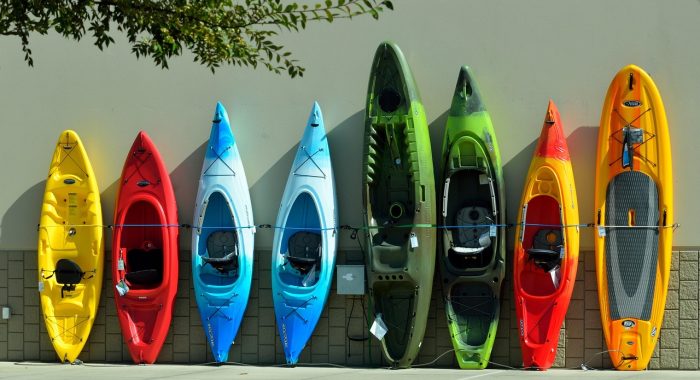
Sit-on-top kayaks are the best choice for most paddlers with arthritis. The open deck makes entry and exit significantly easier than a sit-inside design, which is important for people with hip, knee, or lower back arthritis. There is no cockpit to climb in and out of — you simply sit down on the deck from a low bank or beach entry.
The wide, stable hull of most sit-on-top kayaks also allows you to shift position during the paddle, which reduces the stiffness that comes from sitting in one position for extended periods.
Inflatable kayaks
Inflatable kayaks are a practical option for paddlers with arthritis who need to minimise the physical demands of transporting and launching a kayak. They can be transported in a bag rather than lifted onto a roof rack, which is a significant advantage for people with shoulder or back arthritis.
Read: Best Inflatable Kayaks Under USD$500
Kayak weight
A lighter kayak requires less effort to carry, launch, and retrieve. For paddlers with arthritis, the weight of the kayak matters as much as its on-water performance. Aim for the lightest kayak that suits your paddling needs.
Read: What Size Kayak Do I Need?
The Most Important Upgrade: Your Paddle
The paddle is the single most impactful piece of equipment for kayakers with arthritis, particularly those with hand, wrist, and shoulder involvement.
Choose a lighter paddle
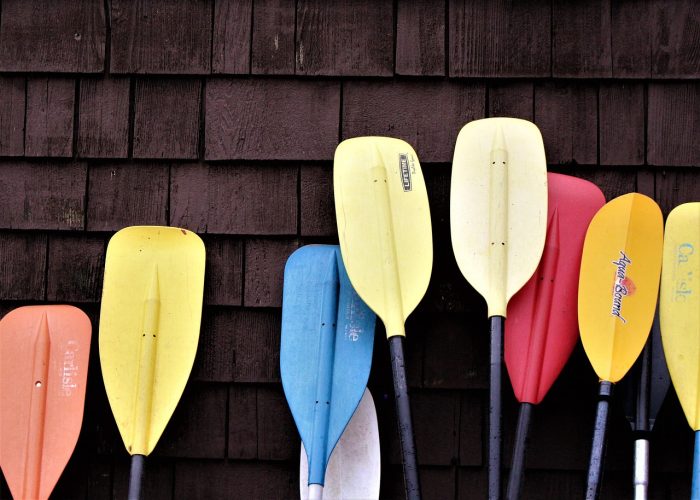
A lighter paddle reduces the cumulative load on arthritic joints with every stroke. Over a two-hour paddle, the difference between an aluminium and a carbon fibre paddle is significant. Carbon fibre paddles are the lightest option. Fibreglass is a practical middle ground at a lower price than carbon.
Read: Why Are Kayak Paddles So Expensive?
Use a low-angle paddling style
Low-angle paddling keeps the paddle shaft relatively horizontal and reduces the range of shoulder rotation required per stroke. It is less powerful than high-angle paddling but significantly easier on arthritic shoulders and elbows. Most recreational kayak paddles are designed for low-angle use.
Consider ergonomic paddle grips
Standard paddle shafts require a firm grip that can aggravate arthritic finger and wrist joints over time. Foam or rubber grip tape wrapped around the shaft reduces the grip force required and cushions vibration transmitted through the blade. Ergonomic bent-shaft paddles reduce wrist deviation during the stroke which further reduces joint strain.
Adjust your feathering angle
Most two-piece paddles allow the feathering angle between the blades to be adjusted. Reducing the feathering angle reduces the wrist rotation required during the recovery stroke, which is beneficial for paddlers with wrist arthritis. A feathering angle of 0 to 15 degrees suits most paddlers with wrist involvement.
Getting In and Out of the Kayak
Entry and exit is one of the most physically demanding parts of kayaking for people with arthritis. Choosing the right launch location and technique makes a significant difference.
Choose a gradual beach or low bank entry – A gradual sandy beach where you can position the kayak in shallow water and sit down onto the deck is the easiest entry for most people with arthritis. Avoid steep banks, rocky shores, and locations that require lifting or lowering yourself a significant distance.
Use a paddle as a brace – Place your paddle across the kayak behind the seat with one blade resting on the bank or shore. This creates a stable brace you can use to lower yourself onto the seat and push yourself back up when exiting. This technique significantly reduces the load on arthritic hips and knees during entry and exit.
Take your time – There is no rush when getting in and out of a kayak. Moving slowly and deliberately reduces the risk of sudden joint strain. If your entry point is awkward, scout it before committing to a launch and consider finding a better alternative rather than forcing an entry that puts your joints under stress.
Consider a kayak cart – A kayak cart allows you to wheel your kayak to the water rather than carrying it, which eliminates one of the most physically demanding parts of the activity for people with shoulder, back, or hip arthritis. Read: Best Kayak Carts and Trolleys.
Managing Arthritis Symptoms on the Water
Warm up before launching – Five to ten minutes of gentle joint mobility exercises before launching prepares arthritic joints for the demands of paddling. Focus on shoulder circles, wrist rotations, and gentle hip flexor stretches. Cold, stiff joints are more vulnerable to strain than warmed-up joints.
Start slowly – Begin each paddle session at a gentle pace and build up gradually over the first ten to fifteen minutes. This allows arthritic joints to warm up progressively rather than being loaded suddenly at full intensity.
Take regular breaks – Stop and rest every thirty to forty-five minutes. Shake out your hands, roll your shoulders, and stretch your wrists. Even two to three minutes of movement per hour significantly reduces joint stiffness accumulation during longer paddles.
Paddle in warm conditions where possible – Most people with arthritis find their symptoms are less severe in warm weather. Cold temperatures increase joint stiffness and pain. Scheduling paddles for warmer parts of the day and avoiding early morning cold-water sessions reduces symptom severity for most arthritis sufferers.
Wear neoprene gloves in cold water – Cold water accelerates hand and wrist stiffness in people with arthritis. Neoprene paddling gloves keep the hands warm and reduce grip strain simultaneously. Read: Kayaking in Cold Weather & Best Kayaking Gloves.
Know when to stop – Mild joint aching during or after paddling is normal for people with arthritis and generally resolves with rest. Sharp pain, sudden swelling, or significant worsening of symptoms during a paddle is a signal to stop and head to shore. Do not paddle through significant pain.
Gear Recommendations
Lightweight paddle – Upgrading from an aluminium to a fibreglass or carbon fibre paddle is the most impactful equipment change for most kayakers with arthritis. The weight saving reduces cumulative joint load significantly over a full session.
Read: Best Kayak Paddles Under USD$100
Kayak seat with lumbar support – A well-padded seat with proper lumbar support reduces lower back and hip strain during longer paddles. An aftermarket seat is one of the most practical upgrades for paddlers with hip or lower back arthritis. Read: Best Kayak Seats.
Neoprene gloves – Neoprene paddling gloves keep hands warm and reduce grip strain simultaneously. The 3mm thickness suits most conditions without significantly reducing dexterity. Read: Best Kayaking Gloves.
Kayak cart – A kayak cart eliminates carrying the kayak to and from the water, which is one of the most physically demanding parts of the activity for people with shoulder, back, or hip arthritis. Read: Best Kayak Carts and Trolleys.
Frequently Asked Questions (FAQs)
Is kayaking good for arthritis?
Yes. Kayaking is a low-impact activity that maintains joint mobility, strengthens supporting muscles, and provides cardiovascular exercise without the high-impact loading of running or gym work. Many people with arthritis find kayaking is one of the most comfortable forms of exercise available to them. Always consult your doctor before starting if your arthritis is active or you have recently had joint surgery.
What type of kayak is best for someone with arthritis?
A wide, stable sit-on-top kayak is the best choice for most people with arthritis. The open deck makes entry and exit significantly easier than a sit-inside design, and the stable platform allows you to shift position during the paddle. A lighter kayak reduces the physical demands of transporting and launching.
Which joints does kayaking affect most?
The hands, wrists, shoulders, and lower back are the joints most affected by kayaking. The hips and knees are primarily affected during entry and exit rather than during paddling. Adjusting your paddle, technique, and launch location addresses most of these concerns for people with arthritis.
Can I kayak during an arthritis flare?
During a significant flare with active inflammation and increased pain, it is generally better to rest rather than paddle. Paddling through a flare can aggravate symptoms and delay recovery. On milder days when symptoms are manageable, gentle paddling on calm water is usually well tolerated. Discuss your specific situation with your rheumatologist or physiotherapist.
Should I see a physiotherapist before kayaking with arthritis?
A physiotherapist familiar with your specific arthritis can advise on paddle technique modifications, stretching and strengthening exercises that support kayaking, and whether any specific movements should be avoided. This is particularly worthwhile if you have had recent joint surgery or if your arthritis affects multiple joints.
How long should I paddle with arthritis?
Start with short sessions of 30 to 45 minutes on calm water close to shore. Take breaks every 30 minutes to stretch and move. Build up session length gradually as your joints adapt and your confidence grows. Most people with arthritis can build up to two to three hour sessions over several weeks with no issues once their technique and equipment are optimised.
Final Thoughts
Kayaking with arthritis is entirely manageable with the right equipment, technique, and approach. The most impactful changes are upgrading to a lighter paddle, choosing a stable sit-on-top kayak, selecting a gradual entry point, and taking regular breaks during the paddle.
Start with short sessions on calm water in warm conditions and build up gradually. Most people with arthritis find that kayaking becomes a reliable and enjoyable part of their routine once they have addressed the practical challenges of entry, exit, and joint strain during paddling.
Medical disclaimer: This article is intended as practical paddling advice for people with arthritis. It is not a substitute for medical advice. Always consult your doctor or rheumatologist before starting a new physical activity, particularly if your arthritis is active or you have recently had joint surgery.
For more on kayaking comfort and safety, read our guides on kayaking with a bad back and and kayaking with osteoporosis for related joint and bone considerations on the water.