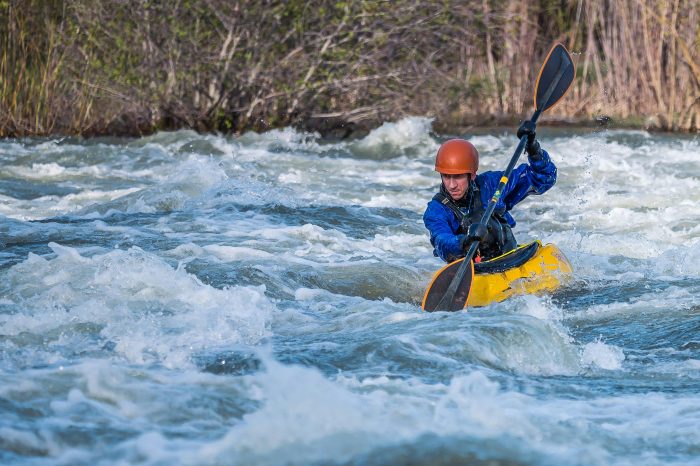
Kayaking with chronic kidney disease is achievable for many people, particularly those in the earlier stages of the condition or managing it without dialysis. Regular moderate physical activity is increasingly recognised as beneficial for people with chronic kidney disease, supporting cardiovascular health, mood, and overall quality of life, and the self-paced, low-impact nature of kayaking makes it a genuinely accessible option.
This guide covers the key considerations for kayaking with chronic kidney disease, including fluid and electrolyte management, fatigue pacing, and specific considerations for people on dialysis or with a kidney transplant.
Medical disclaimer: This article is intended as practical paddling advice. It is not a substitute for medical advice. Always consult your nephrologist or treatment team before kayaking with chronic kidney disease, particularly regarding fluid intake, dialysis scheduling, and any specific activity restrictions relevant to your stage of disease or treatment.
Why Kayaking Can Suit People With CKD
Self-paced, low-impact activity
Kayaking intensity is entirely self-directed, allowing a gentle pace on lower energy days and a more sustained effort when capacity allows. The seated position and smooth paddle stroke are low impact on the joints and body, which is relevant for people managing the general fatigue and reduced physical conditioning that can accompany chronic kidney disease.
Supports cardiovascular health
Cardiovascular disease risk is elevated in people with chronic kidney disease, and regular moderate aerobic exercise is one of the most consistently recommended ways to support cardiovascular health in this context. Kayaking offers a genuinely enjoyable way to build this activity into a routine.
Time outdoors and psychological benefits
Living with a chronic condition like CKD carries a significant psychological load, and time spent outdoors and on the water is consistently associated with reduced stress and improved mood, which can be a valuable complement to medical management.
Fluid and Electrolyte Considerations
Fluid and electrolyte management is one of the most important and individual aspects of kayaking with chronic kidney disease, and it varies significantly depending on the stage of disease and whether dialysis is involved.
Follow your prescribed fluid restrictions
Many people with more advanced CKD, particularly those on dialysis, have specific fluid restrictions. Hot weather and physical exertion increase the temptation to drink more than usual, but any fluid intake during and after paddling should still respect your prescribed limits. Discuss how to manage hydration during physical activity specifically with your nephrologist or renal dietitian.
Be aware of electrolyte considerations
Depending on the stage of CKD, certain electrolytes, including potassium, may need to be carefully managed. Sports drinks and some hydration products are not necessarily appropriate for people with CKD due to their electrolyte content. Discuss appropriate hydration options for physical activity with your renal dietitian rather than assuming standard sports nutrition advice applies.
Recognise dehydration and overhydration symptoms
Be familiar with the symptoms of both dehydration and fluid overload relevant to your specific condition, and know what to do if either occurs during or after paddling. This is highly individual and should be discussed with your treatment team.
Fatigue Management
Fatigue is a common symptom of chronic kidney disease, particularly as the condition progresses, and can be significant for people on dialysis.
Start with short sessions – Begin with short paddling sessions, such as 15 to 20 minutes, on calm water close to shore, and build up gradually based on how you feel rather than a fixed schedule.
Plan around dialysis schedule – For people on dialysis, energy levels often follow a pattern relative to dialysis sessions. Many people find energy is lower on dialysis days and in the period immediately following, and higher on non-dialysis days. Plan paddling sessions accordingly, and discuss appropriate timing with your treatment team.
Rest without pushing through – Resting on the water, drifting calmly with the paddle across the cockpit, is a sensible response to fatigue. There is no benefit to pushing through significant fatigue, and doing so may affect recovery and how you feel in the following days.
Considerations for Dialysis Patients
Protect vascular access sites – For people on haemodialysis with a fistula or graft, protecting the vascular access site from injury and excessive pressure is essential. Avoid activities or grip positions on the paddle that place direct pressure on the access site, and discuss specific precautions with your renal team. Some people choose to paddle in a way that minimises load on the access arm, depending on individual circumstances.
Be aware of peritoneal dialysis considerations – For people on peritoneal dialysis, discuss with your renal team whether kayaking, and the associated water exposure and physical positioning, requires any specific precautions related to the peritoneal catheter site.
Avoid water exposure to access sites where relevant – Depending on your specific access type and your renal team’s guidance, you may need to take precautions to avoid prolonged water exposure to certain access sites. Discuss this specifically before paddling.
Considerations After a Kidney Transplant
Many kidney transplant recipients are able to return to regular physical activity, including kayaking, once cleared by their transplant team.
Get specific clearance before returning – Do not resume kayaking after a kidney transplant without specific clearance from your transplant team, particularly regarding timing after surgery and any activity restrictions related to the transplant site.
Be aware of immunosuppressant considerations – Many transplant recipients take immunosuppressant medication, which can increase susceptibility to infection and sun sensitivity. Take extra care with sun protection and be vigilant about any cuts or scrapes sustained while paddling, keeping them clean and monitoring for signs of infection.
Build up gradually – When cleared to return, start with gentle, short sessions and build up gradually, paying attention to how you feel and avoiding any movements your transplant team has advised against.
Sun Protection and Medication
Some medications relevant to CKD management and post-transplant care can increase sun sensitivity. Apply high-factor, broad-spectrum sunscreen generously, wear UV-protective clothing, and wear a wide-brimmed hat. Discuss specific sun sensitivity considerations related to your medications with your doctor or pharmacist.
Choosing the Right Kayak
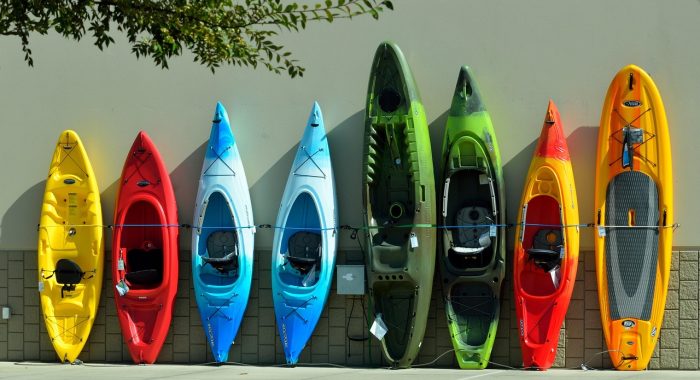
Wide, stable sit-on-top kayak – A wide, stable sit-on-top kayak reduces the balance demands of paddling and makes entry and exit easier than a sit-inside design, which is helpful for managing fatigue and general energy conservation.
Lightweight kayak and accessories – A lighter kayak and lighter paddle reduce the physical effort required for transport, launch, and paddling itself, conserving energy for the activity.
Comfortable, supportive seat – A well-padded seat with proper back support reduces overall fatigue during a session.
Read: Best Kayak Seats
Safety Considerations
Always paddle with a companion – Paddling alone with chronic kidney disease is not recommended, particularly given the importance of fluid and energy management. A companion can assist with launch and retrieval, recognise concerning symptoms, and help or call for assistance if needed.
Carry a means of communication – Carry a fully charged mobile phone in a waterproof case on every paddle.
Wear a medical ID – Wear a waterproof medical ID listing your condition, dialysis status if relevant, and any vascular access details. This information can be important for first responders in an emergency.
Choose calm, sheltered water – Choose calm, sheltered water close to shore, particularly while building up a paddling routine, reducing both physical demand and distance to safety if needed.
Know your personal warning signs – Be aware of your own warning signs that indicate it is time to stop and rest, such as unusual fatigue, dizziness, or symptoms specific to your condition that your treatment team has flagged as significant. Agree on a plan with your companion in advance.
Resources for Paddlers With CKD
Australia:
- Kidney Health Australia — kidney.org.au — comprehensive resources on living with chronic kidney disease, including activity and lifestyle guidance
United States:
- National Kidney Foundation — kidney.org — patient resources and activity guidance for people with CKD
United Kingdom:
- Kidney Care UK — kidneycareuk.org — resources on living well with kidney disease, including exercise guidance
Frequently Asked Questions (FAQs)
Can you kayak with chronic kidney disease?
Many people with chronic kidney disease can kayak safely with appropriate clearance and pacing, particularly those in earlier stages or managing the condition without dialysis. Always consult your nephrologist or treatment team before starting, especially regarding fluid intake and any specific restrictions relevant to your stage of disease.
Can you kayak while on dialysis?
Many people on dialysis can kayak with appropriate precautions, including protecting vascular access sites, planning around dialysis scheduling, and respecting prescribed fluid restrictions. Discuss specific considerations with your renal team before starting.
How do I manage fluid intake while kayaking with CKD?
Follow your prescribed fluid restrictions even during physical activity in warm weather, and discuss appropriate hydration strategies for exercise with your nephrologist or renal dietitian, since standard sports hydration advice may not be appropriate for your specific condition.
When can I kayak after a kidney transplant?
Only with specific clearance from your transplant team, which depends on your individual recovery and the type of surgery. When cleared, build up gradually with short, gentle sessions.
Are sports drinks safe for people with CKD during kayaking?
Not necessarily. Some sports drinks contain electrolytes, including potassium, that may not be appropriate depending on your stage of CKD. Discuss appropriate hydration options for physical activity with your renal dietitian.
What type of kayak is best for someone with CKD?
A wide, stable sit-on-top kayak with a comfortable seat is generally the most suitable choice, as it reduces the balance demands and physical effort of paddling, helping conserve energy for managing fatigue.
Final Thoughts
Kayaking with chronic kidney disease is achievable for many people and can be a genuinely valuable form of regular activity when approached with appropriate clearance and careful attention to fluid management, fatigue pacing, and dialysis-specific precautions where relevant. The most important principles are to get specific guidance from your nephrologist or treatment team, respect prescribed fluid and electrolyte restrictions, protect vascular access sites if on dialysis, and always paddle with a companion.
Medical disclaimer: This article is intended as practical paddling advice. It is not a substitute for medical advice. Always consult your nephrologist or treatment team before kayaking with chronic kidney disease.
For more on kayaking safely with health conditions, read our guides on kayaking with diabetes and kayaking with chronic fatigue syndrome.