Kayaking is an activity that genuinely works for bodies of all sizes, but most kayaking content assumes a single body type when it comes to weight capacity, seat width, and gear fit. Bigger paddlers are often left to work out the practical details themselves, sometimes after an uncomfortable or unstable first experience caused simply by the wrong kayak rather than anything about their own capability.
This guide covers what actually matters for kayaking at any size: how to choose a kayak with the right weight capacity and seat width, how to get a stable and comfortable setup, and the practical details that make the difference between an uncomfortable first paddle and a genuinely enjoyable one.
Weight Capacity Is About More Than Just Your Weight
Every kayak has a maximum weight capacity, but that number is not simply a cutoff for the paddler’s body weight. It needs to account for the paddler, plus gear, plus a safety margin to maintain proper performance and stability on the water.
The practical rule: paddle well under the stated maximum
A kayak loaded close to its maximum weight capacity sits lower in the water, has reduced stability, and is generally a worse experience for everyone, regardless of body size. A reasonable approach is to choose a kayak where your body weight, plus the weight of your gear, sits at no more than 70 to 80 percent of the kayak’s stated maximum capacity. This leaves a margin for stability and performance rather than paddling a kayak that is technically rated for your weight but performing at its absolute limit.
Check capacity ratings carefully
Weight capacity ratings vary significantly between kayaks. Recreational kayaks designed for casual paddling often have lower capacities, sometimes around 90 to 120 kilograms, while kayaks specifically designed with a higher capacity can rate well above 180 kilograms. Always check the specific capacity rating for the model you are considering rather than assuming based on the kayak’s general category.
Read: How to Work Out Kayak Weight Capacity and Limits
Seat Width and Cockpit Size Matter as Much as Weight Capacity
A kayak can have an adequate weight capacity rating and still be genuinely uncomfortable or impractical if the seat and cockpit are too narrow. This is one of the most overlooked aspects of choosing a kayak for a bigger body.
Check seat width specifications
Manufacturers do not always list seat width, but it is worth searching for or contacting the manufacturer directly to ask, particularly for sit-inside kayaks where the cockpit opening itself can be a limiting factor regardless of weight capacity.
Sit-on-top kayaks generally offer more room
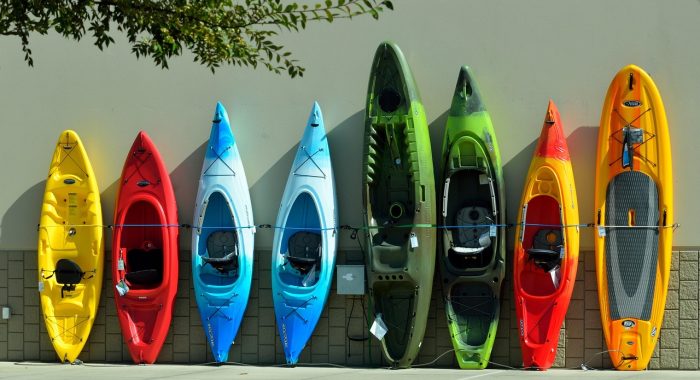
Sit-on-top kayaks typically provide more usable width and are not constrained by a fixed cockpit opening in the way sit-inside kayaks are. This makes them a practical starting point for many bigger paddlers, alongside their other benefits of easier entry and exit.
Wider kayaks generally mean wider, more open seating areas
A kayak described as wide or stable in its general design typically has a correspondingly wider seating area, though this is worth confirming with specific measurements rather than assuming from general marketing language.
Stability: The Genuine Advantage of a Wider Kayak
A wider kayak hull provides significantly more stability on the water, which benefits every paddler but is particularly valuable for confidence and comfort when getting started.
Hull width directly affects stability – A kayak with a wider beam, generally above 75 to 80 centimetres, provides noticeably more side-to-side stability than a narrower performance-oriented kayak. This stability makes entry, exit, and general paddling significantly more comfortable and confidence-inspiring.
A flatter hull bottom adds further stability – Flat-bottomed hulls generally provide more initial stability than rounded or V-shaped hulls, making them well suited to recreational paddling where stability matters more than speed.
Read: Kayak Hull Types Explained: Which Is Most Stable?
Getting In and Out Comfortably
Entry and exit is often the part of kayaking that feels most uncertain before trying it, and a few practical choices make a significant difference.
Choose a sit-on-top kayak with an open deck – An open sit-on-top deck removes the need to fit through a fixed cockpit opening and allows entry and exit from a wider range of angles and techniques. This is generally the most practical and comfortable option.
Use a gradual, sandy entry point – A gradual sandy beach where the kayak can sit in shallow water allows a controlled, low-effort entry and exit. Steep banks, high docks, and slippery rocks make the process significantly more difficult regardless of body size.
A companion can help with stability during entry – Having someone hold the kayak steady during entry and exit reduces the physical demand and removes any uncertainty about the kayak shifting unexpectedly.
Read: How to Get In and Out of a Kayak
Comfort Equipment That Makes a Genuine Difference
A wider, supportive seat
Many factory-fitted kayak seats are narrow and minimally padded. An aftermarket seat designed with a wider base and more substantial padding significantly improves comfort over longer sessions and is one of the most worthwhile upgrades for any paddler, regardless of size.
Read: Best Kayak Seats
A properly fitted PFD
PFDs are sized by chest size and weight range rather than a single universal fit, and a PFD that is too small will be uncomfortable and less effective. Specifically look for PFDs available in extended size ranges, and try one on before relying on it, since fit varies between brands.
Read: 6 of the Best Life Jackets for Kayak Fishing
Footwear and clothing that fits well
Comfortable, well-fitting quick-dry clothing and footwear designed for kayaking makes a noticeable difference over a paddling session. There is no need to compromise on comfort here, and several brands offer extended sizing in quick-dry and water-specific clothing ranges.
Choosing the Right Kayak
Wide, stable sit-on-top kayak with a high weight capacity – The combination of a wide hull, flat bottom, open deck, and weight capacity rating well above your own body weight is the strongest starting point for most bigger paddlers. Several manufacturers specifically design and market kayaks with higher weight capacities and wider seating areas.
Tandem kayaks as an alternative option – A tandem kayak, designed for two paddlers, generally has a significantly higher overall weight capacity and a wider, longer hull. Paddling a tandem kayak solo, using the rear or central seating position, is a practical option worth considering if single kayaks in the desired capacity range are harder to find.
Inflatable kayaks with high capacity ratings – Several inflatable kayaks are specifically designed with high weight capacities and wide, stable platforms. These also offer the practical benefit of easier transport, since they can be carried in a bag rather than lifted onto a roof rack.
Folding kayaks as a transport-friendly option — folding kayaks, which assemble into a rigid or semi-rigid hull but pack down into a bag or case, are worth considering for bigger paddlers who need easier transport without a roof rack. Several folding kayak models are specifically designed with higher weight capacities and wider hulls, combining the packability of an inflatable with on-water performance closer to a hardshell.
Read: Best Folding and Collapsible Kayaks
Read: 6 of the Best Inflatable Kayaks Under USD$500
Where to Find Kayaks With Higher Weight Capacities
Searching specifically for terms like “high weight capacity kayak” rather than general kayak listings tends to surface models designed with this in mind. It is also worth contacting kayak retailers directly to ask about specific weight capacity and seat width measurements, since this information is not always prominent on a product listing.
Outdoor retailers with in-person demo days, where available, allow trying a kayak’s seat and cockpit fit before purchasing, which removes much of the guesswork involved in buying based on specifications alone.
Building Confidence on the Water
Start on calm, flat water close to shore – A calm lake or sheltered bay on a still day is the most comfortable environment for a first paddle, regardless of body size. This removes wind and wave-related stability challenges while building familiarity with the kayak.
Paddle with a companion for the first few sessions – Having someone alongside for the first few paddles, particularly during entry and exit, builds confidence and provides practical support if needed.
Focus on technique over intensity – Good paddling technique, particularly using torso rotation rather than arm strength, makes paddling more efficient and comfortable for every paddler. This is worth learning early rather than relying purely on physical strength.
Read: How to Paddle a Kayak Straight
Frequently Asked Questions (FAQs)
What weight capacity kayak do I need?
Choose a kayak where your body weight plus gear sits at no more than 70 to 80 percent of the kayak’s stated maximum weight capacity. This leaves a margin for stability and performance rather than paddling at the kayak’s absolute limit. Always check the specific rating for the model you are considering.
Are sit-on-top kayaks better for bigger paddlers?
Generally, yes. Sit-on-top kayaks are not constrained by a fixed cockpit opening, typically offer wider seating areas, and make entry and exit easier from a wider range of angles and techniques compared to sit-inside kayaks.
Can I use a tandem kayak by myself?
Yes. Paddling a tandem kayak solo, usually from the rear or central seating position, is a practical option that provides a higher weight capacity and wider, more stable hull than many single kayaks.
Do PFDs come in larger sizes?
Yes. PFDs are sized by chest measurement and weight range, and many brands offer extended size ranges. Try one on before relying on it, since fit and sizing vary between brands and models.
What makes a kayak more stable?
A wider hull, generally above 75 to 80 centimetres, and a flatter hull bottom both significantly improve side-to-side stability. These features make entry, exit, and general paddling more comfortable and confidence-inspiring for any paddler.
Where can I find kayaks designed for higher weight capacities?
Search specifically for high weight capacity kayak models rather than general listings, and contact retailers directly to confirm weight capacity and seat width measurements, since this information is not always prominent in standard product listings.
Final Thoughts
Kayaking works for bodies of all sizes when the practical details are right. The most important factors are choosing a kayak with a weight capacity well above your own body weight plus gear, a wide and stable hull, a seat and cockpit that fits comfortably, and properly fitted safety equipment. None of these are about anything other than getting the right gear for a genuinely enjoyable time on the water.
For more on choosing the right kayak, read our guides on how to choose a kayak and what size kayak do I need.