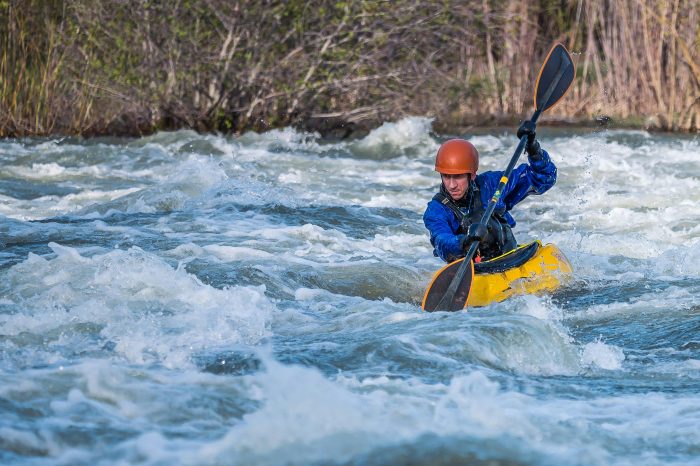
Kayaking is one of the best activities available to older adults. It is low impact, accessible at almost any fitness level, and provides a combination of physical exercise, mental health benefits, and time spent outdoors that is hard to match with other sports.
Many people take up kayaking in their 60s, 70s, and beyond and find it becomes one of the most enjoyable and sustainable activities in their routine. The key is starting with the right equipment, choosing appropriate conditions, and understanding how to adapt the activity to suit your body and fitness level.
This guide covers everything seniors need to know to get started kayaking safely and enjoyably.
Medical disclaimer: This article is intended as practical paddling advice for older adults. It is not a substitute for medical advice. Always consult your doctor before starting a new physical activity, particularly if you have a heart condition, balance issues, or any other health condition that may affect your safety on the water.
Why Kayaking Is Ideal for Seniors
Kayaking offers a combination of benefits that make it particularly well suited to older adults.
Low impact on joints
The forward paddling stroke is a smooth, rhythmic movement that works the upper body without the high-impact loading of running or gym-based exercise. The seated position reduces load on the hips and knees. People with arthritis, osteoporosis, and joint replacements often find kayaking one of the most comfortable forms of exercise available to them.
Builds strength and fitness
Paddling works the core, back, shoulders, and arms in a sustained aerobic workout. Regular kayaking builds functional upper body strength that supports posture and everyday activities. The cardiovascular benefits of sustained moderate-intensity paddling are well documented.
Mental health benefits
Time spent outdoors on the water has well-documented benefits for mental health including reduced stress, improved mood, and better sleep. For retired adults, kayaking also provides a regular activity with a community of like-minded paddlers, which supports social connection and purpose.
Accessible at any fitness level
Kayaking can be as gentle or as challenging as you want it to be. A short paddle on a calm lake at a relaxed pace is accessible to almost anyone. As fitness and confidence grow, longer trips and more varied conditions become available.
Health Considerations Before You Start
Talk to your doctor first
Before starting kayaking, discuss it with your doctor particularly if you have a heart condition, high blood pressure, balance issues, or any condition that affects your upper body strength or mobility. Most older adults are cleared for recreational kayaking without any restrictions, but it is worth confirming before you head out.
Balance and stability
Balance tends to decline with age, which can make getting in and out of a kayak the most challenging part of the activity. Choosing a wide, stable sit-on-top kayak and a gradual beach entry minimises this challenge significantly. If balance is a specific concern, practise sitting in the kayak on dry land before your first water session.
Medications
Some medications affect balance, coordination, heat tolerance, and hydration. If you take regular medications, check with your doctor or pharmacist whether any affect your suitability for outdoor water activities. Antihistamines, blood pressure medications, and diuretics are among the most relevant to consider.
Sun exposure
Older skin is more sensitive to UV damage. Apply high-factor sunscreen before every paddle, wear a wide-brimmed hat, and consider a long-sleeve UV-protective top. The reflection of sunlight off water intensifies UV exposure significantly compared to land-based activities.
Choosing the Right Kayak for You
The right kayak makes an enormous difference to comfort, confidence, and enjoyment for older paddlers.
Sit-on-top kayaks
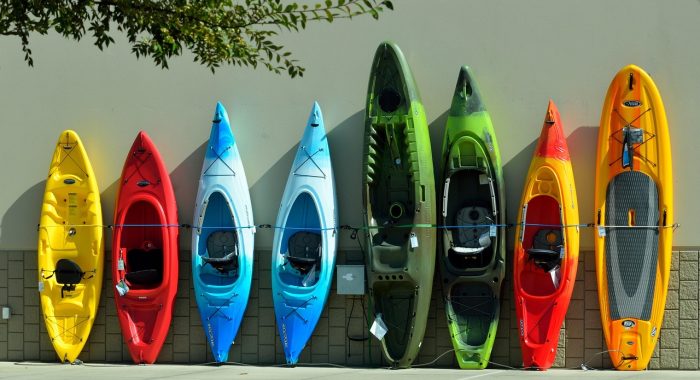
Sit-on-top kayaks are the best choice for most senior paddlers. The open deck makes entry and exit significantly easier than a sit-inside design, which is important for people with hip, knee, or balance concerns. There is no cockpit to climb in and out of. You simply sit down on the deck from a low bank or beach entry and slide off the same way.
The wide, stable hull of most sit-on-top recreational kayaks provides confidence on the water and allows you to shift position during the paddle, which reduces stiffness during longer sessions.
Inflatable kayaks
Inflatable kayaks are a practical option for seniors who want to minimise the physical demands of transporting and launching. They can be transported in a bag rather than lifted onto a roof rack and are significantly lighter than hardshell alternatives. Modern inflatable kayaks are stable and perform well on calm water.
Read: Best Inflatable Kayaks Under USD$500
Kayak weight
A lighter kayak requires less effort to carry, launch, and retrieve. This matters more as we age. Aim for the lightest kayak that suits your paddling needs. Most recreational sit-on-top kayaks weigh between 18kg and 27kg (40lbs to 60lbs). Inflatable kayaks are typically lighter at 10kg to 20kg (22lbs to 44lbs).
Read: What Size Kayak Do I Need?
Choosing the Right Paddle
The paddle is as important as the kayak for older paddlers. A heavy, poorly sized paddle increases fatigue and joint strain significantly.
Choose a lighter paddle – A lighter paddle reduces the cumulative load on shoulders, elbows, and wrists with every stroke. Over a two-hour paddle, the difference between an aluminium and a carbon fibre paddle is significant. Fibreglass is a practical middle ground at a lower price than carbon.
Choose the right length – A paddle that is the correct length for your height and kayak width reduces strain and improves efficiency. Taller paddlers and those in wider kayaks need longer paddles. Most recreational adults use paddles between 220cm and 240cm (87 to 94 inches).
Read: What Size Kayak Paddle Do I Need?
Consider ergonomic grips – Foam or rubber grip tape wrapped around the paddle shaft reduces grip force and cushions vibration, which is particularly useful for paddlers with arthritis or hand joint issues.
Getting In and Out of the Kayak
Entry and exit is often the most physically demanding part of kayaking for seniors. The right technique and launch location makes it significantly easier.
Choose a gradual beach entry – A gradual sandy beach where you can position the kayak in shallow water and sit down onto the deck is the easiest entry for most older paddlers. Avoid steep banks, rocky shores, and locations that require lowering yourself a significant distance.
Use your paddle as a brace – Place your paddle across the kayak behind the seat with one blade resting on the bank or shore. This creates a stable brace you can use to lower yourself onto the seat and push yourself back up when exiting. This technique significantly reduces the load on hips and knees during entry and exit.
Take your time – There is no rush when getting in and out of a kayak. Moving slowly and deliberately reduces the risk of sudden joint strain or loss of balance. If your entry point feels awkward, find a better one rather than forcing an entry that puts your body under stress.
Consider a kayak cart – A kayak cart wheels your kayak to the water rather than requiring you to carry it. This eliminates one of the most physically demanding parts of the activity for older paddlers with shoulder, back, or hip concerns.
Safety Tips for Senior Kayakers
Always wear a PFD – A properly fitted personal flotation device is essential safety equipment for every paddler regardless of age or experience. For older paddlers, wearing a PFD is particularly important as cold water shock and the physical demands of self-rescue are more significant considerations.
Read: Best Life Jackets for Kayak Fishing
Paddle with a companion – Paddling with a companion is strongly recommended for older adults, particularly those who are new to the sport or paddling in unfamiliar locations. A companion provides assistance if you capsize or become fatigued and cannot return to shore independently.
Start close to shore – For your first sessions, paddle close to shore on calm water where you can easily reach the bank if needed. As your confidence and fitness develop, gradually extend your range and explore more varied conditions.
Stay hydrated – Older adults are more susceptible to dehydration than younger paddlers. Carry more water than you think you will need and drink regularly throughout the paddle regardless of whether you feel thirsty. Dehydration affects balance, coordination, and decision-making.
Check the weather – Check the weather forecast before every paddle and be prepared to cancel or shorten a session if conditions deteriorate. Wind and cold are more significant concerns for older paddlers whose body temperature regulation is less efficient than in younger adults.
Read: Is Kayaking Dangerous?
Take a lesson – A beginner kayaking lesson from a qualified instructor is the best way to start. A good instructor teaches you efficient paddling technique from the beginning, which reduces strain and makes paddling more enjoyable. Learning good habits early prevents the development of poor technique that causes fatigue and injury over time.
Building a Routine
Start short and build gradually – Begin with sessions of 30 to 45 minutes on calm water close to shore. As your fitness and confidence grow, extend session length and explore more varied locations. Most older adults find they can build up to two to three hour sessions within a few weeks of regular paddling.
Paddle regularly – Like any physical activity, the benefits of kayaking build with regular practice. Aim for one to two sessions per week during the paddling season. Regular paddling builds the specific muscle groups used in paddling and makes each session more comfortable than the last.
Join a club or group – Kayaking clubs and groups provide structured paddling sessions, social connection, and access to experienced paddlers who can share knowledge and advice. Most clubs welcome beginners and offer introductory sessions. Paddling with a group is also safer than paddling alone.
Build strength between sessions – Simple exercises that strengthen the core, shoulders, and back between paddling sessions improve your paddling efficiency and reduce injury risk. Resistance band exercises, swimming, and yoga are all practical complements to kayaking for older adults.
Gear Recommendations for Senior Paddlers
PFD – A well-fitted, comfortable PFD is the most important piece of safety equipment. Look for a fishing or touring PFD with a low-profile back that suits kayak seat designs and multiple adjustment points for a precise fit.
Read: Best Life Jackets for Kayak Fishing
Kayak seat – An upgraded kayak seat with proper lumbar support significantly reduces back and hip discomfort on longer paddles. A high-back seat with thick padding is worth the investment for regular paddlers.
Read: Best Kayak Seats
Sun protection – Wide-brimmed hat, high-factor sunscreen, and a long-sleeve UV-protective top are essential for older paddlers whose skin is more sensitive to UV damage.
Read: Best Kayaking Hats
Dry bag – A dry bag keeps your phone, keys, medications, and any other essentials dry on the water.
Read: Best Dry Bags for Kayaking
Frequently Asked Questions (FAQs)
Is kayaking safe for seniors?
Yes. Recreational kayaking on calm water is safe for most older adults in reasonable health. The key is choosing appropriate conditions, wearing a PFD at all times, paddling with a companion, and starting close to shore. Consult your doctor before starting if you have a heart condition, balance issues, or any condition that may affect your safety on the water.
What age is too old to start kayaking?
There is no upper age limit for kayaking. People in their 70s and 80s paddle regularly and enjoy it enormously. The most important factors are your general health, fitness, and mobility rather than your age. Starting with gentle conditions and building gradually is suitable for paddlers of any age.
What type of kayak is best for older adults?
A wide, stable sit-on-top recreational kayak is the best starting point for most older adults. The open deck makes entry and exit easier than a sit-inside design, the stable hull provides confidence on the water, and the self-draining scupper holes mean any water that splashes onto the deck drains away automatically.
Can I kayak if I have never paddled before?
Yes. Kayaking is accessible to complete beginners. A beginner lesson from a qualified instructor is the best way to start as it teaches you efficient technique from the beginning and makes the whole experience more enjoyable. Most people feel comfortable on calm water after a single lesson.
How physically demanding is kayaking?
Recreational kayaking on calm water at a relaxed pace is a moderate-intensity activity suitable for most older adults. It is significantly less demanding than running or cycling. The intensity can be adjusted entirely to suit your fitness level by choosing where you paddle and how fast you go.
What should I wear kayaking as an older adult?
Dress for the water temperature rather than the air temperature. In warm conditions, lightweight UV-protective clothing, a wide-brimmed hat, and water shoes are appropriate. In cooler conditions, a wetsuit or thermal layers under a waterproof jacket provide warmth if you capsize. Always wear a properly fitted PFD.
Final Thoughts
Kayaking is one of the most accessible and rewarding activities available to older adults. The low-impact nature of paddling, the flexibility to set your own pace and intensity, and the mental health benefits of time on the water make it an ideal activity for retirement and beyond.
Start with a lesson, choose a stable sit-on-top kayak, paddle with a companion on calm water close to shore, and build up gradually. Most people who try kayaking in their later years find it quickly becomes one of their favourite activities.
Medical disclaimer: This article is intended as practical paddling advice for older adults. It is not a substitute for medical advice. Always consult your doctor before starting a new physical activity if you have any health conditions that may affect your safety on the water.
For more on kayaking safely and comfortably, read our guides on is kayaking dangerous and kayaking with arthritis.