Kayaking while pregnant is a topic that many expectant mothers want to know about and very few kayaking sites address properly. The short answer is that kayaking can be safe during pregnancy for many women, particularly in the first and second trimesters, but it requires careful consideration of the risks, appropriate precautions, and guidance from your doctor or midwife.
This guide covers the key safety considerations, what to avoid, and how to adapt your paddling to suit each stage of pregnancy.
Medical disclaimer: This article is intended as general practical information only. It is not a substitute for medical advice. Always consult your doctor or midwife before kayaking during pregnancy, particularly if you have any pregnancy complications, have been advised to avoid physical activity, or are in your third trimester.
Is It Safe to Kayak While Pregnant?
For many women with uncomplicated pregnancies, gentle recreational kayaking on calm water is considered a low-risk activity during the first and second trimesters. The American College of Obstetricians and Gynecologists recommends that healthy pregnant women engage in moderate exercise throughout pregnancy, and recreational paddling generally falls within this category.
That said, kayaking is not suitable for every pregnant woman and not suitable at every stage of pregnancy. Several factors affect whether it is appropriate including the stage of pregnancy, the presence of any complications, the type of kayaking, and the conditions on the water.
The most important step is to discuss kayaking specifically with your doctor or midwife before continuing or starting during pregnancy. Do not rely on general advice including this article as a substitute for personalised medical guidance.
First Trimester
The first trimester is generally the most manageable period for kayaking from a physical standpoint. The body has not yet changed significantly in size or centre of gravity, and most women who paddled before pregnancy can continue with gentle recreational paddling without major adjustment.
The main considerations in the first trimester are fatigue and nausea. Both are common in early pregnancy and can affect concentration, coordination, and enjoyment on the water. Do not paddle if you are feeling unwell, excessively tired, or experiencing significant nausea. Listen to your body and shorten or cancel sessions as needed.
Morning sickness that extends beyond morning can make even calm water paddling uncomfortable. Plan paddles for the time of day when you typically feel best.
Second Trimester
The second trimester is often the most comfortable period for pregnant paddlers. Energy levels typically improve, nausea often subsides, and the pregnancy is not yet at the stage where size and balance become significant concerns.
By the second trimester the centre of gravity begins to shift as the abdomen grows, which can affect balance in the kayak particularly during entry and exit. A wider, more stable sit-on-top kayak becomes increasingly important as the pregnancy progresses.
Continue to avoid challenging conditions and be more conservative about the environments you paddle in than you would be when not pregnant.
Third Trimester
The third trimester presents the most significant challenges and risks for kayaking. The combination of a significantly changed centre of gravity, reduced core stability, increased fatigue, and the risks associated with a capsize in late pregnancy make kayaking inadvisable for most women in the third trimester.
Most doctors and midwives advise against kayaking in the third trimester. The risk of a fall during entry and exit, the physical demands of self-rescue after a capsize, and the potential consequences of cold water immersion in late pregnancy are all significant concerns.
If you are in your third trimester and considering kayaking, discuss it specifically with your doctor or midwife rather than making the decision independently.
Key Risks to Understand
Capsize and cold water immersion
A capsize during pregnancy, particularly in cold water, carries risks beyond those faced by non-pregnant paddlers. Cold water shock, the physical demands of self-rescue, and the difficulty of re-entering a kayak with a significantly changed body shape are all relevant considerations. Paddle only in conditions where the risk of capsize is very low and always paddle with a companion who can assist if needed.
Falls during entry and exit
Getting in and out of a kayak requires balance and coordination that become more challenging as pregnancy progresses. A fall during entry or exit onto a hard surface or into shallow rocky water carries obvious risks. Choose gradual sandy beach entries and take extra time with every entry and exit throughout pregnancy.
PFD fit
Standard PFDs are not designed to accommodate a pregnant abdomen and may not fit correctly as the pregnancy progresses. A poorly fitting PFD provides less protection in the water than one that fits correctly. Check PFD fit before every paddle and consider a specialist maternity PFD or a belt pack style PFD that sits at the waist rather than across the abdomen.
Overheating
Pregnant women are more susceptible to overheating than non-pregnant paddlers. Avoid paddling in extreme heat, stay well hydrated, wear light UV-protective clothing, and paddle during cooler parts of the day in warm weather.
Exertion level
Avoid high-intensity paddling that significantly elevates your heart rate. Stick to a comfortable conversational pace where you can speak normally throughout the paddle. If you find yourself significantly out of breath, slow down or stop and rest.
Remote locations
Avoid paddling in remote locations far from medical assistance during pregnancy. Stick to locations close to shore, close to other people, and within easy reach of emergency services.
What To Avoid During Pregnancy
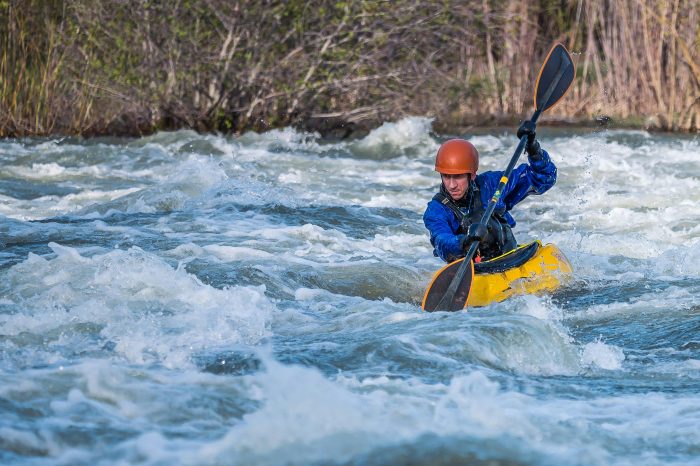
Whitewater kayaking – Whitewater kayaking involves a high capsize risk, physical impacts, and significant exertion that make it inappropriate during pregnancy. Avoid all whitewater paddling throughout pregnancy.
Sea kayaking in challenging conditions – Open coastal water in swell, wind, or surf carries a significant capsize risk and is not appropriate during pregnancy. Avoid exposed coastal paddling and stick to sheltered bays and calm inland water.
Paddling alone – Never paddle alone during pregnancy. Always paddle with a companion who knows you are pregnant, knows what to do in an emergency, and can assist with entry, exit, and self-rescue if needed.
Paddling when unwell or fatigued – Cancel or shorten any paddle session if you feel unwell, excessively tired, dizzy, or experience any unusual symptoms. Do not push through discomfort during pregnancy.
Hot weather paddling – Avoid paddling in extreme heat. High temperatures combined with the increased heat sensitivity of pregnancy create a significant risk of overheating and dehydration.
Practical Tips for Kayaking While Pregnant
Choose a wide, stable sit-on-top kayak
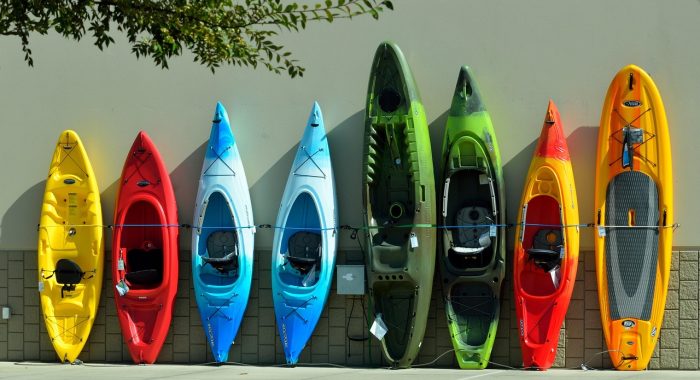
A wide, stable sit-on-top kayak is the most appropriate choice for pregnant paddlers. The open deck makes entry and exit significantly easier than a sit-inside design and the stable hull reduces the risk of capsize during the paddle.
Read: Best Inflatable Kayaks Under USD$500
Check your PFD fit before every paddle
As the pregnancy progresses, check that your PFD still fits correctly before every session. A PFD that fitted well at 12 weeks may not fit correctly at 20 weeks. Never paddle without a properly fitted PFD.
Read: Best Life Jackets for Kayak Fishing
Choose calm, sheltered water close to shore
Stick to calm lakes, slow rivers, and sheltered bays throughout pregnancy. Avoid any location where the conditions could deteriorate unexpectedly or where a capsize would be difficult to manage.
Paddle with a companion
Always paddle with at least one companion who knows you are pregnant and can assist if needed. Brief your companion on what to do in an emergency before launching.
Keep sessions short
Shorter sessions reduce fatigue and the risk of overexertion. Start with 30 to 45 minute paddles and extend only if you feel comfortable. Do not feel obligated to match your pre-pregnancy paddling distances or durations.
Stay well hydrated
Carry significantly more water than you think you will need and drink regularly throughout the paddle. Dehydration during pregnancy carries risks beyond those faced by non-pregnant paddlers and can occur more quickly in warm conditions.
Take extra care with entry and exit
Take more time than usual with every entry and exit. Use the paddle brace method and have your companion assist where possible. Choose gradual beach entries rather than docks or steep banks.
Read: How to Get In and Out of a Kayak
Listen to your body
Stop paddling and return to shore if you experience any unusual symptoms including dizziness, shortness of breath beyond what is expected for gentle exercise, abdominal pain, contractions, decreased fetal movement, vaginal bleeding, or swelling. Seek medical attention immediately if any of these symptoms occur.
After Kayaking: Postnatal Return to Paddling
After giving birth, most women are advised to wait until their postnatal check at around 6 to 8 weeks before returning to exercise. The timeline for returning to kayaking after birth depends on the type of delivery, any complications, and your individual recovery.
Discuss returning to kayaking specifically with your doctor or midwife at your postnatal check. A straightforward vaginal delivery with no complications typically allows a return to gentle exercise sooner than a caesarean section.
When you do return to kayaking after birth, start with short gentle sessions on calm water and build up gradually. Core stability is often reduced after birth and takes time to rebuild, which affects balance and paddling technique.
Frequently Asked Questions (FAQs)
Can I kayak in the first trimester?
For most women with uncomplicated pregnancies, gentle recreational kayaking on calm water is considered low risk in the first trimester. The main considerations are fatigue and nausea which are common in early pregnancy. Always discuss continuing exercise with your doctor or midwife and follow their specific guidance.
Is kayaking safe in the second trimester?
The second trimester is often the most comfortable period for pregnant paddlers as energy levels improve and nausea typically subsides. The growing abdomen begins to affect balance and centre of gravity so a wider, more stable kayak becomes increasingly important. Continue to avoid challenging conditions and consult your doctor before paddling.
Should I stop kayaking in the third trimester?
Most doctors and midwives advise against kayaking in the third trimester due to the significantly changed centre of gravity, reduced core stability, increased fatigue, and the risks associated with a capsize in late pregnancy. Discuss your specific situation with your doctor or midwife rather than making the decision independently.
What PFD should I wear when kayaking while pregnant?
Check that your existing PFD fits correctly as the pregnancy progresses. A standard PFD may not accommodate a growing abdomen correctly. Consider a belt pack style PFD that sits at the waist or a specialist maternity PFD. Never paddle without a correctly fitted PFD.
Can a capsize hurt my baby during pregnancy?
A capsize itself is not necessarily harmful but cold water immersion, the physical demands of self-rescue, and the stress of an unexpected capsize are all significant concerns during pregnancy. This is why avoiding conditions where a capsize is likely is so important for pregnant paddlers.
When can I return to kayaking after giving birth?
Most women are advised to wait until their postnatal check at around 6 to 8 weeks before returning to exercise. The timeline varies depending on the type of delivery and your individual recovery. Discuss returning to kayaking specifically with your doctor or midwife at your postnatal check.
Final Thoughts
Kayaking during pregnancy is possible for many women with uncomplicated pregnancies, particularly in the first and second trimesters, with appropriate precautions and medical guidance. The key principles are to get clearance from your doctor or midwife, choose calm sheltered water, use a wide stable sit-on-top kayak, ensure your PFD fits correctly, always paddle with a companion, and listen to your body throughout every session.
As the pregnancy progresses, be increasingly conservative about the conditions you paddle in and the duration of your sessions. There is no obligation to continue kayaking throughout pregnancy and it is perfectly reasonable to pause until after the birth if conditions, symptoms, or medical advice make it the safer choice.
Medical disclaimer: This article is intended as general practical information only. It is not a substitute for medical advice. Always consult your doctor or midwife before kayaking during pregnancy. If you experience any unusual symptoms during or after paddling, seek medical attention promptly.
For more on kayaking safely and comfortably, read our guides on is kayaking dangerous and kayaking for seniors.