Getting in and out of a kayak is one of the first practical skills every new paddler needs to master. It looks straightforward but an awkward entry or exit is one of the most common causes of capsizes for beginners, particularly in sit-inside kayaks where the cockpit is small and the balance point is less forgiving.
This guide covers how to get in and out of a kayak safely from a beach, a dock, and a riverbank, for both sit-on-top and sit-inside designs.
Sit-On-Top vs Sit-Inside: What Is the Difference for Entry and Exit?
The type of kayak you are paddling significantly affects how you get in and out.
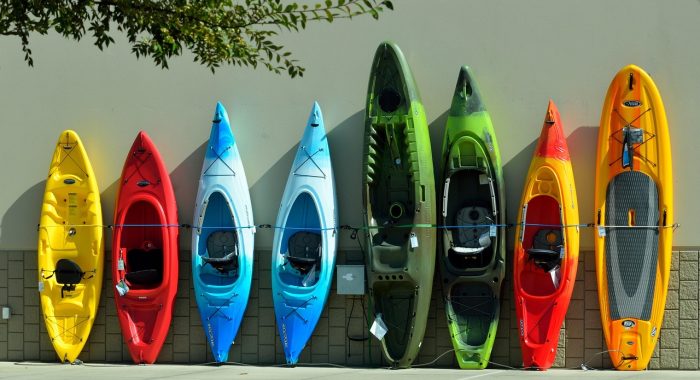
Sit-on-top kayaks have an open deck with no enclosed cockpit. Entry and exit is straightforward. You simply sit down onto the seat from a low bank or beach and slide off the same way. Sit-on-top kayaks are more stable during entry and exit and are significantly more forgiving of awkward movements. They are the recommended starting point for beginners partly for this reason.
Sit-inside kayaks have an enclosed cockpit that you lower yourself into. The entry process requires more care and balance as the cockpit opening limits your movement and the lower centre of gravity makes the kayak feel less stable during the transition. Sit-inside kayaks reward a smooth, controlled entry technique.
How to Get Into a Sit-On-Top Kayak
From a Beach
A gradual sandy beach is the easiest entry point for a sit-on-top kayak.
- Place the kayak in shallow water, deep enough that the hull is floating but shallow enough that you can stand comfortably beside it
- Position yourself beside the kayak at the seat location facing the bow
- Place your paddle across the kayak behind the seat so it is within reach
- Put both hands on the kayak deck on either side of the seat
- Sit down onto the seat in one smooth movement, lowering yourself rather than dropping
- Lift your legs onto the kayak one at a time and place your feet in the foot wells
- Pick up your paddle and you are ready to go
The key principle is to keep your centre of gravity low and central throughout the entry. Avoid reaching too far across the kayak or twisting your body as either movement shifts your weight off centre and risks tipping.
From a Dock
Entering from a dock requires a slightly different technique as you are stepping down onto the kayak rather than sitting down from the same level.
- Position the kayak parallel to the dock with the seat aligned to where you are standing
- Secure the kayak to the dock or have a companion hold it steady
- Crouch down on the dock beside the kayak
- Place your paddle across the kayak and dock behind you so it acts as a brace
- Place your closest hand on the dock and your other hand on the far side of the kayak
- Lower yourself onto the seat keeping your weight central
- Lift your legs onto the kayak one at a time
The key principle for dock entry is to transfer your weight smoothly without pushing the kayak away from the dock. Keep the kayak as close to the dock as possible throughout.
From a Riverbank
A steep or muddy riverbank requires more care than a beach entry.
- Find the flattest, most stable section of bank available
- Place the kayak in the water parallel to the bank with the cockpit beside you
- Crouch down on the bank
- Place one hand on the bank behind you and the other on the far side of the kayak
- Lower yourself onto the seat keeping your weight central
- Swing your legs into the foot wells one at a time
How to Get Out of a Sit-On-Top Kayak
Onto a Beach
- Paddle toward the shore and allow the kayak to ground gently in shallow water
- Place your paddle across the kayak within reach
- Swing both legs over one side of the kayak
- Place your feet on the bottom, testing the depth before committing your full weight
- Stand up beside the kayak and pull it clear of the water
Onto a Dock
- Approach the dock slowly and parallel
- Grab the dock with one hand to stop the kayak
- Place your paddle on the dock
- Place both hands on the dock
- Push yourself up onto the dock in one smooth movement keeping your weight over the centre of the kayak until the last moment
- Swing your legs up onto the dock
How to Get Into a Sit-Inside Kayak
From a Beach
- Place the kayak in shallow water parallel to the shore with the cockpit beside you
- Straddle the kayak just behind the cockpit, one foot on each side
- Place your paddle across the kayak behind the cockpit so it acts as a brace
- Lower yourself onto the back deck behind the cockpit seat
- Slide your legs forward into the cockpit one at a time
- Lower your bottom into the seat
- Adjust your foot pegs and pick up your paddle
The straddle entry is the most stable method for sit-inside kayaks in shallow water. It keeps your weight central throughout the entry and allows you to use both legs for balance.
Using the Paddle Brace Method
The paddle brace method is the most commonly taught entry technique for sit-inside kayaks and works well from both beaches and low docks.
- Position the kayak parallel to the shore or dock
- Place your paddle perpendicular to the kayak with the blade resting on the shore or dock and the shaft across the cockpit rim just behind the seat
- Grip the paddle shaft and the cockpit rim together with your shore-side hand
- Place your other hand on the paddle shaft on the far side of the kayak
- Lower yourself into the seat using the paddle as a brace
- Slide your legs into the cockpit one at a time
- Adjust your position and pick up your paddle
The paddle brace creates a stable outrigger effect that significantly reduces the risk of tipping during entry.
How to Get Out of a Sit-Inside Kayak
Onto a Beach
- Paddle to shore and allow the bow to ground gently
- Place your paddle across the cockpit rim within reach
- Place both hands on the cockpit rim beside your hips
- Push yourself up and forward out of the seat
- Swing your legs out of the cockpit one at a time
- Straddle the kayak and stand up in the shallow water
Using the Paddle Brace Method
- Position the kayak parallel to the shore or dock
- Place your paddle perpendicular to the kayak with the blade on the shore and the shaft across the cockpit rim
- Grip the paddle shaft and cockpit rim together with your shore-side hand
- Push yourself up out of the seat using the paddle brace for support
- Swing your legs out of the cockpit one at a time
- Stand up beside the kayak
Common Mistakes to Avoid
Stepping into the middle of the kayak
Never stand in the middle of the cockpit or on the centre of the deck. Always keep your weight over the centreline and transfer it smoothly rather than loading one side.
Moving too quickly
Rushed entries and exits cause most beginner capsizes. Take your time and move deliberately. A slow, controlled entry takes five seconds longer than a rushed one and is significantly less likely to end in the water.
Not securing the kayak first
A kayak that drifts away from the dock or shore while you are mid-entry is a common and awkward problem. Always secure the kayak or have a companion hold it before attempting entry from a dock or steep bank.
Forgetting about your paddle
Losing your paddle overboard during entry or exit leaves you unable to paddle back. Always place your paddle across the kayak within reach before starting your entry, or hand it to a companion.
Wearing inappropriate footwear
Bare feet or flat-soled shoes on a wet dock or muddy bank are a slipping hazard. Wear water shoes or neoprene boots that provide grip on wet surfaces.
Read: Best Kayaking Shoes
Tips for Specific Situations
Paddling solo (with no companion)
Practise your entry technique in shallow water close to shore where a capsize has no serious consequences. A solo paddler has no one to hold the kayak steady so the paddle brace method is particularly important.
Paddling with children
Get in the kayak first and have the child handed to you from the shore or dock. Never attempt to enter a kayak with a child in your arms.
Paddling with a dog
Train your dog to sit still in the kayak before attempting a water entry. An excited dog moving around the kayak during entry significantly increases capsize risk.
Read: Best Inflatable Kayaks for Dogs
Paddling as a senior or with limited mobility
A wider sit-on-top kayak, a gradual beach entry, and a paddle brace provide the most forgiving entry conditions for paddlers with limited mobility. Take extra time and choose your entry point carefully.
Frequently Asked Questions (FAQs)
How do I get into a kayak without tipping it?
Keep your weight central and low throughout the entry. Move slowly and deliberately. Use the paddle brace method for sit-inside kayaks and always secure the kayak before starting your entry. Practise in shallow calm water until the technique feels natural.
Is it hard to get in and out of a kayak?
For most people, getting in and out of a sit-on-top kayak is straightforward after a couple of attempts. Sit-inside kayaks require a little more technique but are manageable with practice. Choosing a stable wide kayak and a gradual beach entry point makes the process significantly easier.
What is the easiest type of kayak to get in and out of?
A wide sit-on-top recreational kayak is the easiest type to enter and exit. The open deck, wide stable hull, and self-draining design make it the most forgiving option for beginners and paddlers with limited mobility.
How do I get back into a kayak after capsizing?
Re-entry after a capsize in deep water is a more advanced skill. For beginners, the safest approach is to paddle in water shallow enough that you can stand up if you capsize, which makes re-entry straightforward.
Should I practise getting in and out of a kayak before my first paddle?
Yes. Practising the entry and exit technique on dry land or in very shallow water before your first proper paddle session builds confidence and reduces the risk of an awkward capsize at the launch point. Most beginner kayaking lessons include entry and exit practice as the first skill covered.
Final Thoughts
Getting in and out of a kayak comfortably is one of the first skills every paddler develops. The key principles are the same regardless of kayak type or entry point: keep your weight central, move slowly and deliberately, use a paddle brace for stability, and choose a forgiving entry point until the technique feels natural.
For more on getting started with kayaking, read our guides on is kayaking dangerous and what size kayak do I need.