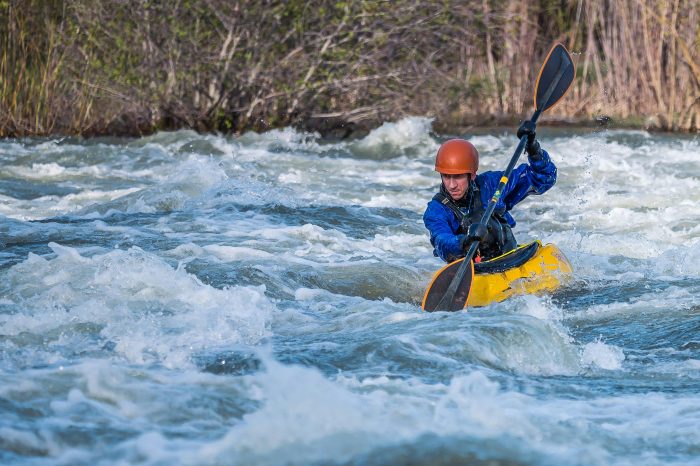
Kayaking with chronic obstructive pulmonary disease, commonly known as COPD, is achievable for many people and can be a genuinely valuable form of physical activity. The condition, which includes emphysema and chronic bronchitis, causes progressive breathing difficulty, but the seated, self-paced nature of kayaking makes it more manageable than many other forms of exercise.
Regular physical activity is one of the most consistently recommended interventions for people with COPD, improving breathlessness, fatigue, and overall quality of life over time. Kayaking offers a way to build this activity into a genuinely enjoyable outdoor pursuit rather than a clinical exercise programme.
This guide covers the specific breathing and energy management considerations for kayaking with COPD, practical adaptations, and how to build a sustainable paddling routine.
Medical disclaimer: This article is intended as practical paddling advice. It is not a substitute for medical advice. Always consult your doctor or respiratory specialist before kayaking with COPD, particularly if your condition is severe, you use supplemental oxygen, or you have had a recent exacerbation. Follow their specific guidance on physical activity.
Why Kayaking Suits People With COPD
Self-paced, low-intensity option available
Kayaking intensity is entirely self-directed. A gentle paddle on calm water can be kept to a very low intensity, allowing people with COPD to stay active without pushing beyond their current breathing capacity. This flexibility is significant for a condition where exercise tolerance varies day to day.
Upper body exercise without high cardiovascular demand
The seated paddling position means the legs are not required to bear weight or generate propulsion, unlike walking or cycling. For people with COPD, this can mean a lower overall oxygen demand for a given level of perceived effort compared to land-based activities that involve the legs more heavily.
Pursed lip breathing pairs naturally with paddling rhythm
Pursed lip breathing, a technique commonly taught to people with COPD to manage breathlessness, involves a slow controlled exhale. This rhythm pairs naturally with the steady cadence of a kayak paddle stroke, and many paddlers with COPD find it easier to coordinate breathing technique with paddling than with other forms of exercise.
Time outdoors and reduced air pollution exposure
Open water environments typically have cleaner air than urban or indoor environments, which is relevant for people with COPD who are sensitive to air quality. Time spent outdoors also supports the broader physical and mental health benefits associated with regular activity.
Breathing and Energy Management for Kayaking With COPD
Use pursed lip breathing during exertion
Breathe in slowly through the nose and exhale slowly through pursed lips, as if blowing out a candle, particularly during the more effortful part of the paddle stroke. This technique helps keep airways open longer during exhalation and can reduce the sensation of breathlessness during exertion.
Pace the paddle stroke deliberately
Avoid rushing the paddle stroke. A slower, more deliberate stroke rate reduces the overall oxygen demand of paddling and allows breathing to stay coordinated with movement rather than becoming rushed and shallow.
Build up gradually
Start with short sessions, such as 10 to 15 minutes, on calm water close to shore. Build up duration gradually as tolerance allows, guided by how breathing and fatigue respond rather than a fixed schedule.
Rest before fatigue and breathlessness become significant
Take rest breaks on the water before breathlessness becomes severe rather than waiting until it does. Floating calmly with the paddle resting across the cockpit allows recovery without needing to return to shore immediately.
Avoid paddling during a flare-up or exacerbation
Do not paddle during a COPD exacerbation or flare-up, when symptoms including breathlessness, cough, and sputum production are significantly worse than usual. Wait until symptoms have returned to your normal baseline and, if recommended by your respiratory specialist, until any course of treatment is completed.
Supplemental Oxygen and Kayaking
Some people with COPD use supplemental oxygen during physical activity. Kayaking with supplemental oxygen is possible with appropriate planning.
Securing the oxygen equipment – A portable oxygen concentrator or cylinder should be secured upright in a dry bag or waterproof case and positioned where it cannot shift or fall during paddling. Check with the equipment manufacturer regarding water exposure tolerance and follow their specific guidance.
Planning for equipment weight and balance – Account for the weight and placement of oxygen equipment when loading the kayak, as it affects balance and trim. A wide, stable kayak accommodates this additional equipment more comfortably than a narrow performance kayak.
Discuss specifics with your respiratory team – Talk to your respiratory specialist or oxygen equipment provider about the specific considerations for using supplemental oxygen near or on water, including equipment water resistance, battery life for portable concentrators, and what to do if the equipment becomes wet.
Cold Air and Kayaking With COPD
Cold air is a common trigger for breathlessness and airway irritation in people with COPD. This is relevant for kayaking since cooler temperatures are often found near water, particularly in early morning or evening sessions.
Cover the nose and mouth in cold conditions – A lightweight scarf, buff, or breathable face covering worn loosely over the nose and mouth in cold weather warms the air slightly before it is inhaled, which can reduce airway irritation for some people with COPD.
Choose milder conditions where possible – Where there is flexibility in timing, choose milder days or the warmer parts of the day for paddling, particularly during colder months, to reduce the likelihood of cold air triggering breathlessness.
Read: Kayaking in Cold Weather
Choosing the Right Kayak for COPD
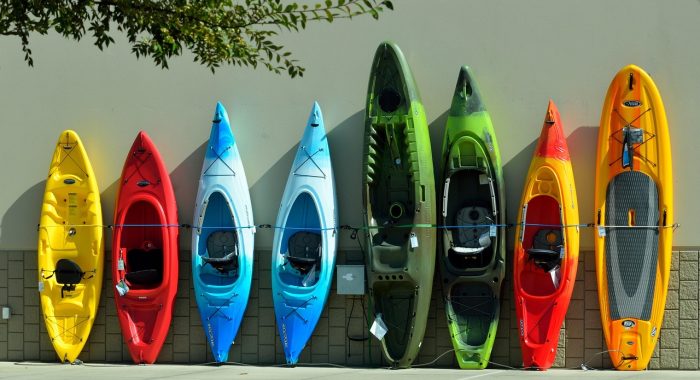
Wide, stable sit-on-top kayak – A wide, stable sit-on-top kayak reduces the active balance correction required during paddling, which in turn reduces unnecessary exertion. The open deck also makes entry and exit easier than a sit-inside design, reducing the physical demand of getting in and out.
Lightweight kayak and accessories – A lighter kayak reduces the effort required to transport and launch, conserving energy for the paddle itself. Lightweight paddles and accessories provide a similar benefit, reducing the cumulative effort of a session.
Read: Best Inflatable Kayaks Under USD$500
Comfortable, supportive seat – A well-padded seat with proper back support reduces overall body fatigue during a session, allowing more energy to be directed toward breathing and paddling rather than maintaining posture.
Read: Best Kayak Seats
Kayak cart – A kayak cart reduces the physical demand of transporting the kayak to and from the water, which can otherwise be one of the more breathless-inducing parts of a paddling session for someone with COPD.
Safety Considerations
Always paddle with a companion
Paddling alone with COPD is not recommended. A companion can assist with launch and retrieval, recognise if breathlessness becomes concerning, and call for help if needed.
Carry a means of communication
Carry a fully charged mobile phone in a waterproof case. If supplemental oxygen or other medical equipment is used, ensure a companion knows its location and basic operation in case assistance is needed.
Know your personal warning signs
Be familiar with your own warning signs that indicate it is time to stop and rest or return to shore, such as a level of breathlessness that does not ease with pursed lip breathing and rest, chest tightness, or unusual fatigue. Agree on these warning signs with your paddling companion in advance.
Choose calm, sheltered water
Paddle on calm, sheltered water close to shore, particularly when starting out or trying a new route. Wind and chop increase the physical effort required and can increase breathlessness unexpectedly.
Resources for Paddlers With COPD
Australia:
- Lung Foundation Australia — lungfoundation.com.au — provides COPD-specific resources, including guidance on exercise and pulmonary rehabilitation
- Better Health Channel — betterhealth.vic.gov.au — general health information on COPD and physical activity
United States:
- COPD Foundation — copdfoundation.org — patient resources and activity guidance for people with COPD
- American Lung Association — lung.org — COPD information and support resources
United Kingdom:
- British Lung Foundation (Asthma + Lung UK) — asthmaandlung.org.uk — COPD resources including exercise guidance
Frequently Asked Questions (FAQs)
Can you kayak with COPD?
Many people with COPD can kayak safely with appropriate pacing, breathing technique, and precautions. The self-paced, seated nature of kayaking makes it more manageable than many other forms of exercise. Always consult your doctor or respiratory specialist before starting, particularly if your COPD is severe or you use supplemental oxygen.
What breathing technique helps with kayaking and COPD?
Pursed lip breathing, which involves a slow controlled exhale through pursed lips, is commonly used by people with COPD to manage breathlessness and pairs naturally with the steady rhythm of a paddle stroke. Practising this technique on land first can help build familiarity before using it while paddling.
Can I kayak with supplemental oxygen?
Yes, with appropriate planning. Secure the oxygen equipment upright in a waterproof case, account for its weight and placement when loading the kayak, and discuss specific considerations with your respiratory specialist or equipment provider before paddling.
Is cold air a problem for kayaking with COPD?
Cold air can trigger breathlessness and airway irritation in some people with COPD. Covering the nose and mouth loosely with a breathable fabric in cold conditions and choosing milder paddling times where possible can help manage this.
How long should a kayaking session be with COPD?
Start with short sessions of around 10 to 15 minutes and build up gradually based on how breathing and fatigue respond, rather than following a fixed schedule. Rest before breathlessness becomes severe rather than waiting until it does.
What type of kayak is best for someone with COPD?
A wide, stable sit-on-top kayak is generally the most suitable choice. It reduces the balance demands of paddling, makes entry and exit easier than a sit-inside design, and accommodates additional equipment such as supplemental oxygen more comfortably than a narrow kayak.
Final Thoughts
Kayaking with COPD is achievable for many people and can provide genuine physical and mental health benefits when approached with appropriate pacing, breathing technique, and precautions. The most important principles are to use pursed lip breathing during exertion, pace the paddle stroke deliberately, build up gradually, avoid paddling during a flare-up, and always paddle with a companion.
Medical disclaimer: This article is intended as practical paddling advice. It is not a substitute for medical advice. Always consult your doctor or respiratory specialist before kayaking with COPD.
For more on kayaking safely with health conditions, read our guides on kayaking with asthma and kayaking for seniors.