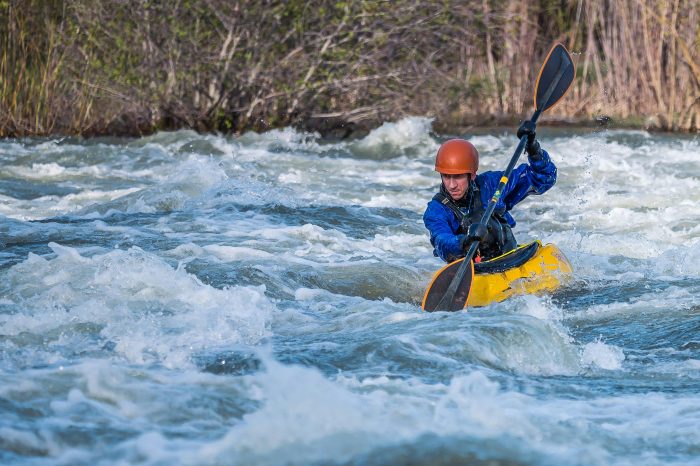
Kayaking in cold weather opens up a season of paddling that most recreational kayakers miss entirely. Autumn and winter paddling offers uncrowded waterways, stunning scenery, and a unique experience on the water that warm weather paddling cannot match.
The challenge is managing the cold safely. Cold water and cold air present genuine risks that require specific preparation, the right clothing, and a conservative approach to conditions. With the right gear and knowledge, cold weather kayaking is as safe and enjoyable as summer paddling.
This guide covers the risks of cold weather kayaking, what to wear, how to prepare, and how to paddle safely in cold conditions.
The Main Risk: Cold Water, Not Cold Air
The most important principle of cold weather kayaking is to dress for the water temperature, not the air temperature. A paddler who capsizes in 10 degree Celsius (50 degree Fahrenheit) water on a mild autumn day faces the same cold water risk as one who capsizes in the same water on a freezing winter morning.
Cold water immersion triggers a series of physiological responses that can incapacitate a swimmer very quickly regardless of their fitness level.
Cold shock – In the first 30 seconds to 3 minutes of cold water immersion, the sudden temperature change triggers an involuntary gasp reflex and rapid breathing. If the head is underwater during this phase, inhaling water is a serious risk. Cold shock also raises heart rate and blood pressure suddenly which can trigger cardiac events in susceptible individuals.
Swimming failure – After 3 to 30 minutes in cold water, muscle function in the arms and legs deteriorates rapidly. The ability to swim, self-rescue, or re-enter a kayak reduces significantly. In water below 10 degrees Celsius (50 degrees Fahrenheit), a fit adult may lose effective swimming ability within 10 minutes.
Hypothermia – After 30 minutes or more in cold water, core body temperature begins to drop significantly. Hypothermia causes confusion, loss of coordination, and eventually unconsciousness. The time to incapacitation depends on water temperature, body composition, and clothing.
Understanding these risks does not mean cold weather kayaking is too dangerous. It means understanding what the consequences of a capsize are and preparing accordingly.
What To Wear for Cold Weather Kayaking
The layering system – Cold weather kayaking clothing works in three layers. A moisture-wicking base layer against the skin, an insulating mid layer for warmth, and a waterproof outer layer to keep wind and water out. Each layer serves a specific purpose and the combination protects against both cold air and cold water immersion.
Base layer – A moisture-wicking synthetic or merino wool base layer moves sweat away from the skin and maintains warmth even when damp. Avoid cotton as a base layer as it absorbs moisture and loses all insulating properties when wet. Synthetic fabrics and merino wool maintain warmth when wet which is critical for cold water kayaking.
Mid layer – A fleece or synthetic insulating mid layer provides warmth over the base layer. Fleece is the most practical choice for kayaking as it maintains insulating properties when wet and dries quickly. Down insulation is not suitable for kayaking as it loses all insulating properties when wet.
Outer layer (wetsuit or drysuit) – The choice between a wetsuit and a drysuit is the most important clothing decision for cold weather kayaking.
A wetsuit works by trapping a thin layer of water between the suit and the skin which the body heats and which then provides insulation. Wetsuits are practical, affordable, and suitable for recreational cold weather paddling in most conditions. A 3mm to 5mm thickness neoprene wetsuit provides adequate protection for most Australian cold weather paddling conditions.
A drysuit keeps the paddler completely dry by sealing at the wrists, neck, and ankles. Drysuits are worn over insulating layers and provide the best protection against cold water immersion. They are significantly more expensive than wetsuits but are the recommended choice for serious cold weather paddling in very cold water.
Read: Is Neoprene Waterproof? A Guide for Kayakers
Extremity protection – The hands, feet, and head lose heat rapidly in cold conditions and are often the first areas to become painfully cold or numb. Neoprene gloves, neoprene boots, and a neoprene beanie or thermal hat are essential accessories for cold weather paddling.
Numb hands significantly affect paddle grip and control. Cold feet make entry and exit more difficult and less safe. A cold head accelerates overall body heat loss as the head is one of the body’s primary heat loss points.
Read: Best Kayaking Gloves
PFD – Wear a PFD on every cold weather paddle without exception. In cold water, the time available to self-rescue is dramatically reduced compared to warm water. A PFD keeps an incapacitated paddler face-up in the water and significantly improves survival chances after a cold water capsize.
The 120 Degree Rule
A practical rule used by many cold weather paddlers is the 120 degree rule. Add the air temperature in degrees Fahrenheit to the water temperature in degrees Fahrenheit. If the combined total is below 120 degrees Fahrenheit (roughly 49 degrees Celsius combined), treat the conditions as cold water hazardous and dress for immersion in a wetsuit or drysuit.
For example, if the air temperature is 15 degrees Celsius (59 degrees Fahrenheit) and the water temperature is 12 degrees Celsius (54 degrees Fahrenheit), the combined total in Fahrenheit is 59 plus 54 equals 113 — below 120, so dress for immersion.
This rule is a practical guide rather than a definitive safety threshold. When in doubt, always dress for the water temperature rather than the air temperature.
Cold Weather – Paddling Safety
Paddle with a companion – Paddling alone in cold water conditions significantly increases the risk of a fatal outcome from a capsize. A companion can assist with self-rescue, provide warmth, and call for emergency assistance. Never paddle alone in cold water conditions.
Tell someone your plans – Always tell a family member or friend your planned route, launch point, and expected return time before cold weather paddles. If you do not return on time, they can raise the alarm.
Stay close to shore – In cold water conditions, stay close to shore throughout the paddle. The closer you are to shore, the shorter the swim if you capsize and the faster you can get out of the water and begin warming up.
Keep sessions shorter – Cold weather paddling is more physically demanding than warm weather paddling. Paddling muscles fatigue faster in the cold and maintaining warmth requires energy that the body would otherwise use for paddling. Keep sessions shorter in cold weather and build up duration gradually as your cold weather fitness develops.
Warm up before launching – Five to ten minutes of gentle exercise before launching raises core temperature and gets the muscles working before they are exposed to cold conditions. A brief warm-up reduces the shock of the cold and improves paddling performance in the first part of the session.
Know the signs of hypothermia – The early signs of hypothermia include shivering, clumsiness, slurred speech, and confusion. If you or a paddling companion shows these signs on the water, head to shore immediately, get out of wet clothing, and apply warmth. Seek medical attention if symptoms are severe.
Have a warm change of clothes ready – Keep dry warm clothing and a hot drink in your vehicle or at the launch point. Getting into warm dry clothes immediately after a cold weather paddle prevents the continued heat loss that occurs when wet or damp clothing is left on after paddling.
Choosing the Right Conditions for Cold Weather Paddling
Water temperature – Water temperature below 10 degrees Celsius (50 degrees Fahrenheit) is the threshold at which cold water immersion risks become most significant. Check water temperatures for your paddling location before heading out. Water temperature data for many Australian waterways is available through Bureau of Meteorology sea surface temperature charts.
Wind – Wind accelerates heat loss significantly in cold weather through windchill. A calm cold day is significantly warmer than a windy cold day at the same air temperature. Cold weather paddling in strong wind compounds the risk of both cold air exposure and cold water capsize risk.
Visibility – Shorter daylight hours in autumn and winter mean cold weather paddles are more likely to extend into low-light conditions. Plan sessions to finish well before dark and carry a kayak light as a precaution.
Read: Best Kayak Lights for Night Paddling
Avoid ice – In regions where waterways freeze in winter, avoid paddling near ice. Ice can damage kayak hulls, block escape routes to shore, and create hazards that are difficult to assess from the water.
Self-Rescue in Cold Water
Knowing how to self-rescue is important for all kayakers but is critical for cold weather paddlers where the window for effective self-rescue is significantly shorter than in warm water.
Re-entry and roll – An Eskimo roll is the fastest self-rescue technique for sit-inside kayaks in cold water. If you paddle a sit-inside kayak in cold water conditions regularly, learning to roll is worth the investment in lessons and practice.
Paddle float re-entry – A paddle float inflates and attaches to a paddle blade, creating an outrigger that provides stability for re-entering a sit-inside kayak from the water. A paddle float is a practical self-rescue tool for recreational sit-inside kayakers who have not learned to roll.
Sit-on-top re-entry – Sit-on-top kayaks are significantly easier to re-enter from the water than sit-inside designs as there is no cockpit to climb into. Simply pull yourself back onto the deck from the water. Practise this technique in warm shallow water before attempting it in cold water conditions.
Get out of the water as fast as possible – In cold water, the priority after a capsize is to get out of the water as quickly as possible. If you cannot re-enter your kayak, swim or float to the nearest shore rather than attempting complex self-rescue techniques in the water.
Cold Weather Kayaking Checklist
Before every cold weather paddle run through this checklist:
- Wetsuit or drysuit appropriate for water temperature
- Moisture-wicking base layer
- Insulating mid layer
- Neoprene gloves, boots, and hat
- Correctly fitted PFD
- Kayak light in case of low light conditions
- Hot drink and warm change of clothes at the launch point
- Informed a friend or family member of your plans
- Checked wind and weather forecast
- Checked water temperature
- Paddling with a companion
Frequently Asked Questions (FAQs)
Is it safe to kayak in cold weather?
Yes, with the right preparation and clothing. The key is to dress for the water temperature rather than the air temperature, paddle with a companion, stay close to shore, and know the signs of cold shock and hypothermia. Cold weather kayaking is as safe as warm weather paddling for prepared paddlers.
What should I wear kayaking in cold weather?
Dress for the water temperature rather than the air temperature. A wetsuit or drysuit over moisture-wicking base layers provides the best protection against cold water immersion. Add neoprene gloves, boots, and a hat to protect the extremities. Always wear a properly fitted PFD.
What is the minimum safe water temperature for kayaking?
There is no single minimum safe temperature as the risk depends on your clothing, experience, and how long you would be in the water after a capsize. As a practical guide, water below 10 degrees Celsius (50 degrees Fahrenheit) requires a wetsuit or drysuit and a conservative approach to conditions and distance from shore.
What is the 120 degree rule for kayaking?
The 120 degree rule states that if the combined air and water temperature in degrees Fahrenheit is below 120, treat the conditions as cold water hazardous and dress for immersion. It is a practical guide rather than a definitive safety threshold.
What is the difference between a wetsuit and a drysuit for kayaking?
A wetsuit traps a thin layer of water against the skin which the body heats for insulation. A drysuit keeps the paddler completely dry by sealing at the wrists, neck, and ankles. Drysuits provide better protection in very cold water but are significantly more expensive. A wetsuit is sufficient for most recreational cold weather paddling conditions.
How do I warm up after cold weather kayaking?
Get into warm dry clothing immediately after paddling. A hot drink helps raise core temperature. If you are shivering significantly, get into a warm environment as quickly as possible. Avoid hot showers immediately after cold water immersion as the sudden temperature change can cause a blood pressure drop.
Final Thoughts
Cold weather kayaking is one of the most rewarding forms of paddling for those who embrace it. The combination of quiet waterways, dramatic scenery, and the satisfaction of paddling in conditions others avoid makes it a genuinely special experience.
The key to enjoying it safely is simple: dress for the water temperature, paddle with a companion, stay close to shore, and keep sessions appropriate for the conditions. With the right preparation, the cold weather paddling season is as enjoyable and safe as any other time of year.
For more on kayaking safety and preparation, read our guides on is kayaking dangerous and best kayaking gloves.