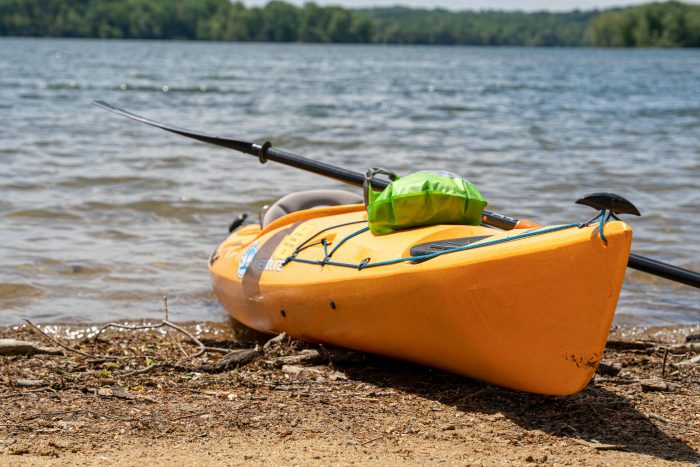
A kayak is a significant investment, and an easy target for thieves if left unattended. Unlike a bicycle, kayaks are large and difficult to hide, which makes them visible targets whether stored at home, on a roof rack, or at a campsite.
The good news is that locking a kayak properly is straightforward. This guide covers the best ways to secure your kayak in different situations, from home storage to camping trips.
How To Lock Your Kayak At Home
The safest place to store a kayak is inside a locked garage or shed. If indoor storage is not possible, keep the kayak as close to your home as possible and out of direct sight from the street.
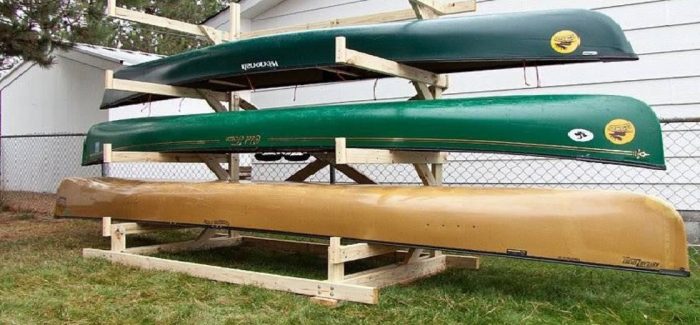
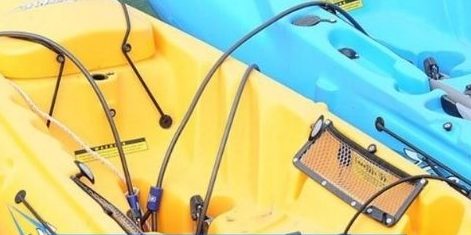
For outdoor storage, secure the kayak to a fixed structure using a cable lock threaded through the scupper holes or around the hull. Wall-mounted kayak racks attached to the exterior of your home or garage provide a good anchor point. A kayak cover adds an extra layer of deterrence by keeping the kayak out of sight.
Read more: How to Build a Kayak Rack
How To Lock Your Kayak When Travelling
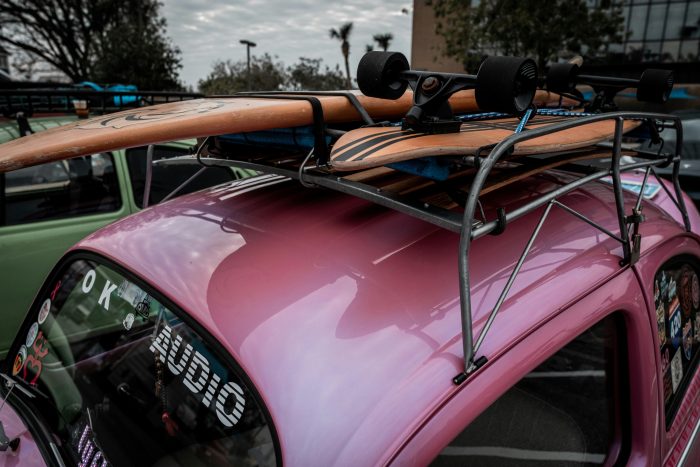
When transporting your kayak on a roof rack, use a cable lock in addition to your tie-down straps. Thread the cable through the scupper holes on a sit-on-top kayak, or loop it around the hull and through a secure point on your roof rack.
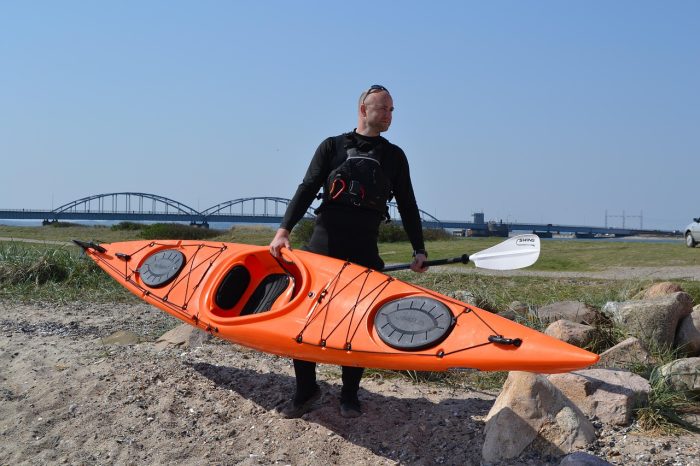
For sit-inside kayaks without scupper holes, a loop cable lock threaded through the cockpit and around the roof rack crossbars provides a reasonable deterrent. The goal is to make the kayak difficult and time-consuming to remove, which discourages opportunistic theft.
Never leave a kayak unattended on a roof rack overnight if you can avoid it. Even with a cable lock in place, a determined thief with time and tools can defeat most systems.
Read more: Best Kayak Locks
Locking Inflatable Kayaks
Inflatable kayaks are easier to secure than hard-shell models because they can be deflated, packed into a bag, and stored inside. If you are camping or travelling, deflating and storing your inflatable kayak in your tent or vehicle overnight is the simplest and most effective security measure.
If you need to leave an inflatable kayak inflated and unattended, use a cable lock threaded through a carry handle or D-ring and attached to a fixed structure. Choose a solid anchor point as inflatable kayaks are light enough to be lifted over loose anchor points if there is enough slack in the cable.
Securing Your Kayak on a Camping Trip
On a multi-day camping trip, your vehicle may not always be nearby to use as an anchor point. Look for fixed natural structures like large trees or wooden dock posts to loop a cable lock around.
Keep the cable short with minimal slack. A long cable gives a thief room to manoeuvre and potentially slide the kayak free. A short, tight cable attached to a solid anchor point is significantly harder to defeat.
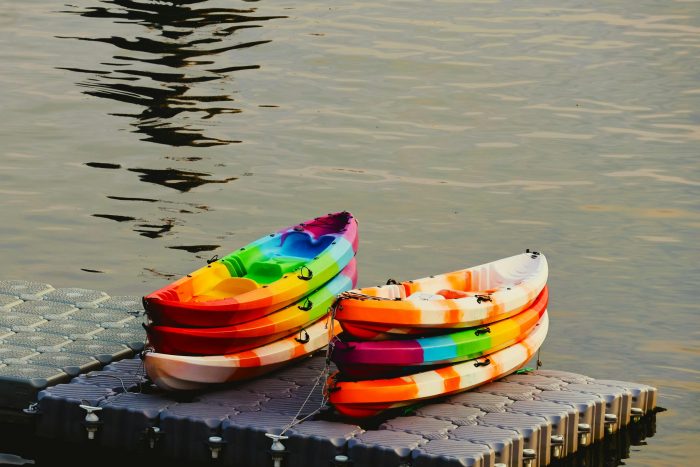
If you are camping with other paddlers, locking multiple kayaks together in addition to anchoring to a fixed point makes them much harder to remove quickly.
Additional Tips To Keep Your Kayak Safe
Keep It Out Of Sight
A kayak stored in plain view is more tempting to opportunistic thieves than one that is hidden. Use a kayak cover to conceal it from the street, or store it behind a fence or screen where it is not immediately visible.
Note Your Hull Identification Number (HIN)
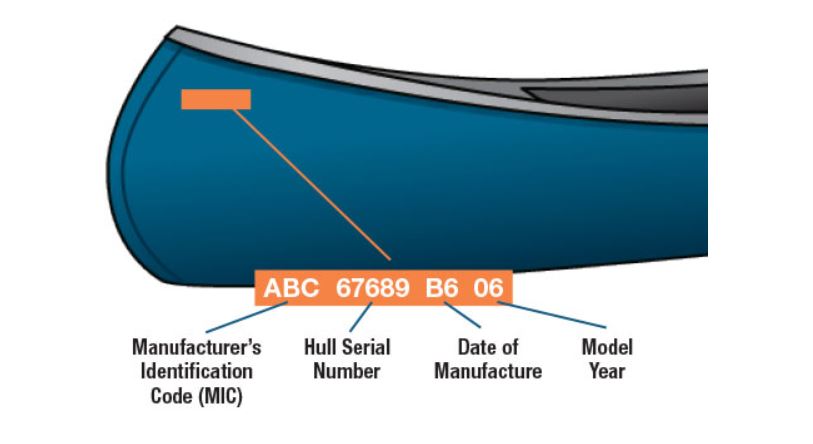
Every kayak has a Hull Identification Number (HIN) stamped near the stern. Record this number and store it somewhere safe. If your kayak is stolen, reporting the HIN to police significantly improves the chances of recovery if it is found or resold. Consider marking the HIN in a hidden secondary location on the hull as a precaution against thieves trying to remove it.
Consider Kayak Insurance
Kayaks can be covered under home and contents insurance in many cases. Check your existing policy to see if watercraft or recreational equipment is included. If not, specialist watercraft insurance is available and worth considering if your kayak represents a significant investment. Make sure any policy covers gear stored outside your home as well as during transport.
Register Your Kayak
In some states and territories, registering your kayak with local authorities creates an official ownership record that can help with recovery in the event of theft.
Track your kayak
Prevent theft and ensure your personal safety by using a GPS Tracker. Read: Best GPS Trackers for Kayaks
Final Thoughts
No lock is completely theft-proof, but making your kayak difficult and time-consuming to steal is enough to deter most opportunistic thieves. The basics are straightforward: use a quality cable lock, anchor to a fixed structure, keep the kayak out of sight, and record your HIN.
For product recommendations, read our guide to the best kayak locks to find the right cable or chain lock for your situation.
For more on kayak storage and security, read our guides on how to store a kayak and are kayak racks really necessary.