Kayaking with post-traumatic stress disorder can be a genuinely therapeutic and rewarding activity for many people, and there is a growing body of evidence and practice supporting nature-based and water-based activities as part of PTSD recovery. At the same time, the specific triggers, hypervigilance, and emotional responses associated with PTSD require thoughtful planning to ensure the water environment feels safe rather than overwhelming.
This guide covers the specific considerations for kayaking with PTSD, including managing triggers on the water, the therapeutic aspects of paddling, building a safe and gradual introduction to the activity, and how to make kayaking a sustainable, genuinely helpful part of a broader wellbeing routine.
Important note: This article is intended as practical paddling advice and general information about the potential benefits of nature-based activity for people with PTSD. It is not a substitute for professional mental health treatment. If you are living with PTSD, please work with a qualified mental health professional as the primary basis of your care. Kayaking may be a valuable complement to treatment, but it is not a replacement for it.
Why Kayaking Can Suit People With PTSD
Time in nature and blue space
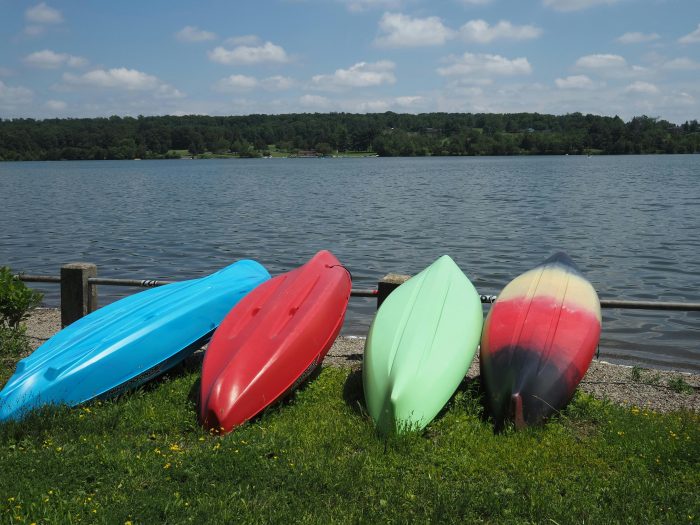
There is consistent and growing evidence that time spent near, on, or in water — sometimes called “blue space” — is associated with reduced stress, improved mood, and a greater sense of calm. For people with PTSD, who often experience a chronically elevated stress response, the calming effect of the water environment can be genuinely meaningful rather than simply pleasant.
Rhythmic, repetitive movement
The forward paddle stroke is a smooth, repetitive bilateral movement that many people find naturally regulating. Rhythmic movement is a well-recognised grounding technique and is used in several evidence-based PTSD treatments, including EMDR (Eye Movement Desensitisation and Reprocessing), which uses bilateral stimulation as part of its therapeutic mechanism. While kayaking is not a clinical intervention, the rhythmic bilateral nature of paddling may contribute to its reported calming effect for many people.
A sense of agency and control
PTSD often involves a profound sense of loss of control, safety, and agency. Kayaking offers a activity where the paddler is genuinely in control of pace, direction, distance, and when to stop — a meaningful contrast to the helplessness that can characterise PTSD experiences.
Mindfulness in motion
The combination of physical movement, sensory engagement with the water environment, and the practical focus required to paddle effectively naturally draws attention to the present moment. This present-moment focus is central to mindfulness-based approaches to PTSD, and many people with PTSD describe paddling as one of the few activities where intrusive thoughts recede naturally.
Established therapeutic programmes
Kayaking and paddling are used in structured therapeutic programmes for people with PTSD in several countries, including veteran-specific programmes that use kayaking as part of a broader nature-based therapy approach. These programmes report meaningful benefits for participants, including reduced anxiety, improved sleep, and greater sense of community.
Understanding Triggers in the Water Environment
PTSD triggers are highly individual — what triggers one person may have no effect on another, and triggers are not always predictable or rational. Some aspects of the water environment may be triggering for some people with PTSD, and being aware of potential triggers in advance helps with planning and preparation.
Water-related trauma
For people whose PTSD is related to water-based trauma — near-drowning, flooding, maritime incidents, or other water-related events — kayaking may itself be triggering, at least initially. This does not mean kayaking is impossible or inadvisable, but it does mean a very gradual, supported introduction is important, and that working with a mental health professional who can support the process is particularly valuable.
Sudden loud noises
Motorised boat engines, jet skis, and unexpected sounds on the water can be startling for people with hypervigilance associated with PTSD. Choosing quiet, calm waterways away from boat traffic reduces this exposure significantly.
Being approached unexpectedly
Other paddlers or watercraft approaching without warning can trigger a hypervigilant response. Paddling on less busy waterways and choosing quieter times of day reduces unplanned encounters.
Feeling trapped or unable to escape
Sit-inside kayaks with a spray skirt, which enclose the lower body, may feel confining or triggering for some people with PTSD. A wide, open sit-on-top kayak provides a more open, spacious feeling and an easier exit if needed.
Heat and sun exposure
Some medications used in PTSD treatment increase sensitivity to heat and sunlight. Check specific medication considerations with a doctor or pharmacist before extended time on the water.
Building a Safe and Gradual Introduction
Start with familiarity and control
Begin with a single session at a calm, familiar location with no pressure to paddle a specific distance or duration. The goal of a first session is simply to experience being on the water and assess how it feels, not to achieve any particular outcome.
Choose a trusted companion for early sessions
Paddling with a trusted person — someone who understands the PTSD context and can be relied upon to respond calmly and supportively if difficulties arise — provides both practical safety and emotional safety for early sessions. This is different from paddling with a guide paddler in a formal sense; it is simply paddling with someone who feels safe.
Have an exit plan
Know in advance that it is completely acceptable to end a session at any point, for any reason, without explanation or justification. Having this explicit permission can reduce the anxiety associated with feeling obligated to continue even if the experience becomes difficult.
Identify grounding strategies in advance
Have a personal grounding strategy identified and practised before getting on the water — something that works reliably to reduce distress in triggering situations. This might be focused breathing, a specific phrase, focusing on physical sensations, or another strategy developed with a therapist. Having this available and familiar before launching means it is accessible if needed on the water.
Discuss kayaking with your treating professional
Before starting, discuss the plan to try kayaking with a treating mental health professional. They can help identify specific considerations relevant to individual triggers and trauma history, and can support the process if difficulties arise.
Kayaking as Part of a Broader Wellbeing Routine
Kayaking is most valuable for people with PTSD when it is part of a broader approach to wellbeing that includes professional treatment and other supportive activities, rather than as a standalone intervention.
Regular, routine paddling
Building kayaking into a regular, predictable routine — the same location, the same time, the same companions — leverages the benefit of predictability and routine that many people with PTSD find helpful. Over time, the familiar water environment, the known sensory experience, and the established routine can become a genuinely grounding and regulating part of the week.
Paddling with a supportive community
Some people with PTSD find that paddling with a small, trusted group of people who share similar experiences — such as a veteran-specific paddling group — provides both the benefits of the activity itself and the therapeutic benefit of peer connection and shared experience. This is distinct from a general paddling group, where social demands might be higher and less predictable.
Tracking how sessions affect mood and sleep
Many people with PTSD who paddle regularly report improved sleep on paddling days and a noticeable reduction in anxiety in the hours after a session. Keeping a simple note of how sessions affect mood and sleep over time can build evidence of the activity’s personal benefit and motivation to continue.
Specific Considerations for Veterans
Veterans are disproportionately represented among people living with PTSD, and veteran-specific kayaking and paddling programmes exist in several countries specifically because of the documented benefits of paddling for this community.
Veteran-specific programmes in Australia:
- Open Arms — openarms.gov.au — veterans and families counselling service that can provide referrals to veteran-specific activity programmes
- Soldier On — soldieron.org.au — supports veterans and their families with physical and social activities including outdoor programmes
If a veteran-specific paddling programme exists in your area, this is often a more appropriate starting point than a general learn-to-kayak course, given the shared experience and understanding within the group.
Choosing the Right Kayak and Equipment
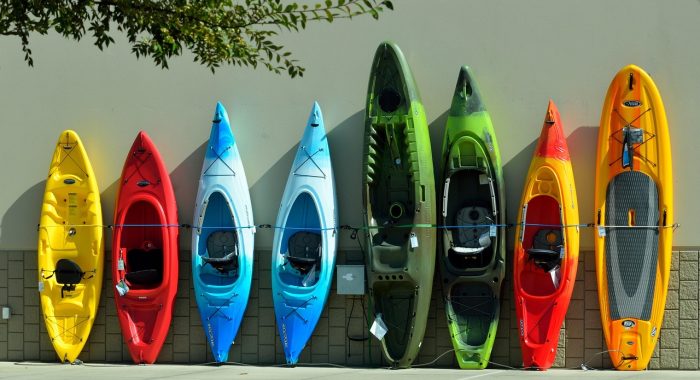
Wide, open sit-on-top kayak
A wide, open sit-on-top kayak is strongly preferred over a sit-inside design for someone with PTSD, particularly if feeling enclosed or unable to exit quickly is a potential trigger. The open deck, easy exit, and stable platform all contribute to a greater sense of safety and control.
Comfortable, supportive seat
A comfortable seat reduces physical distraction during a session, allowing more attention to be directed toward the calming aspects of the experience rather than managing discomfort.
Read: Best Kayak Seats
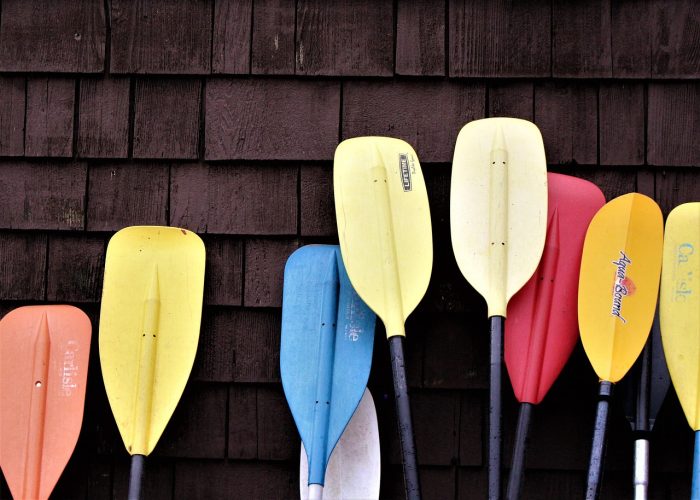
Lightweight paddle
A lighter paddle reduces physical fatigue, allowing sessions to remain genuinely relaxing rather than effortful.
Waterproof phone case
Carrying a phone in a waterproof case provides both emergency communication capability and the reassurance of being able to contact someone if needed — a meaningful safety consideration for someone managing anxiety and hypervigilance.
Read: Best Waterproof Phone Cases for Kayaking
Safety Considerations
Never paddle during a crisis
Do not paddle during a period of acute mental health crisis, significant dissociation, or when PTSD symptoms are severely elevated. Wait until symptoms have stabilised before returning to the water.
Inform a trusted person of paddling plans
Always tell a trusted person where you are paddling and when you expect to return, particularly when paddling alone. This is good practice for any paddler but is particularly important for someone managing PTSD, where unexpected difficulties on the water may be harder to manage alone.
Avoid alcohol before paddling
Alcohol interacts with many medications used in PTSD treatment and impairs judgment and reaction time on the water. Avoid alcohol before any paddling session.
Know when to seek support
If a paddling session triggers significant distress that does not resolve within a reasonable time after returning to shore, reach out to a mental health professional or crisis support service rather than managing alone.
Resources
Australia:
- Beyond Blue — beyondblue.org.au — mental health support and information
- Open Arms — openarms.gov.au — veterans and families counselling, 1800 011 046
- Phoenix Australia — phoenixaustralia.org — national centre of excellence in post-traumatic mental health
- Lifeline — lifeline.org.au — 13 11 14 — crisis support available 24 hours
United States:
- National Center for PTSD — ptsd.va.gov — comprehensive PTSD resources
- Give an Hour — giveanhour.org — mental health support for veterans and communities
United Kingdom:
- Combat Stress — combatstress.org.uk — veteran-specific mental health support
- Mind — mind.org.uk — mental health information and support
Frequently Asked Questions (FAQs)
Is kayaking good for PTSD?
There is growing evidence and practice supporting nature-based and water-based activities as a complement to PTSD treatment. Kayaking specifically offers rhythmic bilateral movement, time in calming blue space, a sense of agency and control, and natural present-moment focus — all of which may be beneficial for people with PTSD. It is a complement to professional treatment, not a replacement for it.
What triggers should I be aware of when kayaking with PTSD?
Common triggers in the water environment include sudden loud noises from motorised boats, being approached unexpectedly, feeling enclosed in a sit-inside kayak, and for people with water-related trauma, the water environment itself. Identifying personal triggers in advance and planning around them — choosing quiet waterways, paddling at quieter times, using a sit-on-top kayak — significantly reduces exposure.
Can I paddle alone with PTSD?
For early sessions, paddling with a trusted companion is strongly recommended. Once comfortable and with an established routine, some people with PTSD prefer solo paddling for its solitude and meditative quality. This is an individual decision that may evolve over time as confidence and familiarity with the water environment builds.
Are there specific kayaking programmes for veterans with PTSD?
Yes. Veteran-specific kayaking and paddling programmes exist in several countries, including Australia, specifically because of the documented benefits of paddling for veterans with PTSD. Contact Open Arms or Soldier On in Australia for referrals to appropriate programmes.
What type of kayak is best for someone with PTSD?
A wide, open sit-on-top kayak is strongly preferred, as it avoids the enclosed feeling of a sit-inside cockpit and allows easy exit at any point. Stability, openness, and the ability to exit quickly and easily are the most important features for someone managing PTSD triggers related to feeling trapped or unable to escape.
Can kayaking replace therapy for PTSD?
No. Kayaking may be a genuinely valuable complement to professional PTSD treatment, but it is not a clinical intervention and should not replace evidence-based treatment. Work with a qualified mental health professional as the primary basis of care, and discuss adding kayaking as a complementary activity with them.
Final Thoughts
Kayaking with PTSD can be a genuinely therapeutic and rewarding activity when approached gradually, thoughtfully, and as part of a broader wellbeing routine that includes professional treatment. The calming effect of blue space, the rhythmic bilateral movement of paddling, the sense of agency and control, and the natural present-moment focus that comes with being on the water all make kayaking a particularly well-suited activity for many people living with PTSD.
The most important principles are to start gradually with a trusted companion, identify and plan around personal triggers, have an explicit exit plan for every session, discuss the activity with a treating professional, and never paddle during a period of acute crisis.
Important note: This article is intended as practical paddling advice. It is not a substitute for professional mental health treatment. If you are experiencing a mental health crisis, please contact one of the organisations listed above for help.
For more on kayaking safely with mental health conditions, read our guides on kayaking with anxiety or depression and kayaking with chronic fatigue syndrome.