Kayaking is a safe sport for the vast majority of people who practice it, but like any water activity, it carries real risks that are worth understanding before you head out.
The good news is that most kayaking accidents are preventable. The common causes — not wearing a PFD (Personal Flotation Device), paddling in conditions beyond your ability, or being underprepared for the weather are all things you can control. Understanding the risks doesn’t mean being fearful of the water, it means being smart about how you approach it.
This guide covers the seven most common dangers of kayaking and practical steps you can take to avoid each one.
Real Risk vs Perceived Risk
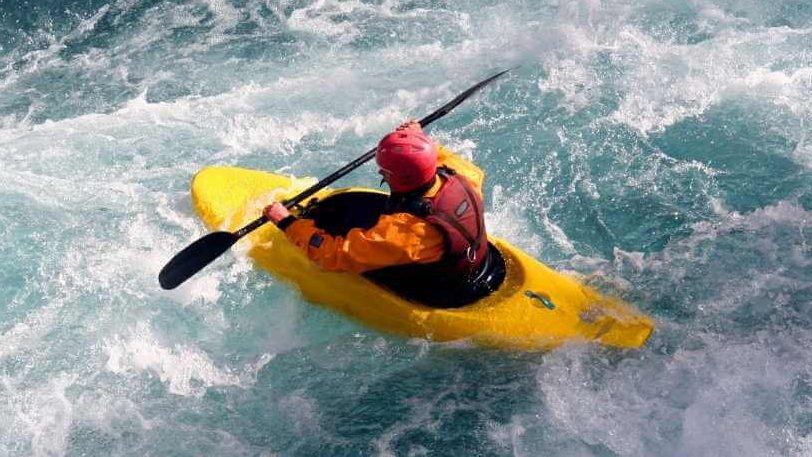
It’s worth distinguishing between how dangerous kayaking feels and how dangerous it actually is. Kayaking on a calm lake carries very little real risk. The perceived danger is often higher than reality. Whitewater kayaking on Class V rapids is genuinely dangerous, and the perceived risk matches that.
Problems arise when the two get misaligned. For example, when paddlers underestimate real danger because conditions seem familiar or benign. A river that’s easy to paddle most of the year can become extremely dangerous after heavy rain. Always assess actual conditions rather than relying on past experience.
Risks Of Kayaking And How To Avoid Them
1. Inappropriate Use Of PFD
A PFD (Personal Flotation Device) is the single most important piece of safety equipment for kayaking. Most kayaking fatalities involve paddlers who weren’t wearing one — either because they left it in the kayak or put it on incorrectly.
How to Stay Safe
Always wear your PFD on the water, not just carry it. It should fit snugly, but not so tight it restricts breathing, and not loose enough to slip over your head. Look for a Coast Guard approved model designed specifically for paddling.
Read: Best Life Jackets for Kayak Fishing
2. Dehydration
Kayaking is more physically demanding than it looks, and spending hours in the sun and wind accelerates fluid loss. Dehydration sets in quickly on the water, often before you feel thirsty.
How To Stay Safe
Drink water regularly throughout your paddle. Aim for around 500ml (about 17 fluid ounces) per hour in warm conditions. Symptoms of dehydration include fatigue, dizziness, and confusion. Carry more water than you think you’ll need and store it in an easily accessible spot on your kayak.
3. Thunderstorms And Lightning
Water is an excellent conductor of electricity, making open water one of the most dangerous places to be during a lightning storm. A storm can develop quickly, especially in summer months.
How To Stay Safe
Check the weather forecast before every paddle and keep an eye on the sky while you’re out. If you hear thunder or see lightning, get off the water immediately and seek shelter away from trees. Don’t wait to see if it passes.
Read: Kayaking in the Rain
4. Hypothermia And Cold Shock
Cold shock occurs the moment your body hits cold water — it triggers an involuntary gasp reflex, rapid breathing, and can cause panic or cardiac issues. Hypothermia develops more slowly as your core body temperature drops after prolonged exposure to cold water. Both are serious risks even on mild days if the water temperature is cold.
How To Stay Safe
Dress for the water temperature, not the air temperature. A wetsuit or drysuit provides essential insulation if you capsize in cold water. As a rule of thumb, wear a wetsuit when the combined air and water temperature is below 49°C (120°F).
5. Sweepers And Strainers
Strainers are obstacles — fallen trees, grates, or debris — that allow water to pass through but trap solid objects like kayaks and paddlers. The water pressure against a strainer can be powerful enough to pin you underwater. Sweepers are partially submerged trees extending from the bank into the current. Both are particularly dangerous on moving water where you have limited time to react.
How To Stay Safe
Scout river sections before paddling unfamiliar water. If you see a strainer ahead, get to the bank immediately — don’t attempt to paddle through or over it. Never paddle moving water alone.
6. Undercut Rocks
Undercut rocks are formations where water has eroded beneath the surface, creating a cavity that can trap a kayaker who gets swept underneath. They’re most common on whitewater rivers and are difficult to identify from the surface.
How To Stay Safe
Research any river before paddling it and consult local guides about known hazards. If paddling whitewater, wear a kayak helmet and always paddle with experienced companions who know the river.
7. Large Vessels And Other Boats
Kayaks sit low in the water and are difficult to see from the bridge of a large vessel, especially in fog or choppy conditions. Open water and large lakes shared with motorboats and jet skis carry a real collision risk.
How To Stay Safe
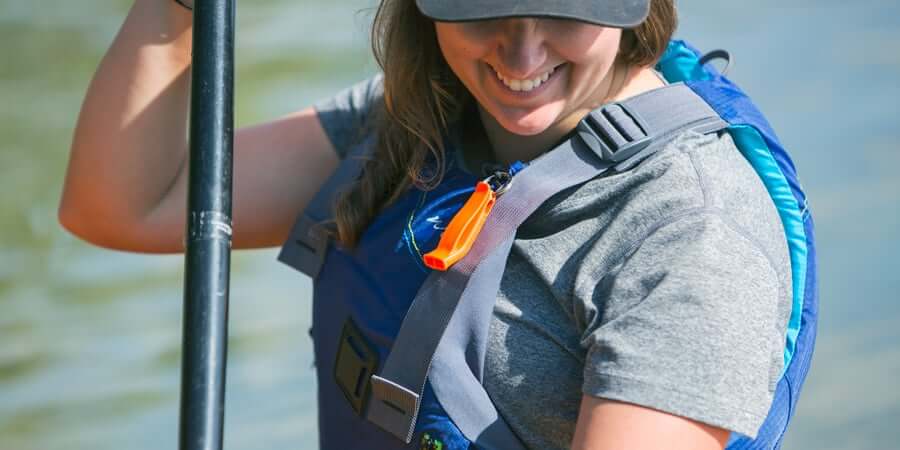
Wear bright colours and attach a light to your kayak when paddling in low visibility conditions. Stay well clear of shipping channels and main boating routes. A safety whistle clipped to your PFD is an inexpensive but effective way to signal your position if needed.
Final Thoughts
Kayaking is as safe or as dangerous as you make it. The risks are real but manageable — wear your PFD, check the weather, paddle within your ability, and never go out alone. Do those things consistently and kayaking is one of the safest and most enjoyable outdoor sports you can take up.
If you’re just starting out, consider a guided trip or beginner lesson before heading out independently. Building good habits early makes a significant difference to your safety and confidence on the water.
For more on staying safe on the water, read our guides on kayaking with kids and what size kayak do I need.