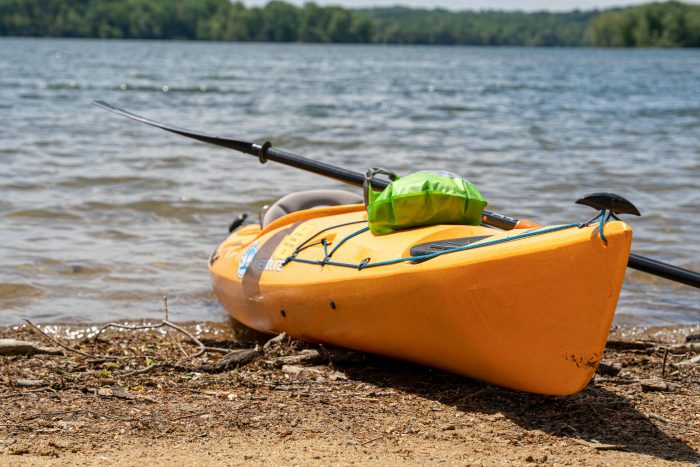
Taking a dog out on the water is one of the great joys of paddling. Both kayaks and stand-up paddle boards (SUPs) can work well with dogs, but they offer very different experiences for you and your pet.
Stand-up paddle boards are generally better for dogs than kayaks. The flat, open deck gives dogs more room to move, makes it easier for them to jump in and out of the water, and allows larger breeds that would not fit in a kayak cockpit to come along comfortably.
That said, kayaks have their own advantages depending on the size of your dog, your experience level, and the conditions you paddle in.
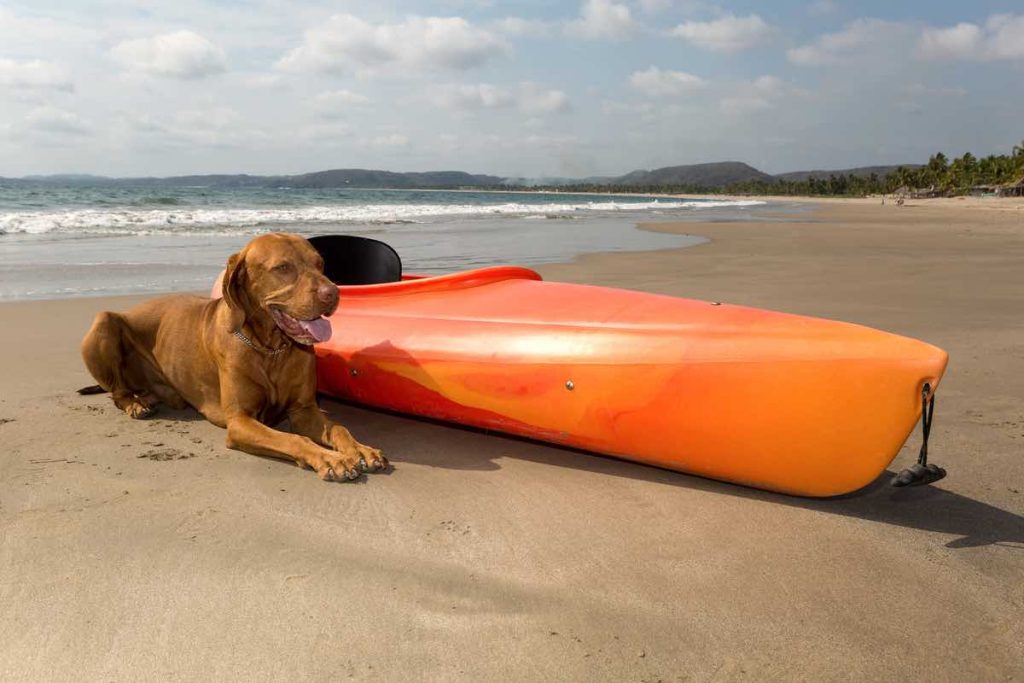
What Is the Difference Between a Paddle Board and a Kayak?
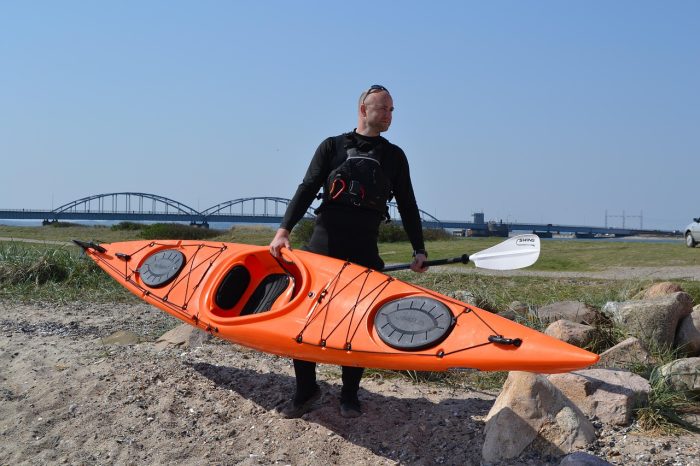
A kayak is a small enclosed vessel where you sit in or on the hull with a double-bladed paddle. Sit-inside kayaks have a cockpit where you and a small dog can sit together. Sit-on-top kayaks have an open deck that gives a dog more room but less security than a SUP.
A stand-up paddle board is a long flat board similar to a surfboard. You can sit, kneel, or stand on it. The open flat deck has significantly more usable surface area than a kayak, which is the main reason it works better for most dogs.
Why Paddle Boards Are Usually Better for Dogs
More Room for Larger Dogs
Kayak cockpits are designed for one person and offer limited space for a dog. Smaller breeds can fit comfortably in a sit-inside cockpit or on the deck of a sit-on-top, but larger dogs like labradors, golden retrievers, and German shepherds will struggle for space.
A SUP deck is wide and flat with room for a large dog to sit or lie down comfortably while you paddle. Some wide touring SUPs can comfortably accommodate two medium-sized dogs.
Dogs Can Get In and Out Easily
Dogs that love swimming will want to jump in and out of the water regularly. Getting back onto a kayak after a swim is difficult for most dogs due to the raised sides and narrow deck.
A flat paddle board sits much lower in the water and most dogs can pull themselves back up without help after a swim. This makes the experience significantly less stressful for water-loving dogs.
Better Bonding Experience
Paddle boarding with a dog requires the dog to learn to balance on a moving platform and stay calm while you paddle. Working through this together builds trust and communication between you and your dog. Most dogs adapt quickly and find the experience enjoyable once they are comfortable with the board.
Challenges of Paddle Boarding With a Dog
Paddle boards also present some challenges worth considering before your first outing with a dog.
A SUP is less stable than a kayak, particularly with a large or excitable dog on board. An anxious dog moving around suddenly can tip the board in calm conditions. Wet boards can also become slippery, which may cause smaller dogs to slide around or fall off in choppy water.
If you use an inflatable paddle board, be aware that untrimmed dog claws can puncture the surface. Trim your dog’s claws before paddling on an inflatable, or use a solid board instead.
Paddle boarding is also more physically demanding than kayaking. Fatigue can become a safety issue on longer outings, particularly in wind or current. Always stay within a comfortable distance from shore.
When Is a Kayak Better Than a Paddle Board for Dogs?
Kayaks suit certain dogs and paddlers better than SUPs.
Anxious or nervous dogs often feel more secure in a sit-on-top kayak where they can sit close to you on a stable, enclosed platform without the risk of sliding off. If your dog is easily startled or not confident around water, a stable recreational kayak may be a less stressful introduction than a paddle board.
If you are a beginner paddler who has not spent much time on either craft, a kayak is a safer starting point. Learning to balance on a paddle board while managing a dog at the same time is challenging for inexperienced paddlers.
Read: Best Inflatable Kayaks for Dogs
How To Keep Your Dog Safe on the Water
Fit your dog with a life jacket. A dog life jacket is essential safety equipment for any time your dog is on the water. Look for one with a handle on the back so you can lift your dog back onto the board or kayak if needed, and bright colours for visibility.
Practise on dry land first. Place the board or kayak on the ground and let your dog get comfortable sitting and moving on it before you take it onto the water. Reward calm behaviour with treats. Most dogs will transfer their confidence from land to water with a few sessions of practice.
Start in calm, shallow water. Choose a calm, protected location for your first sessions with your dog. Avoid tidal areas, boat traffic, and open water until both you and your dog are confident.
Keep sessions short at first. Dogs tire on the water just as people do. Keep early sessions to 20 or 30 minutes and build up gradually as your dog becomes more comfortable.
Trim your dog’s claws. Sharp claws can scratch a fibreglass kayak hull or puncture an inflatable board. Trim claws before paddling sessions.
Final Thoughts
For most dogs, a stand-up paddle board offers more space, more freedom, and a more enjoyable experience than a kayak. Larger breeds that would not fit comfortably in a kayak cockpit will have plenty of room on a wide SUP deck, and dogs that love swimming can get in and out of the water easily.
That said, a stable sit-on-top kayak is a perfectly good option for smaller dogs and nervous or anxious dogs that prefer the security of an enclosed space. The most important thing is to fit your dog with a life jacket, start in calm conditions, and let your dog set the pace when building confidence on the water.
For more on kayaking with dogs, read our guide to the best inflatable kayaks for dogs.